

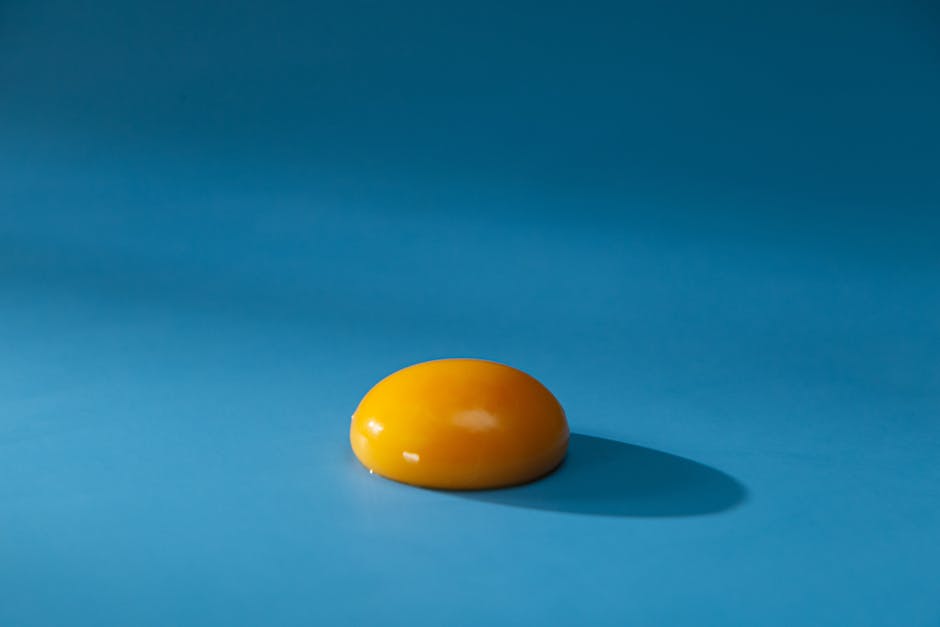
What an Amber Egg Yolk Really Tells You About Your Hen

An amber egg yolk is a sign of a well-fed, happy hen — and understanding why can change how you shop for eggs forever.
Quick answer: Amber or deep orange yolks get their color from pigments called xanthophylls and carotenoids, found in the plants, insects, and grasses that hens eat. The richer the hen's diet, the deeper the yolk color.
Here's a fast breakdown of what drives yolk color:
| Factor | Effect on Yolk Color |
|---|---|
| Pasture foraging (grass, bugs) | Deep amber to orange |
| Marigold petals or alfalfa in feed | Rich orange |
| Yellow corn-based diet | Pale to medium yellow |
| White cornmeal diet | Nearly colorless |
| Seasonal changes (spring vs. summer) | Darker in spring, softer in summer |
Color alone doesn't guarantee better nutrition — but it does give you a window into how a hen lived and what she ate. That's worth knowing.
I'm Gabriel Ciupek, President of Midwest Amber, Inc., where I've spent years working closely with the warm, golden tones of genuine Baltic amber — a stone whose signature amber egg yolk color mirrors the rich hues nature produces in a pasture-raised hen's egg. That deep connection between nature's pigments and authentic beauty is exactly what this guide explores.
The Science Behind the Amber Egg Yolk
When we crack open an egg and see a vibrant, glowing center, we are looking at the direct result of a hen's biological efficiency. The amber egg yolk isn't just a random occurrence; it is a complex delivery system of nutrients and pigments.
The primary drivers of this coloration are xanthophylls, a sub-class of carotenoids. These are natural plant pigments that chickens consume through their diet. Because chickens are omnivores—not vegetarians, despite what some marketing might suggest—they collect these pigments from a variety of sources, including dark leafy greens, flowers, and even the insects they find while foraging.
Once a hen eats these carotenoid-rich foods, the pigments are absorbed and deposited into the developing yolk. This process is fascinating because the yolk is where nearly all the fat and flavor of the egg reside. Interestingly, research suggests that only the lipids or fats in a hen's diet can influence the actual taste of the egg, whereas the pigments primarily influence the visual spectrum. To learn more about how these factors interact, you can explore whether Does a Darker Egg Yolk Equal Better Flavor?
Carotenoids and the Amber Egg Yolk Spectrum
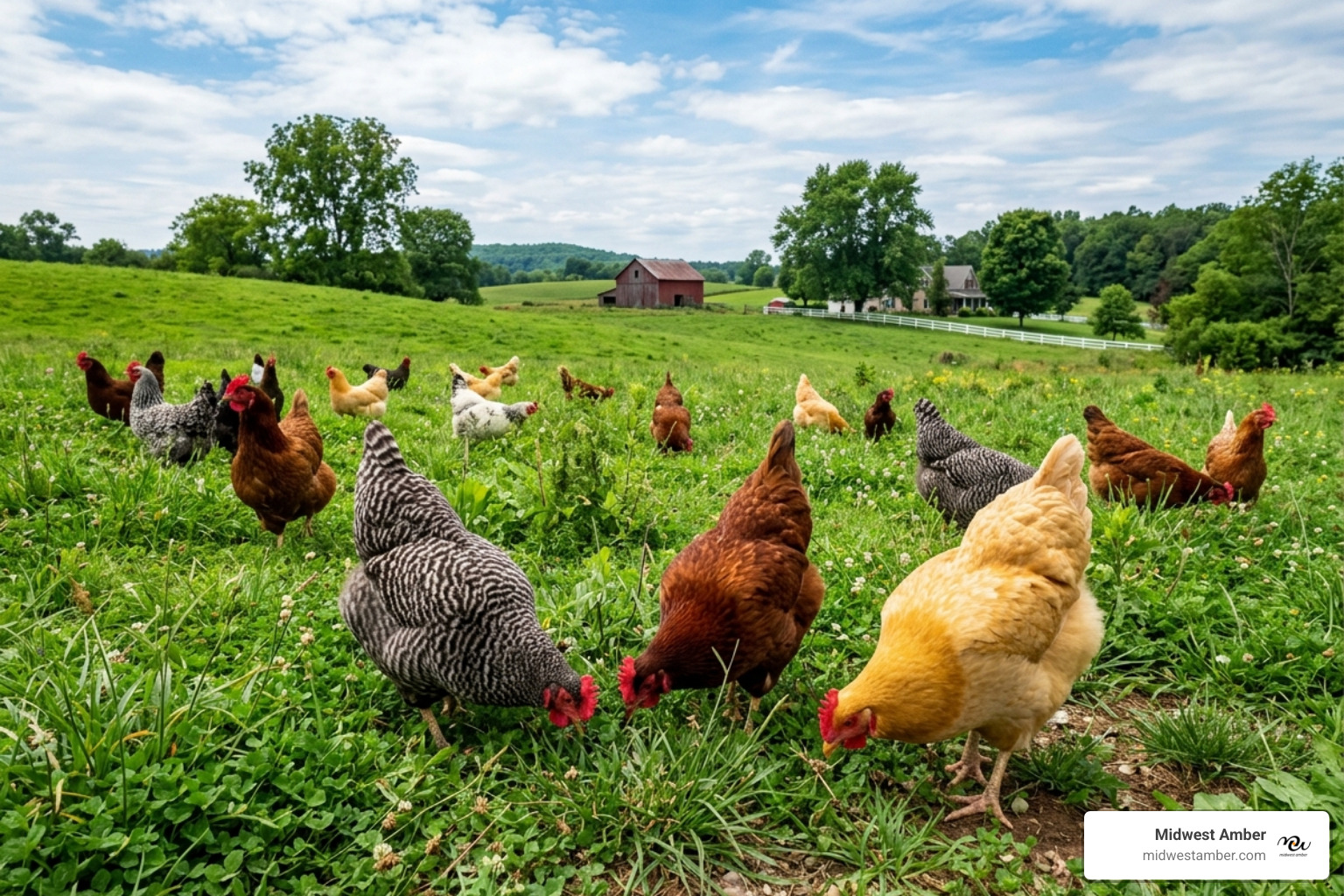
In the poultry industry, yolk color is not a matter of guesswork. We use a standardized tool called the DSM Yolk Color Fan. This scale ranges from 1 (a very pale, almost white yellow) to 16 (a deep, reddish-orange).
Most grocery store eggs fall somewhere between a 4 and a 7. However, those sought-after "heritage" or pasture-raised eggs often reach levels of 11 to 15 on the scale. This deep orange hue is achieved through consistent lipid deposition of specific carotenoids like lutein and zeaxanthin.
- Lutein: Found in abundance in dark leafy greens and marigolds.
- Zeaxanthin: Found in orange peppers and corn.
When these pigments are present in high concentrations, the yolk transforms from a simple yellow to a rich, sunset-like amber. This visual depth is often what consumers associate with "farm-fresh" quality. You can see this spectrum in action when looking at how Dark Yolk Heritage Eggs Explained by leading producers.
Why Breed and Genetics Influence the Amber Egg Yolk
While diet is the most significant factor, genetics play a supporting role. Certain "heritage breeds"—the older, traditional breeds of chickens—are often noted for their ability to produce more vibrant yolks.
Breeds that lay unique shells, such as Heritage Brown or Heritage Blue, are often raised in environments that prioritize high-quality feed and outdoor access. Some researchers believe that these breeds may have a genetic predisposition for more efficient pigment absorption, though this is often intertwined with the fact that these birds are rarely kept in factory-farm settings. In these breeds, the amber egg yolk is a hallmark of their lineage and the premium care they receive.
How Diet and Foraging Create Deep Orange Hues
If you want to understand the recipe for a perfect yolk, you have to look at the hen's "menu." In the Chicago suburbs, from Arlington Heights to Lake Zurich, backyard chicken enthusiasts often experiment with different foods to see how they impact the color of the breakfast table.
| Ingredient | Pigment Provided | Resulting Yolk Hue |
|---|---|---|
| Marigold Petals | Lutein | Bright, Golden Orange |
| Alfalfa | Xanthophylls | Deep, Rich Yellow |
| Red Peppers | Capsanthin | Flame Red to Dark Amber |
| Yellow Corn | Zeaxanthin | Standard Golden Yellow |
| Insects/Grubs | Proteins & Lipids | Enhanced Vibrancy & Texture |
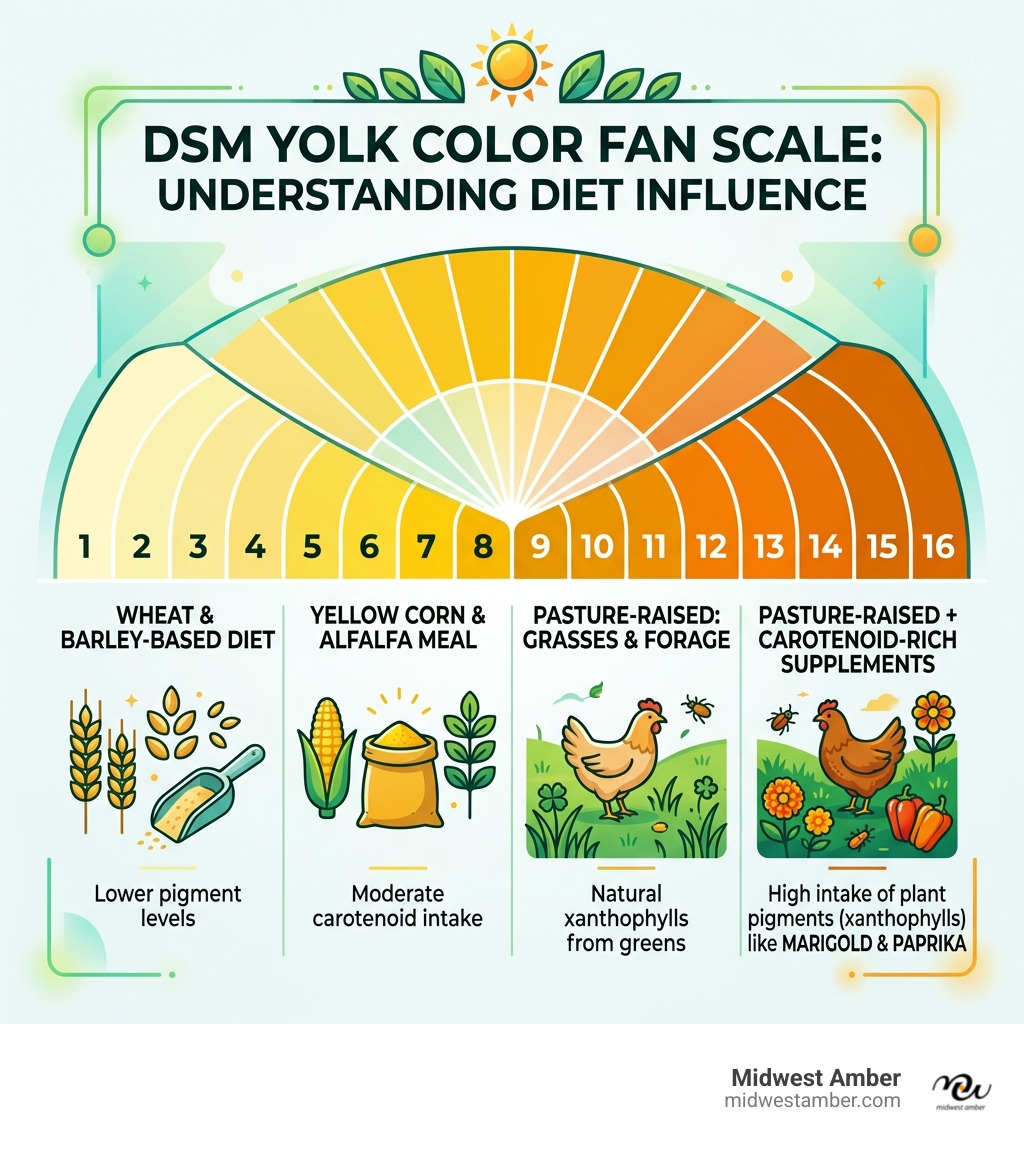
Hens that have the freedom to roam outdoors—what we call "pasture-raised"—supplement their grain with a buffet of nature's best colorants. They eat grass, weeds, and clover, all of which are packed with xanthophylls. They also hunt for bugs, which provide the healthy fats necessary for the yolk to absorb and hold those pigments effectively.
For those who don't have a massive pasture, some specialized feeds help bridge the gap. Products like YolkProud® for Cooking Creations use natural extracts like paprika and marigold to ensure that even hens in smaller runs can produce that "shining crown jewel" of a yolk.
The Role of Pasture-Raised Environments
Environment is everything. A hen living her "best bird life" in the sunshine is naturally going to produce a different egg than one in a caged environment. Sunshine exposure helps hens produce Vitamin D, which is then passed into the yolk.
There is also a significant seasonal variation in yolk color. In the spring, when the grass is thriving and lush, yolks tend to reach their darkest amber peaks. As we move into the hot Illinois summers, the grass may dry out, and heat stress can cause hens to eat less, leading to a slightly softer yellow yolk. This is a natural cycle and a sign that you are eating food that is connected to the seasons.
Natural vs. Artificial Coloration
As consumers began to demand darker yolks, the industry took notice. It is important to distinguish between natural coloration and artificial manipulation.
In the United States, artificial dyes are not permitted in hen feed. However, some commercial operations use highly concentrated synthetic additives like Rovimix to "hit" a specific number on the DSM scale. While these are safe, they don't offer the same holistic benefits as a diet filled with varied, natural foraged items.
We believe in transparency. A truly natural amber egg yolk comes from a diverse diet, not a chemical formula. When you buy eggs from a local farmer in places like Glenview or Barrington, you are usually getting the result of real grass and sunshine.
Nutrition vs. Aesthetics: Is Darker Always Better?
There is a common debate: Does a darker yolk mean a healthier egg? The answer is a nuanced "yes."
While color alone (which can be manipulated) isn't a 100% guarantee of nutrition, a naturally dark yolk from a pasture-raised hen is a different story. Studies from Pennsylvania State University and Mother Earth News have shown that eggs from hens with pasture access are nutritionally superior to conventional eggs.
Pastured eggs typically contain:
- 2x more Vitamin E
- 2x more Omega-3 fatty acids
- 3x more Vitamin A
- 7x more Beta-carotene
Nearly half of the protein in an egg is found in the yolk, along with almost all the fat-soluble vitamins (A, D, E, and K). When a yolk is a deep amber, it is often an indicator that the hen had a diet high in these essential nutrients. For a deeper dive into the data, see the Scientific research on pastured egg nutrition.
Flavor Profiles of Vibrant Yolks
If you ask any chef from a Michelin-starred restaurant in Chicago, they will tell you that the yolk matters. It isn't just about the look; it's about the unctuousness.
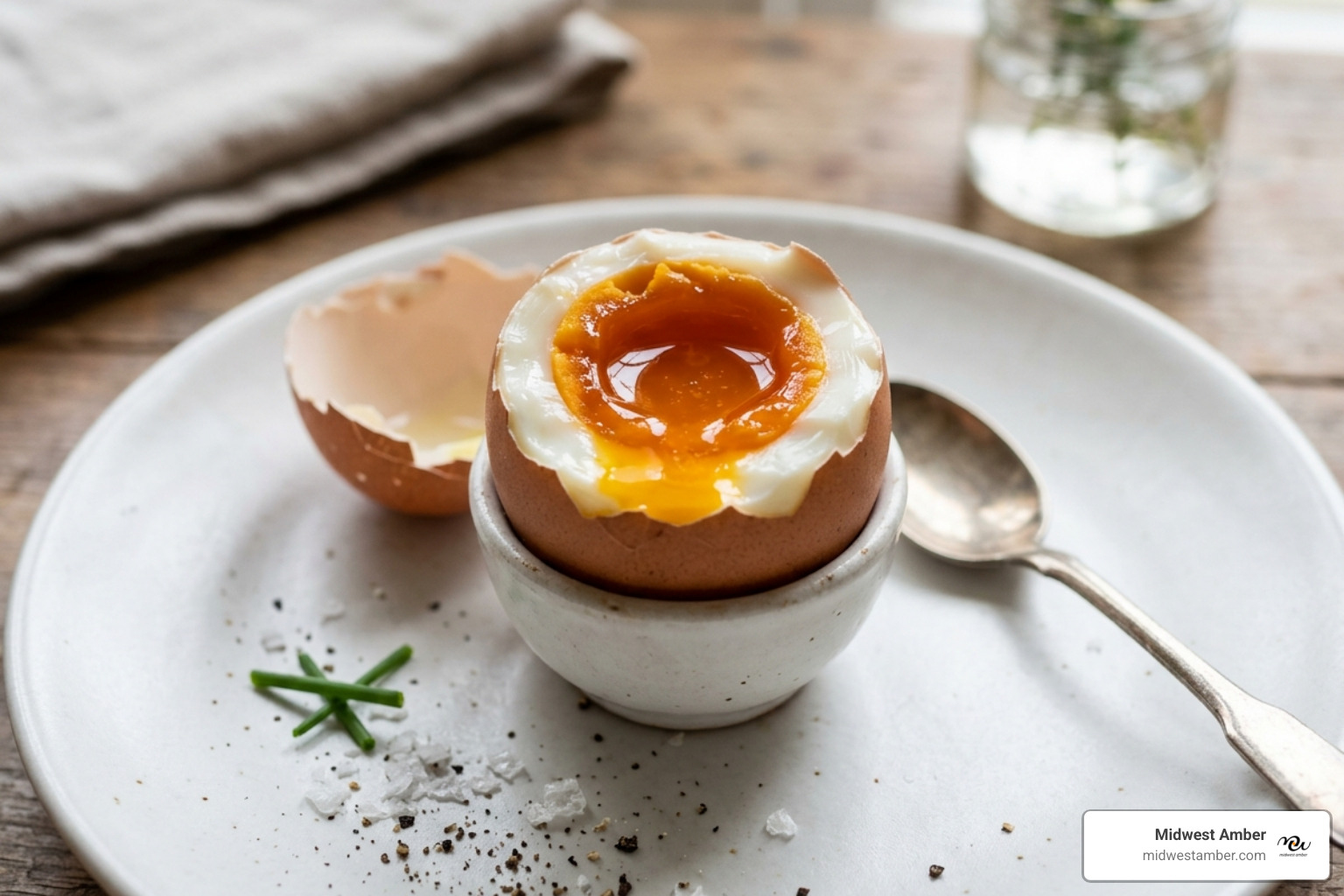
A deep amber egg yolk often has a thicker, creamier texture than its pale counterparts. This "fattier feel" makes for better emulsions in sauces like Hollandaise and a richer mouthfeel in a simple soft-boiled egg. In blind taste tests, while some people struggle to tell the difference between various store-bought eggs, local and pasture-raised eggs consistently win on texture and "clean" flavor.
Seasonal Factors and Hen Welfare
We must also consider the welfare of the bird. A hen that is stressed—whether by extreme heat in July or cramped living conditions—will not produce the same quality of egg. Environmental enrichment, like giving hens space to dust-bathe and forage, directly impacts the quality of the yolk.
As hens age, their ability to transfer pigments into the yolk can also change. Younger hens often produce very vibrant yolks, while older hens might produce slightly larger eggs with a more diluted color. Understanding these factors helps us appreciate the egg as a living product of a biological cycle.
From Farm to Jewelry: The Beauty of Amber Tones
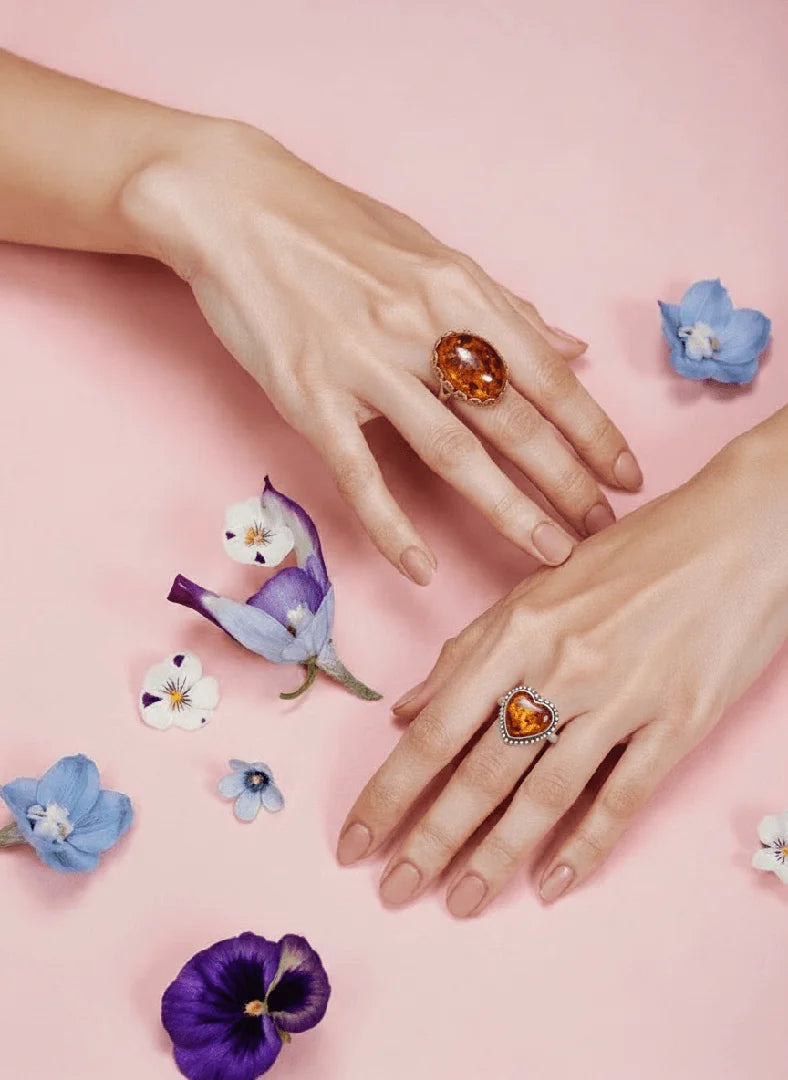
At Midwest Amber, we find a poetic connection between the culinary world and gemstones. The term "egg yolk" is actually a highly prized descriptor in Baltic Amber.
Just as a hen's diet creates a specific hue, the natural inclusions and ancient tree resins from 30 million years ago created what we call "Egg Yolk Amber" or "Butterscotch Amber." This variety of amber is opaque and features a rich, creamy yellow-to-orange color that is incredibly rare and sought after.
Our handcrafted jewelry, sourced ethically from Poland and Lithuania, celebrates these deep, "antique" yellow tones. Whether it is a pendant that glows with the same warmth as a farm-fresh yolk or a necklace that carries the weight of history, the aesthetic appeal of this color is universal.
If you are looking for a piece that captures this natural vibrancy, you might Discover Your Ideal Egg Yolk Amber Pendant or Find Your Perfect Egg Yolk Amber Necklace within our collection. Much like the eggs we've discussed, our amber is 100% natural and authentic—never pressed or synthetic.
Frequently Asked Questions about Egg Color
Are orange egg yolks more nutritious than yellow ones?
Generally, yes, if the color is achieved naturally. Naturally orange yolks come from hens eating a diet rich in carotenoids and healthy fats, which typically correlates with higher levels of vitamins A, D, and E, as well as Omega-3 fatty acids.
What causes a yolk to turn blood-red?
A deep reddish-orange or "blood-red" yolk is usually the result of specific high-pigment foods. For example, if a hen eats a large amount of red peppers or specific types of berries, the capsanthin pigment can push the yolk color to the very end of the DSM scale.
Why do store-bought eggs often have pale yolks?
Store-bought eggs often come from hens raised in large-scale facilities where they are fed a standardized diet of yellow corn and soy. These hens lack access to the diverse "salad bar" of a pasture, resulting in lower pigment intake and paler yolks. Additionally, eggs in grocery stores can be several weeks old by the time they reach the shelf, which can occasionally affect the vibrancy of the yolk.
Conclusion
Whether you are cracking an egg in your kitchen in Schaumburg or admiring a piece of genuine Baltic amber in our Glenview gallery, the amber egg yolk color is a symbol of nature's richness. It represents a life lived in the sun, a diet full of variety, and a commitment to quality that you can see with your own eyes.
At Midwest Amber, we take that same commitment to quality and apply it to every piece of jewelry we offer. Our 100% natural, handcrafted pieces are a testament to the beauty of the natural world—a beauty that has been 30 million years in the making. We invite you to explore the heritage of our Polish and Lithuanian artisans and find a piece of history that resonates with you. For more insights into authentic gemstones, you can find more info about amber heritage and jewelry on our blog.


Leave a comment
This site is protected by hCaptcha and the hCaptcha Privacy Policy and Terms of Service apply.