

Amber Jewelry Expertise
Most people buying amber jewelry for the first time feel the same way: too many options, too many sellers making the same claims, and no one they can actually ask. You want genuine Baltic amber. You want it set properly. You want to know you're not overpaying for plastic beads in a silver-plated setting. And if it's a gift, you really don't want to get it wrong.
That's exactly what Midwest Amber's expertise and consultation service is for. We've been sourcing genuine Baltic amber directly from Poland and Lithuania for over 20 years. We know this material the way most jewelers know diamonds — its colors, its grades, its origins, its quirks, and its value. And we're available to help you before you spend a dollar.
This page covers everything: what to look for before you buy, why Baltic amber is in a category of its own, how to choose the right piece for any person or occasion, how to care for what you own, and what makes amber worth investing in. Shop online at midwestamber.com or reach out directly — we ship to every U.S. state in 2–4 business days.
What Every Buyer Should Know Before Purchasing Amber Jewelry
The amber market has a problem that most sellers won't talk about openly. A significant portion of what's sold as "Baltic amber" online is not Baltic amber at all. It's copal — young tree resin that looks identical to amber but is only thousands of years old, not millions. It's plastic, cast into amber-like shapes and sold with confidence. It's pressed amber — ground-up amber fragments fused under heat, technically amber but stripped of its natural character and value. And it's sold at every price point, from bargain listings to mid-range boutiques.
Here's what separates an informed buyer from one who gets burned:
Check Our CollectionsNatural Baltic amber is fossilized tree resin, 40 to 60 million years old, sourced from deposits around the Baltic Sea — primarily in Poland, Lithuania, Latvia, and Russia. Nothing else is the same thing, regardless of how it's labeled.
"Amber" from other parts of the world is not Baltic amber. Dominican amber, Mexican amber, and Burmese amber are real fossil resins, but they are different materials with different ages, different properties, and different values. If Baltic amber is what you want — and for jewelry and wellness use, it usually is — confirm that's exactly what you're getting.
The salt water float test: mix 1 part salt to 2 parts water, drop the amber in, and real Baltic amber floats while plastic and glass sink. The warmth test: genuine amber warms quickly in your hand and feels light. The weight test: real amber is surprisingly lightweight for its size — heavier than expected almost always means something other than amber.
There is no governing body regulating amber authenticity certificates. Anyone can print one. A certificate from an unknown issuer is not proof. Track record, direct sourcing, and verifiable customer reviews are proof.
A mass-produced factory setting shaped to fit any amber-like stone is not the same as a sterling silver setting shaped by hand around a specific natural amber stone. The difference is visible when you hold the piece. Our artisan partners in Poland and Lithuania do the latter — every time.
Our Collections of Amber Stones
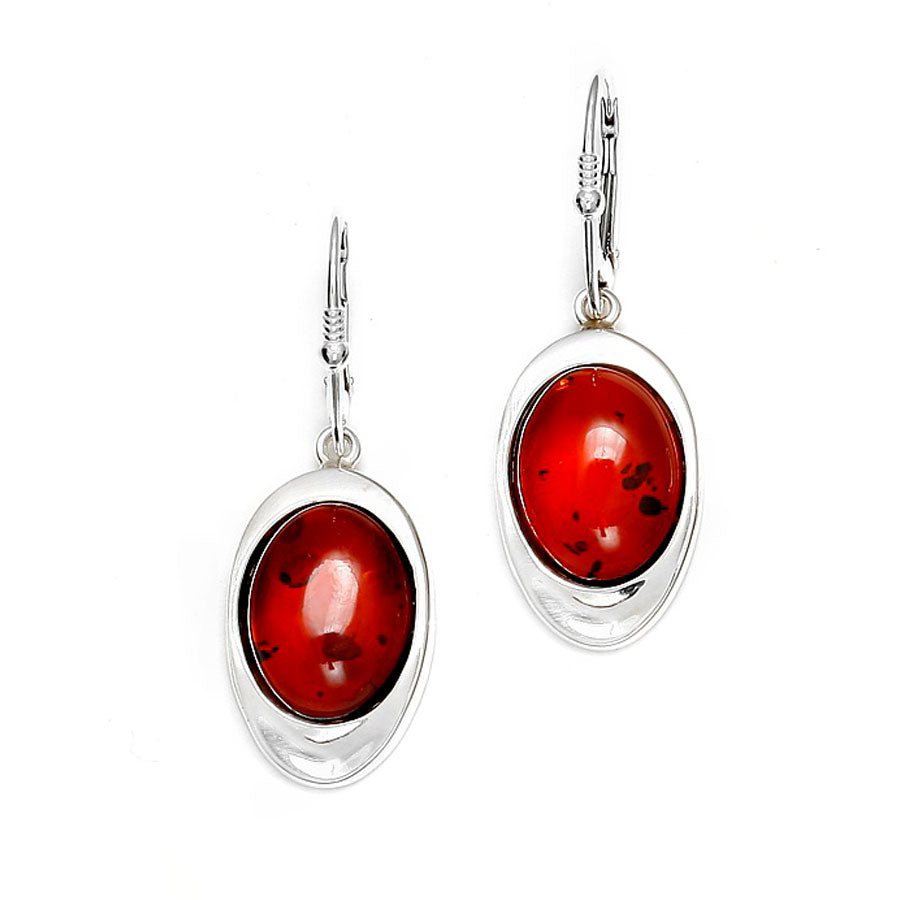
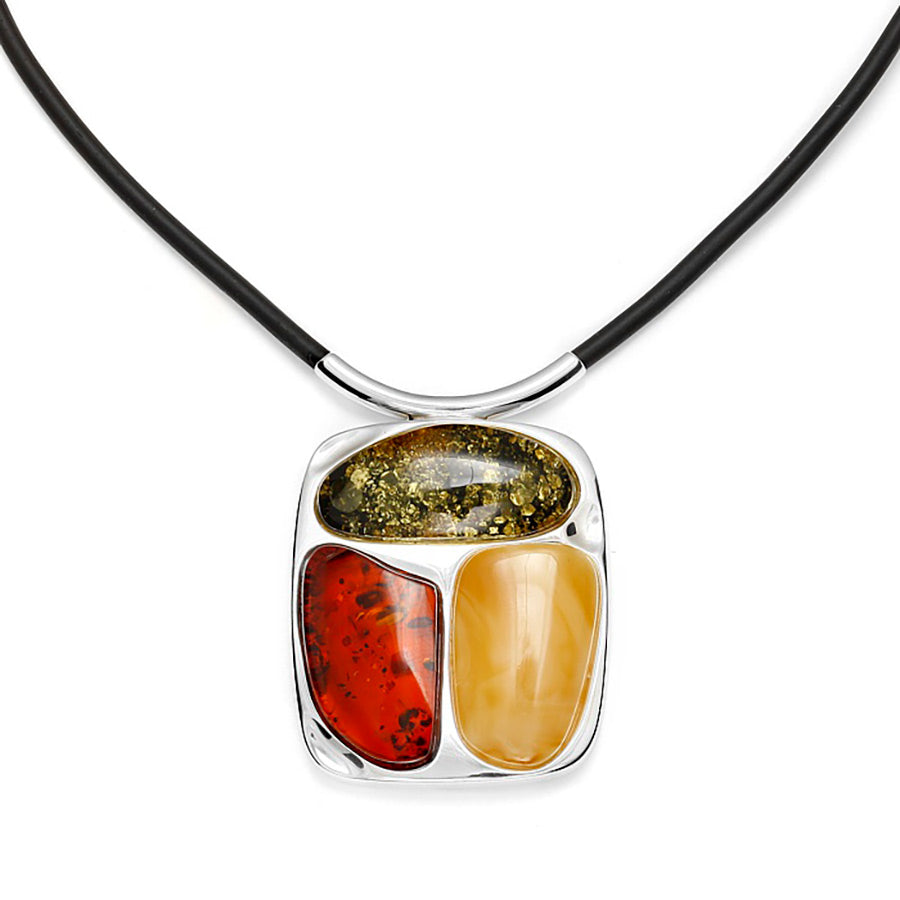
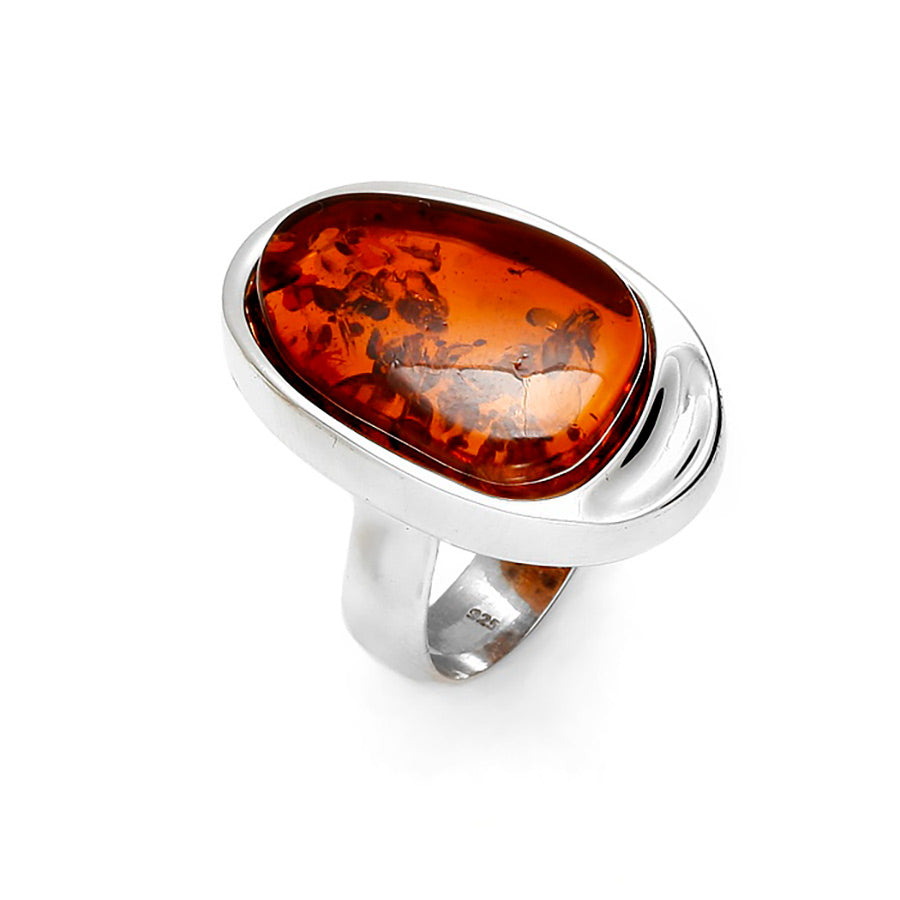
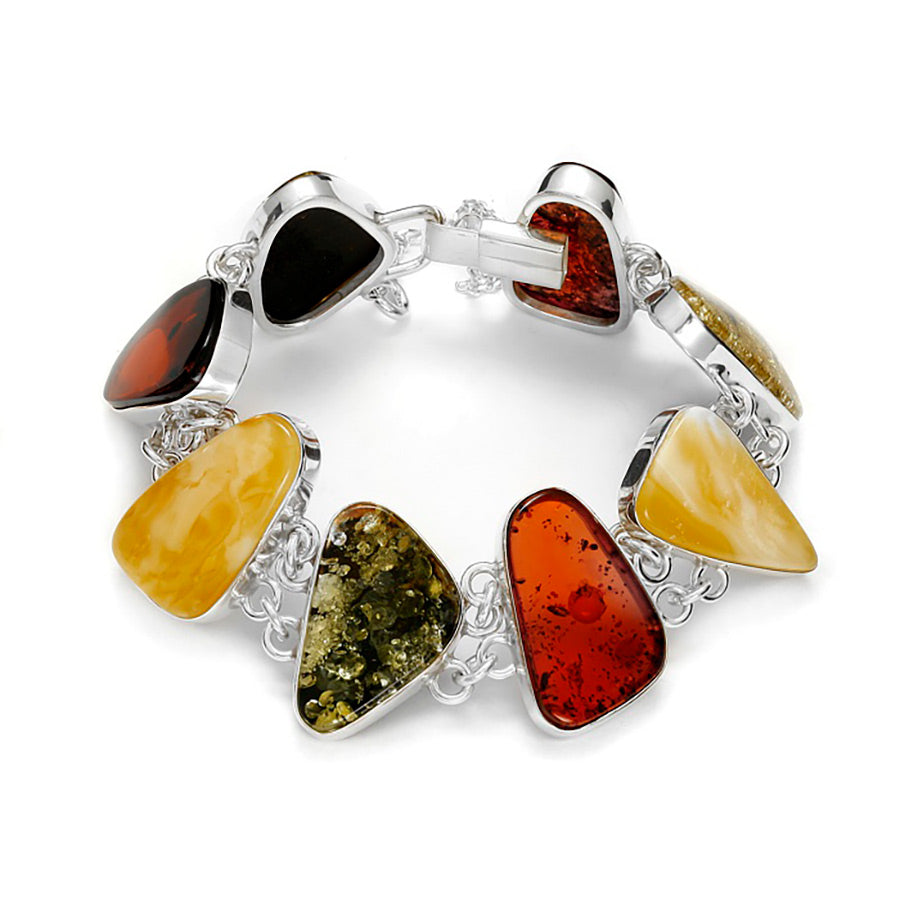
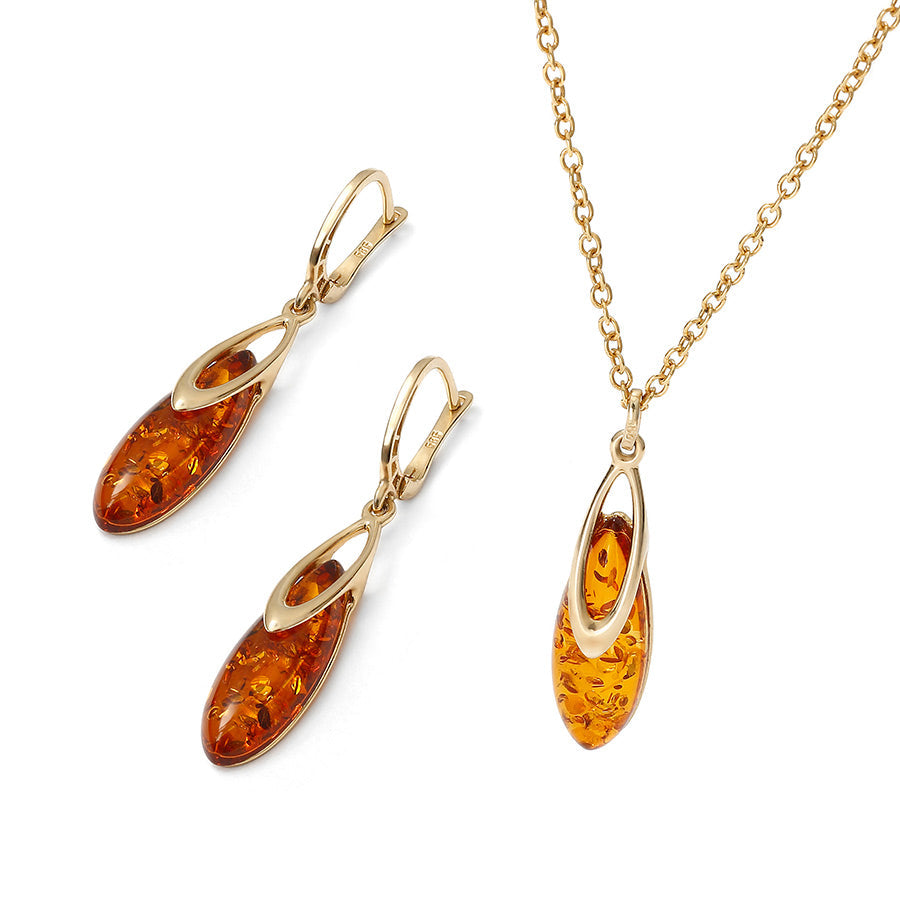
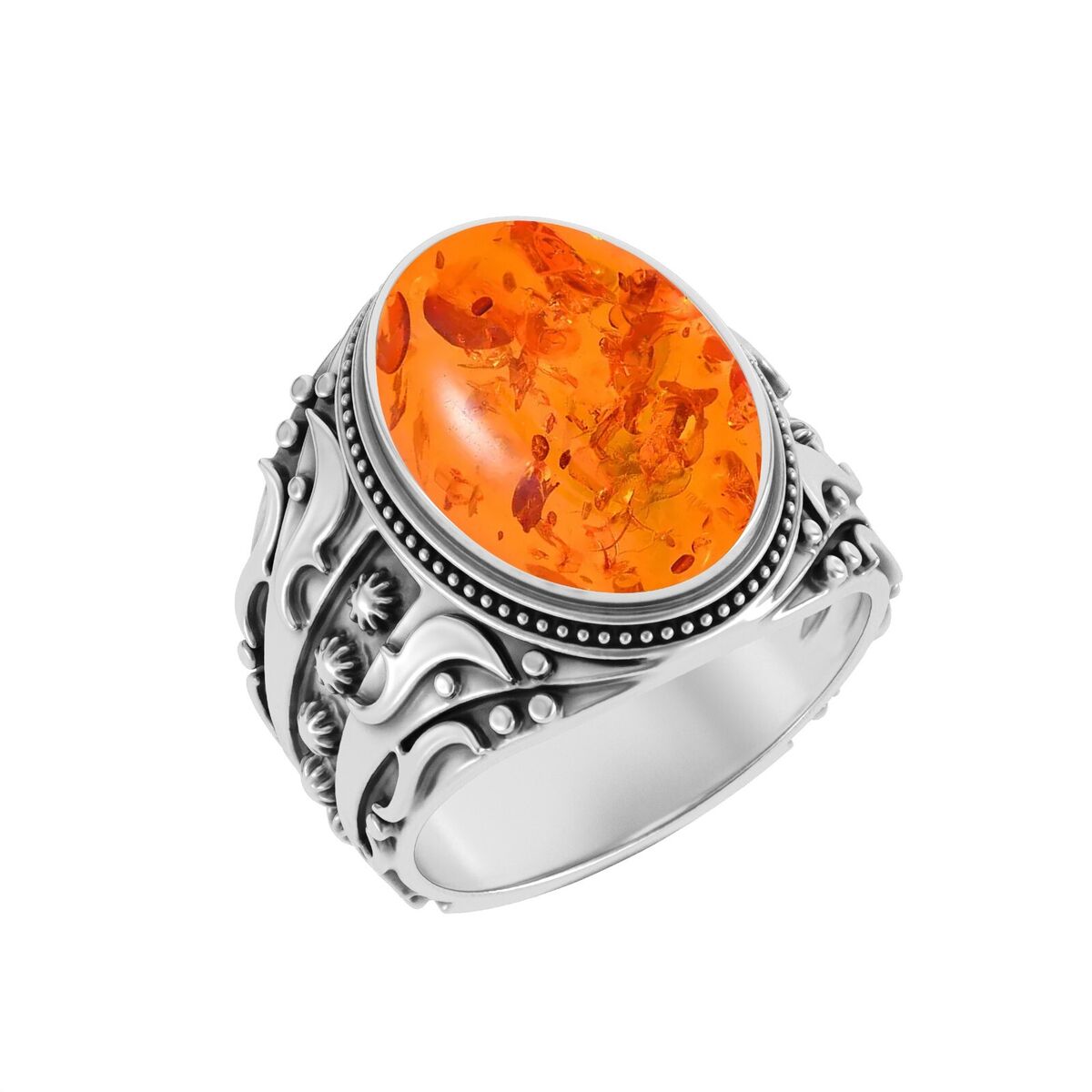
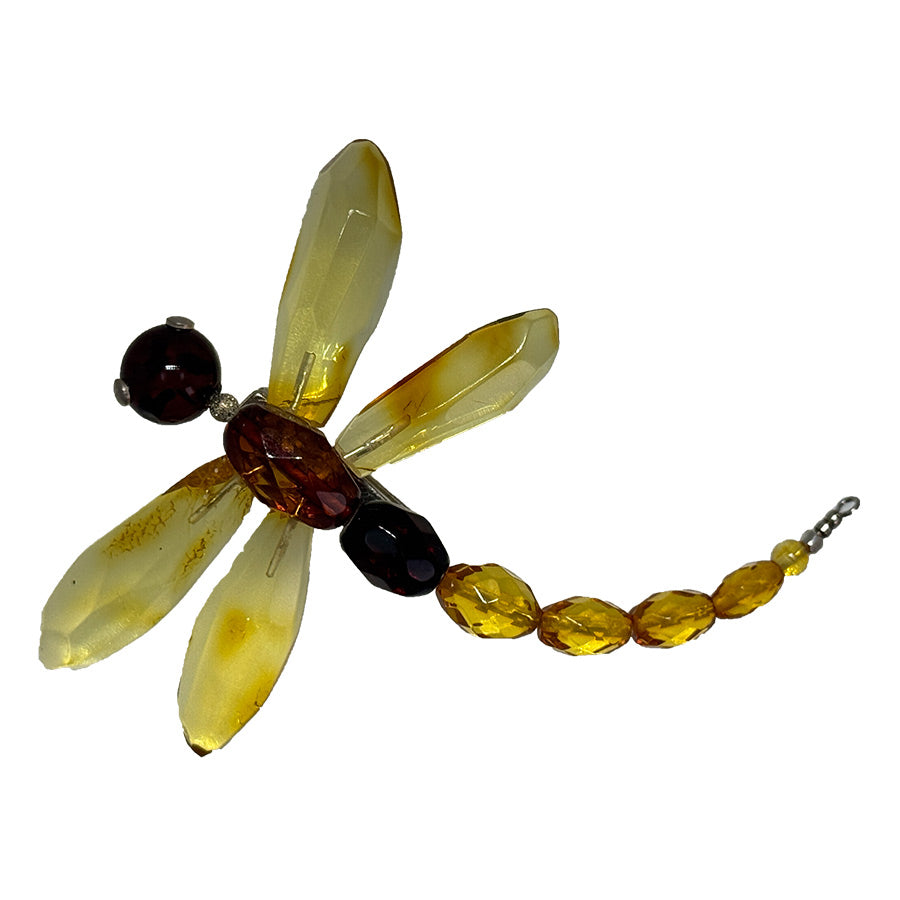
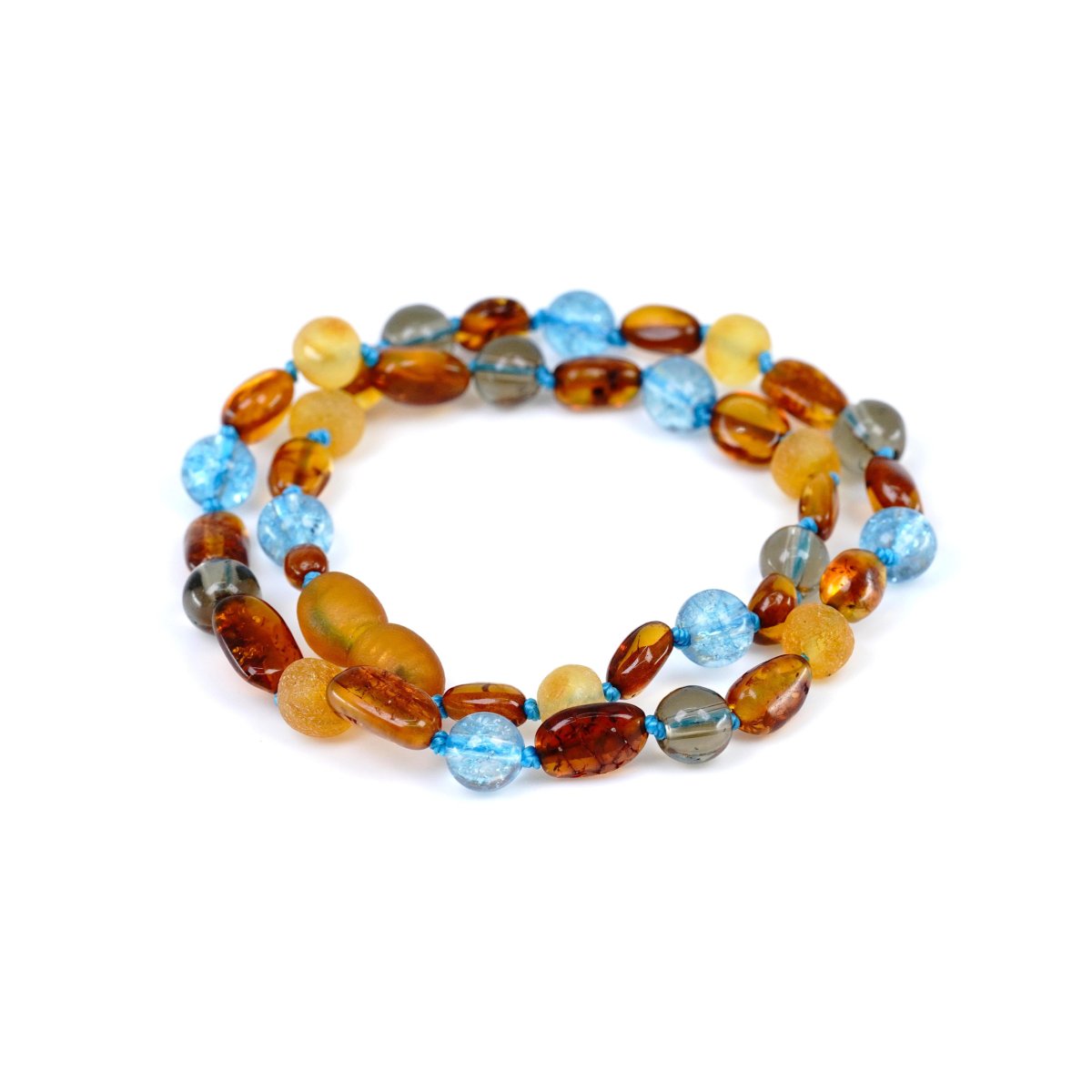
Each design is handcrafted by skilled artisans in Poland and Lithuania to highlight the natural warmth, color, and texture of genuine Baltic amber stone.
Why Baltic Amber Stands Apart from Every Other Amber in the World
When people in the jewelry industry say "amber," they almost always mean Baltic amber. That's not bias — it's the result of age, chemistry, color, and craft tradition that no other amber deposit can match.
Genuine Baltic amber is 40 to 60 million years old. That's older than most other significant amber deposits worldwide. The forests that produced it no longer exist. The resin hardened, was buried, was compressed, and eventually made its way to the surface of the Baltic Sea. Each piece carries that entire timeline.
This is the compound that sets Baltic amber apart chemically from every other amber type. Baltic amber contains up to 8% succinic acid by weight — a natural substance that wellness users specifically seek out. Copal contains none. Plastic contains none. Other amber types contain trace amounts at best. If you're purchasing amber for natural wellness benefits — arthritis relief, inflammation reduction, calming effects — Baltic amber is the only material with the chemistry to support those experiences.
Honey, cognac, butterscotch, cherry, lemon, green, white, and everything in between — Baltic amber produces a natural color spectrum that no other deposit comes close to. Each color forms through different conditions during fossilization. None of them are dyed or treated in genuine natural pieces.
Poland and Lithuania have produced amber artisans for generations. The skills, techniques, and design sensibilities passed down through those workshops are embedded in every piece Midwest Amber carries. When you wear a piece from our collection, you're wearing centuries of craft knowledge.
Midwest Amber's founder, Gabriel Ciupek, has Polish roots and built direct relationships with leading artisan workshops in the Baltic region. Not a distributor. Not a wholesale catalog. Actual partnerships with the people who make the jewelry. That's how we know what we're selling — because we've been there.
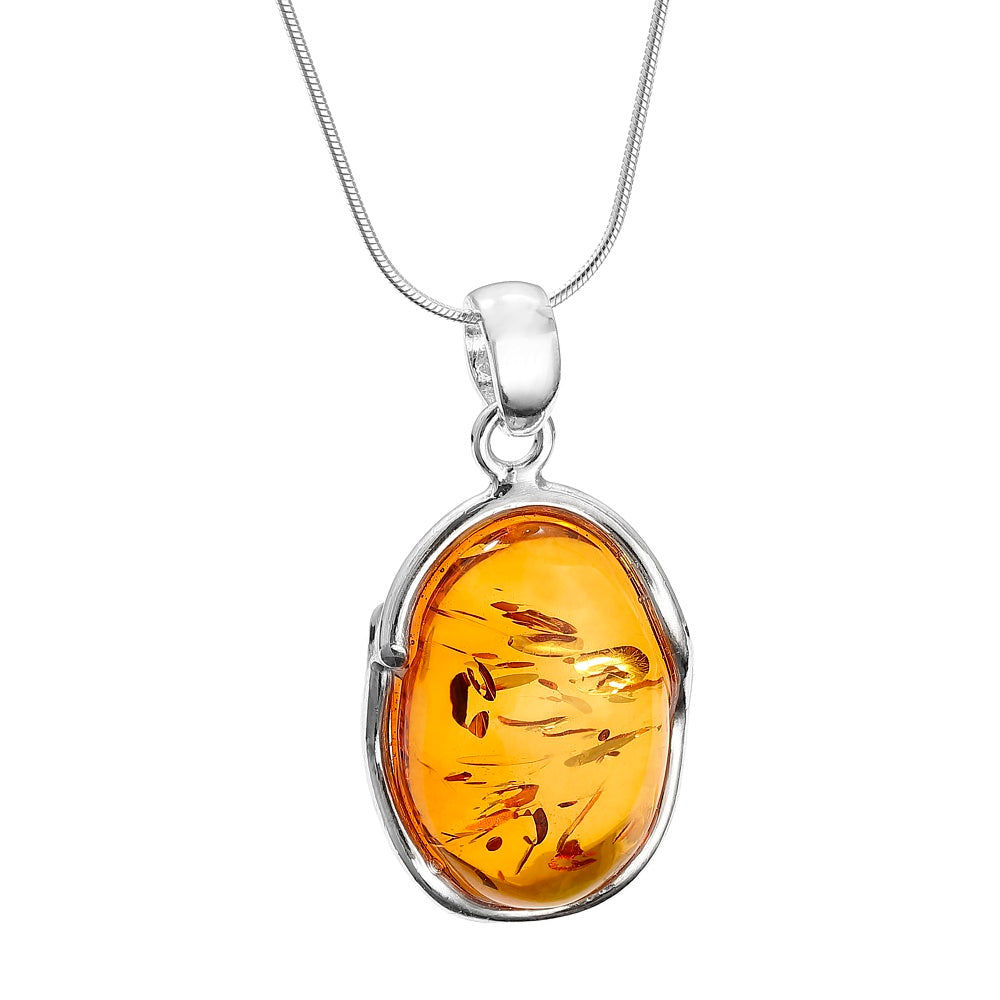
Honey Amber
Honey amber is the classic. Warm, golden, universally flattering. Works with casual clothes and formal outfits equally well. If you're buying for someone and you have no idea where to start, honey amber is almost always the right answer.
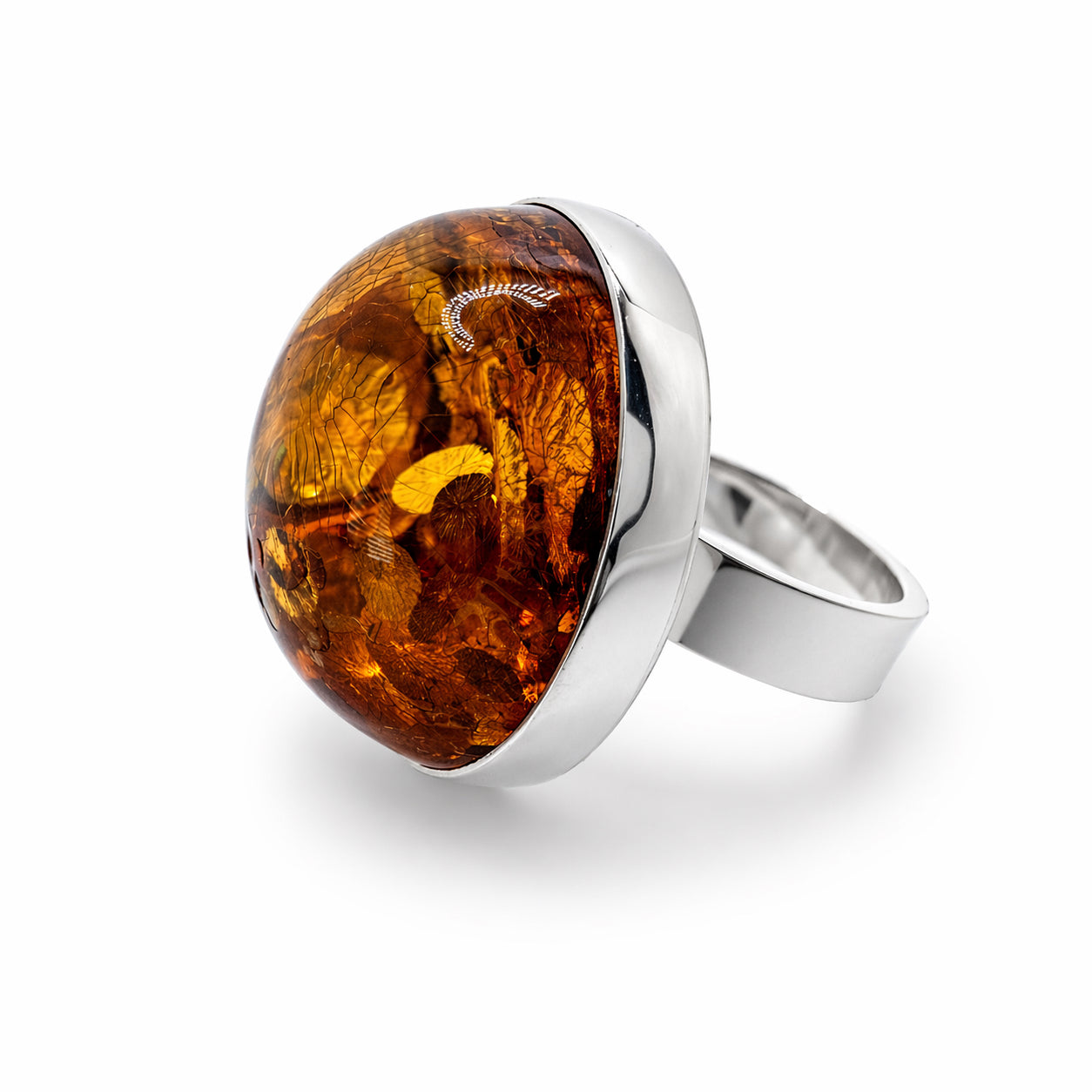
Cognac Amber
Cognac amber runs deeper — rich amber-brown with real weight and presence. Suits someone who appreciates understated elegance and natural materials. A strong choice for men's jewelry as well as women's.
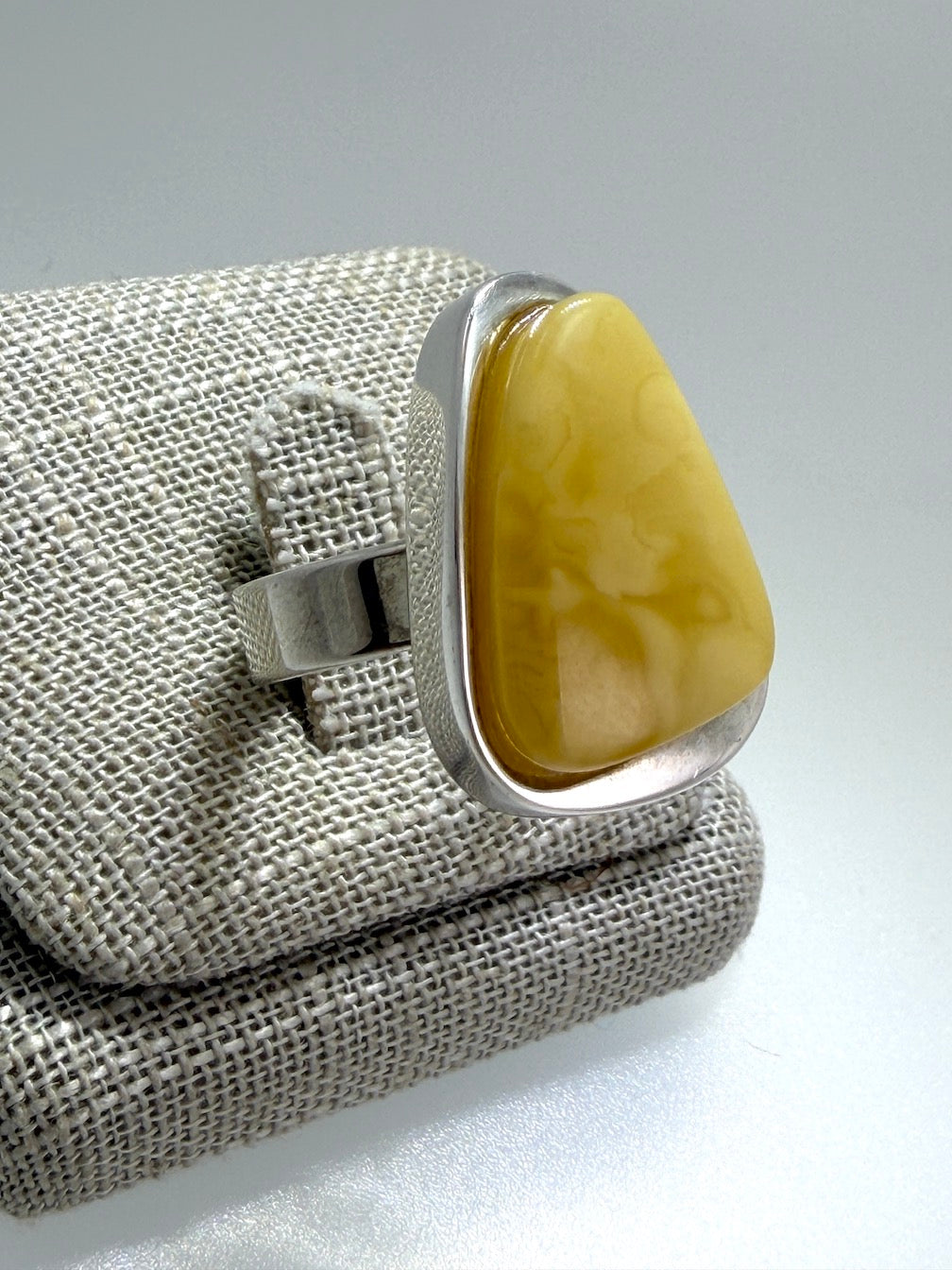
Butterscotch Amber
Butterscotch amber is creamy and opaque with a soft, milky glow. It catches light differently than transparent amber and draws attention in a quiet, distinctive way.
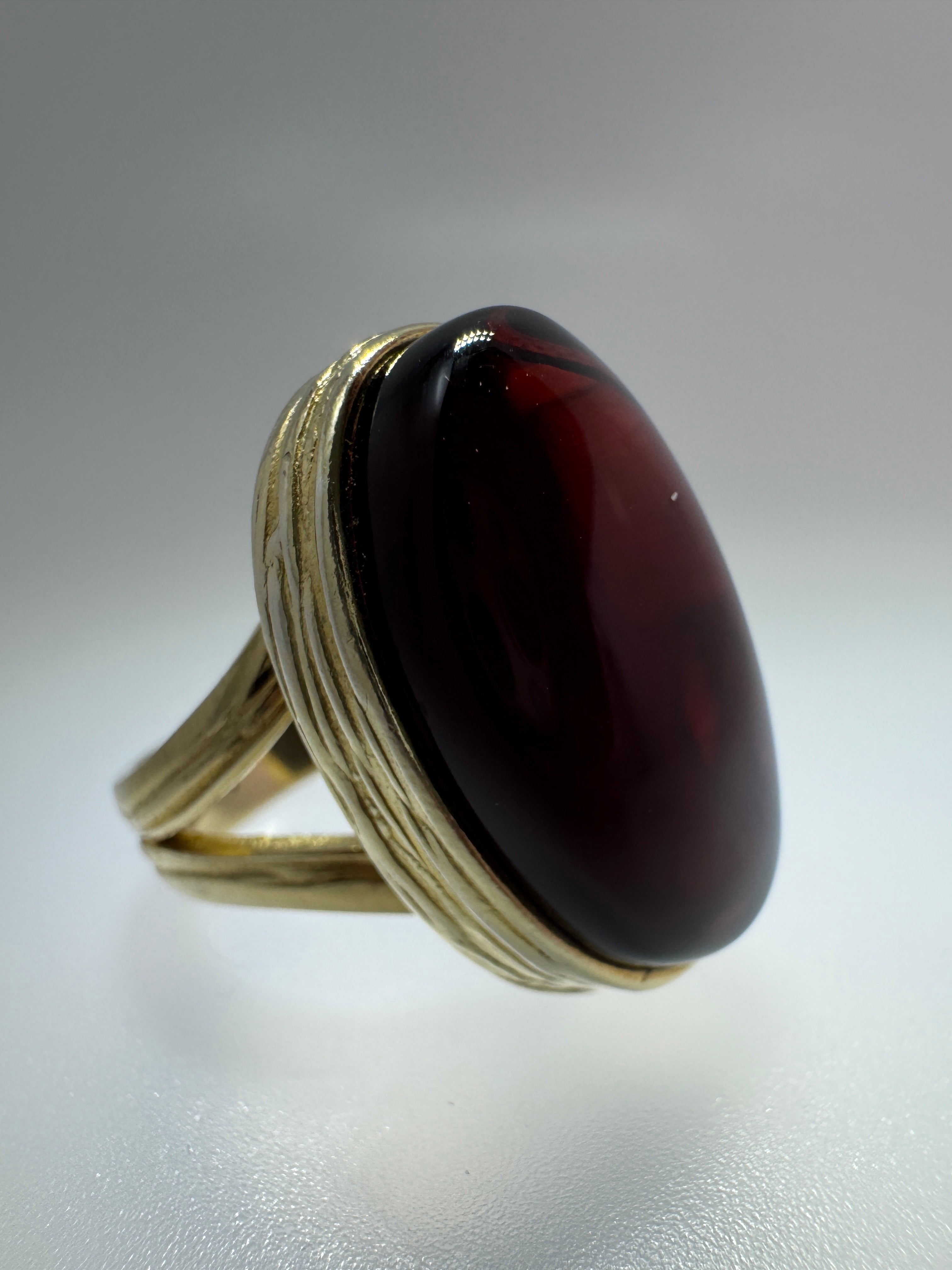
Cherry Amber
Cherry amber is bold. Deep red-orange tones that make a statement. Best for someone who wears color confidently and wants jewelry that gets noticed.
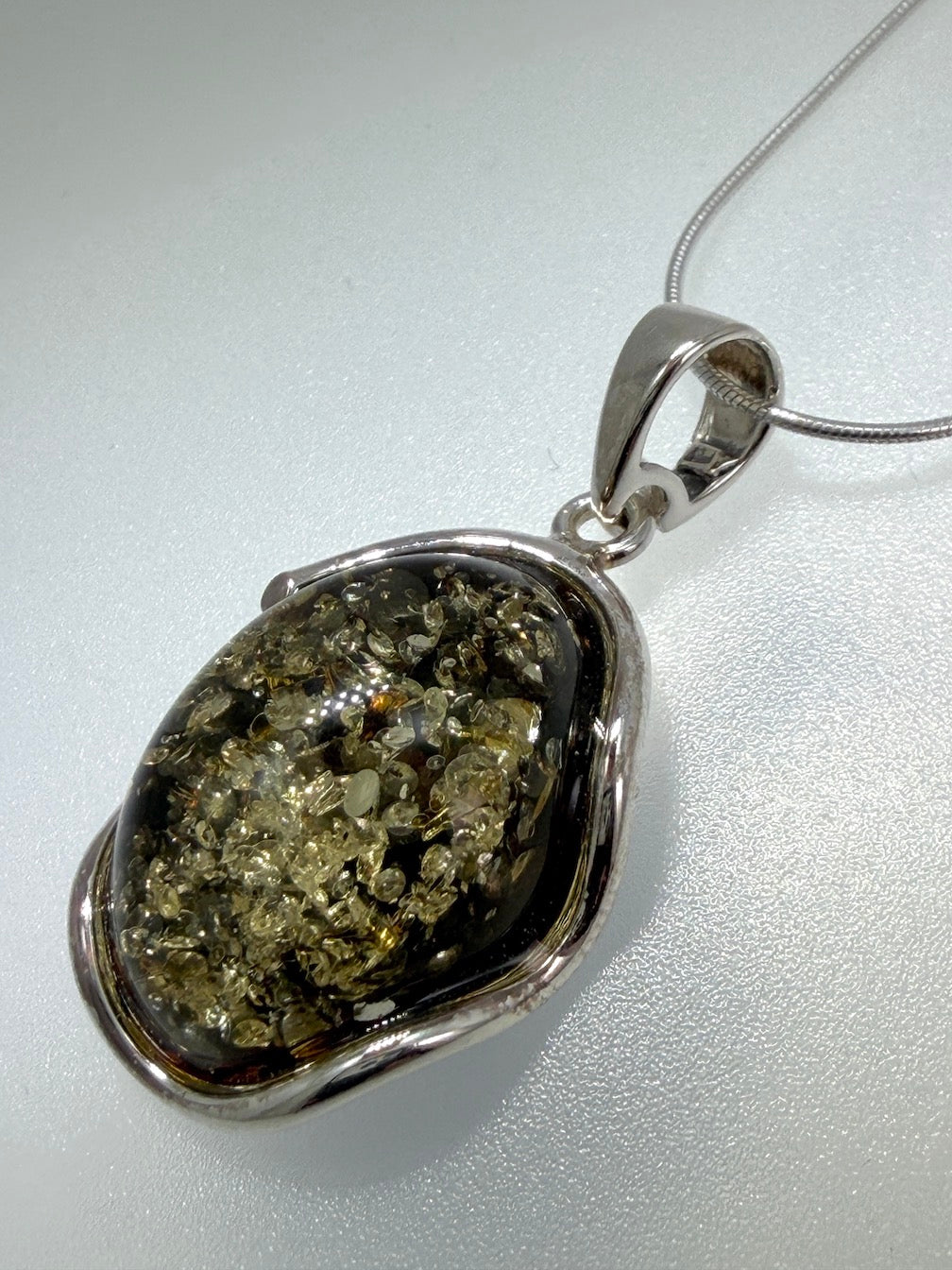
Lemon and Green Amber
Lemon and green amber are the rarest natural colors. They suit amber enthusiasts, collectors, and anyone who specifically wants something genuinely unusual.
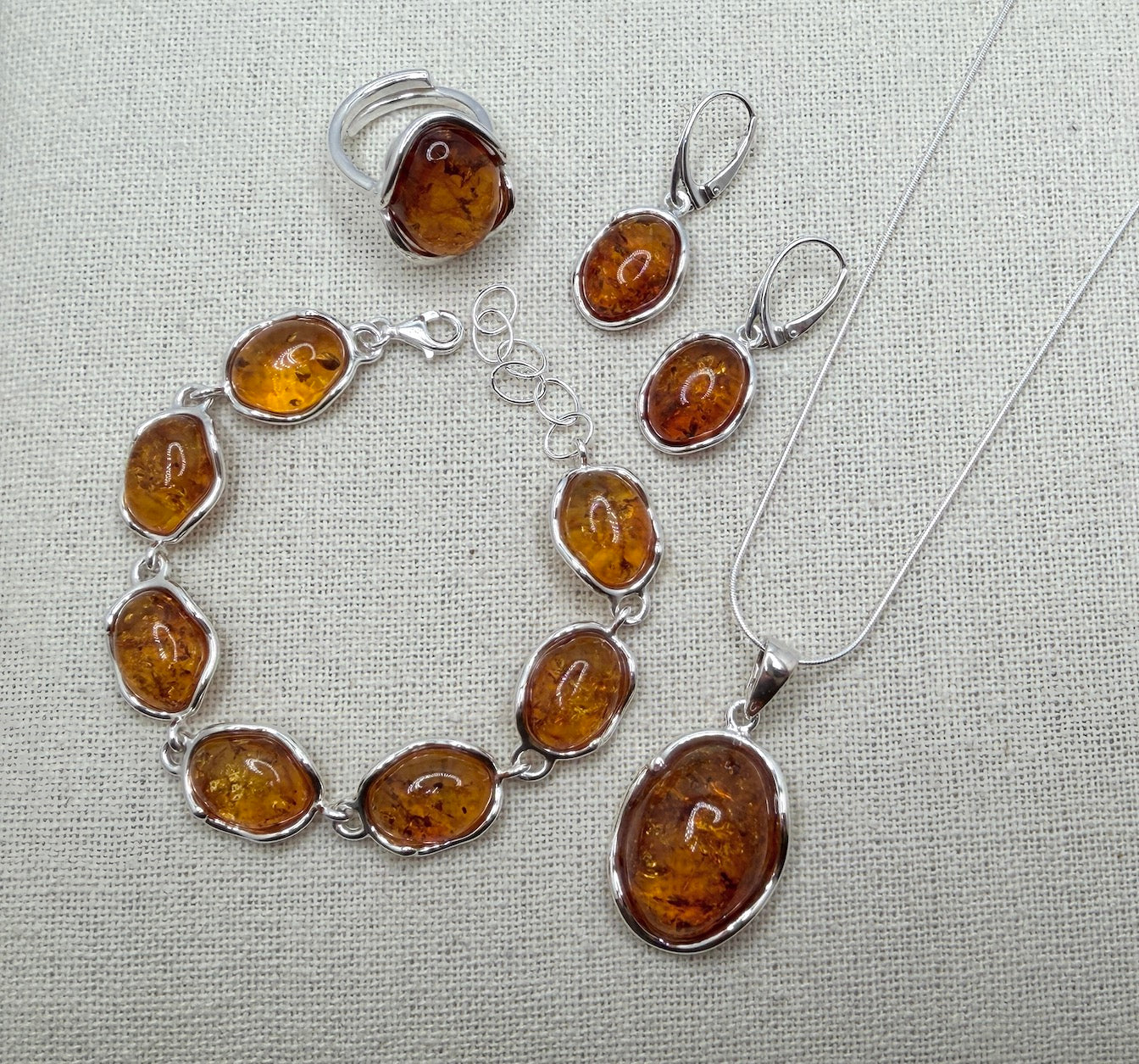
Then match the piece type to the occasion:
Necklaces and pendants are the most universally loved gift. They work for nearly every age, every style, and every occasion. A honey or cognac amber pendant in a sterling silver setting is one of the safest and most appreciated gifts in our collection.
Rings and bracelets are strong self-purchase pieces. They're worn constantly, noticed daily, and become part of someone's everyday identity. Bracelets are also the top choice for wellness-focused buyers — worn against the wrist for natural amber contact throughout the day.
Earrings suit someone who prefers minimal jewelry with real impact. Elegant, understated, and always appropriate.
Men's amber jewelry is a category more buyers are discovering. Amber rings and bracelets in sterling silver carry a quiet, natural strength that suits men who appreciate materials with a story.
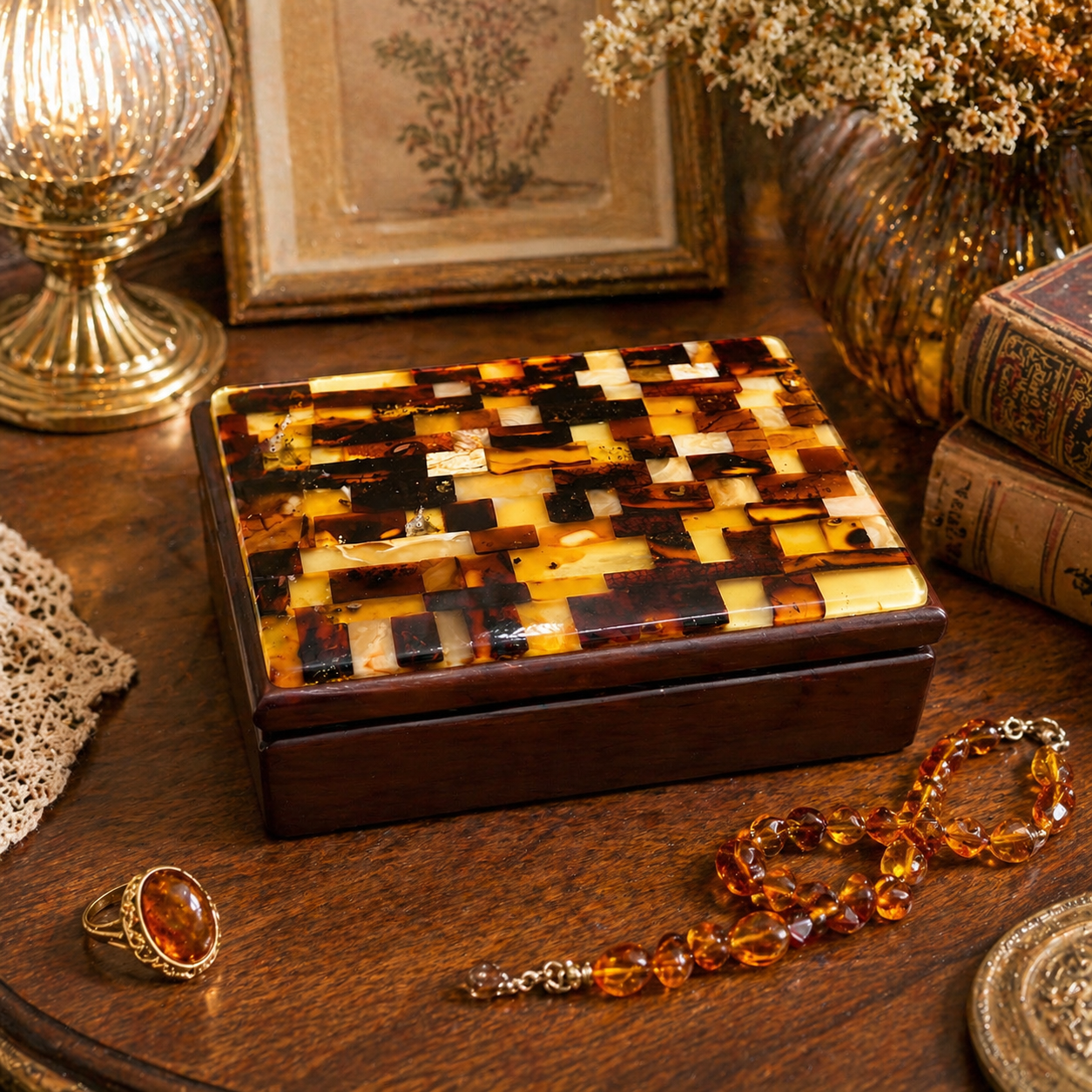
For gift-givers, here are the highest-intent occasions:
The 11th anniversary is traditionally amber — one of the most searched gifting occasions in this category. Mother's Day, milestone birthdays, Christmas, Polish heritage events, christenings, and graduations are all natural fits. Every Midwest Amber piece arrives gift-ready. There's nothing extra to do.
Still not sure? That's what the consultation is for. Reach out before you order and tell us about the person, the occasion, and any style preferences you know. We'll point you to the right piece — or find something that isn't on the website yet.
How to Care for Amber Jewelry So It Lasts for Generations
Baltic amber is 40+ million years old, but that doesn't make it indestructible. It's a natural resin, not a mineral, and it responds to heat, chemicals, and careless storage in ways that harder gemstones don't. The good news: proper care is simple. The bad news: the wrong approach causes damage that can't be undone.
What never to use on amber — ever:
Ultrasonic cleaners are the most common mistake. The vibrations that safely clean diamonds and metal will crack natural amber. Never use them. Chemical jewelry cleaners are the second most common mistake. They strip the natural surface of amber and permanently dull its glow. Hot water, bleach, alcohol, acetone, and any solvent — all cause irreversible damage. Rough cloths or abrasive pads — amber scratches more easily than most gemstones you've worked with before.
The right way to clean amber jewelry:
Dampen a soft microfiber cloth with lukewarm water and a single small drop of mild dish soap. Gently wipe the amber stone and the metal setting. Rinse the cloth completely with clean water and wipe the piece again. Dry immediately and completely with a dry soft cloth — don't let it air-dry, especially the silver setting, which will tarnish faster with moisture exposure.
For tarnished sterling silver settings, use a silver polishing cloth on the metal only. Work carefully around the amber stone. A soft-bristle toothbrush can reach into detailed silver work — just keep it away from the amber surface itself.
Storage matters more than most people think:
Store amber separately from other jewelry. Amber scratches when it rubs against harder materials — diamonds, sapphires, even harder metals. A soft jewelry pouch or a lined compartment in a jewelry box works well. Keep it away from windowsills, heat vents, and direct sunlight — prolonged exposure to heat causes amber to dry out and eventually crack. A consistent, cool, dark environment is ideal.
For daily-wear pieces:
A gentle wipe-down after each wear removes skin oils and residue before they build up. A thorough clean once a month keeps both the amber and the silver in their best condition. If a piece has been stored for a long time without wear, clean it before wearing and inspect the setting to make sure nothing has loosened.
One thing worth saying clearly: if your sterling silver tarnishes, that's not a problem — it's proof the metal is real. Tarnish wipes off with a polishing cloth. It's chemistry, not damage.
We get asked this question often, especially by customers purchasing milestone gifts or considering a higher-value piece. Here's an honest answer.
Whether Amber Jewelry Is a Smart Long-Term Investment
Baltic amber is a finite natural resource.
The primary deposit — stretching from the Baltic Sea region through Poland, Lithuania, and Latvia — is not growing. Quality natural amber in desirable colors is increasingly difficult to source. The supply is fixed. That matters for long-term value.
No two pieces are alike, ever.
Every natural Baltic amber stone has its own color, shape, inclusions, and surface character. There is no factory anywhere producing copies of a specific natural amber stone. That inherent uniqueness is a real value driver — not a marketing claim.
Handcrafted direct-sourced pieces hold more value than mass-produced alternatives.
A piece hand-set by a skilled artisan in Poland or Lithuania, using a natural amber stone sourced directly from the Baltic region, represents real skill and real material. A factory-made piece using pressed amber in a plated setting does not. The difference in long-term value is significant.
The primary deposit — stretching from the Baltic Sea region through Poland, Lithuania, and Latvia — is not growing. Quality natural amber in desirable colors is increasingly difficult to source. The supply is fixed. That matters for long-term value.
Every natural Baltic amber stone has its own color, shape, inclusions, and surface character. There is no factory anywhere producing copies of a specific natural amber stone. That inherent uniqueness is a real value driver — not a marketing claim.
A piece hand-set by a skilled artisan in Poland or Lithuania, using a natural amber stone sourced directly from the Baltic region, represents real skill and real material. A factory-made piece using pressed amber in a plated setting does not. The difference in long-term value is significant.
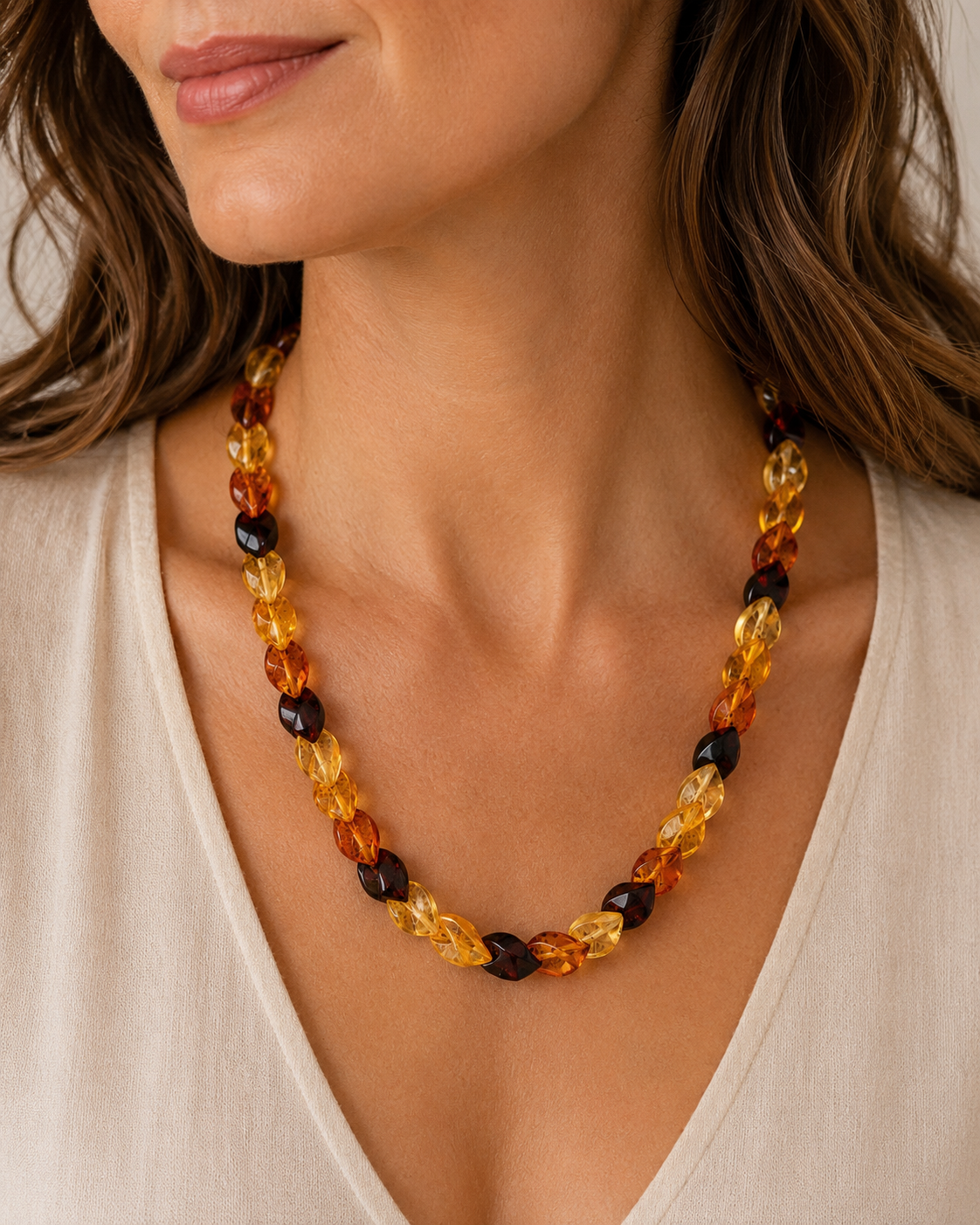
How Expert Consultation Changes the Way You Buy Amber Jewelry
Here's what happens when most people buy amber jewelry without expert guidance: they guess. They pick something that looks good in the photo. It arrives and it's either perfect or it's not quite right — wrong color for the recipient's skin tone, wrong piece type for the occasion, or worse, not what it claimed to be at all. Returns happen. Disappointment happens.
Here's what happens when they reach out to Midwest Amber first: they get the right piece.
What to bring to a consultation:
The more you tell us, the better the outcome. Recipient's style (classic, bold, minimalist, nature-inspired). The occasion and any significance it carries. Any colors you know they gravitate toward. Whether wellness is part of the purpose. Your gut feeling about what feels right — even if you can't fully articulate it. We've done this long enough that we can work with almost any starting point.
Why this consultation is different from asking any other jeweler:
Most jewelry stores carry amber as a sideline. It's one category among many. Our entire business is built on genuine Baltic amber — sourcing it, understanding it, and matching it to the right person. When you ask us a question about amber, you're asking someone who has spent 20 years handling it, studying it, and building direct relationships with the artisans who craft it. That's not something you get from a general jeweler, an online marketplace, or an AI product description.
The consultation is free. The expertise behind it is not something you can find anywhere else.
Frequently Asked Questions
What should I look for when buying amber jewelry for the first time?
Confirm the amber is natural Baltic amber — not copal, plastic, or pressed amber. Check for a .925 hallmark on any sterling silver setting. Ask the seller where the amber was sourced and by whom. Look for a verified track record of real customer reviews. A seller who can answer all of these questions clearly is a seller you can trust.
Why is Baltic amber considered the best amber for jewelry?
It's the oldest deposit, contains the highest levels of succinic acid, produces the widest natural color range, and is backed by centuries of Polish and Lithuanian artisan tradition. No other amber type matches all four of those qualities simultaneously.
How do I choose the right amber piece as a gift without getting it wrong?
Start with color — honey and cognac amber are universally flattering and safe choices for most recipients. Match the piece type to the occasion — necklaces and pendants for milestone gifts, bracelets for wellness-focused recipients, rings and earrings for everyday elegance. When in doubt, reach out to Midwest Amber before ordering — free consultation, no obligation.
Is amber jewelry a good long-term investment?
Genuine Baltic amber is finite, one of a kind, and increasingly difficult to source in premium quality. Handcrafted pieces from direct Baltic sources hold real long-term value and strong heirloom potential. It doesn't trade like gold — but for rarity, natural uniqueness, and lasting beauty, few materials come close.
How should I care for amber jewelry to make it last?
Clean gently with a soft damp cloth and mild soap. Dry immediately. Store separately from other jewelry in a cool, dark place away from heat and sunlight. Never use ultrasonic cleaners, chemical jewelry cleaners, hot water, or abrasive cloths. A monthly gentle clean keeps both amber and silver at their best.
Can I get expert help choosing an amber piece before I place an order?
Yes — and we encourage it. Call (630) 202-7215 or email midwestamber1@gmail.com before you order. Tell us about the person, the occasion, and any preferences you know. We'll help you find exactly the right piece based on 20+ years of direct Baltic amber expertise — at no charge.