

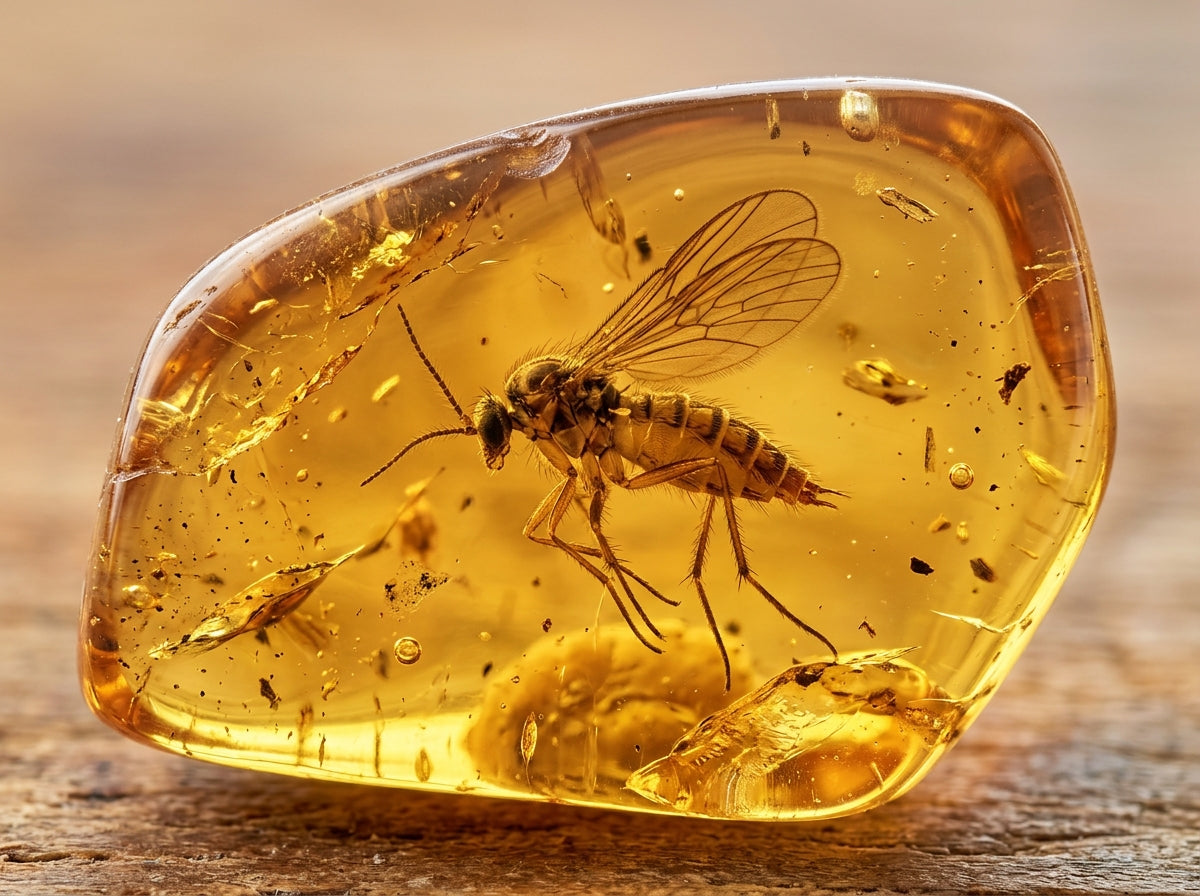
What Are Amber Inclusions? A Quick Answer
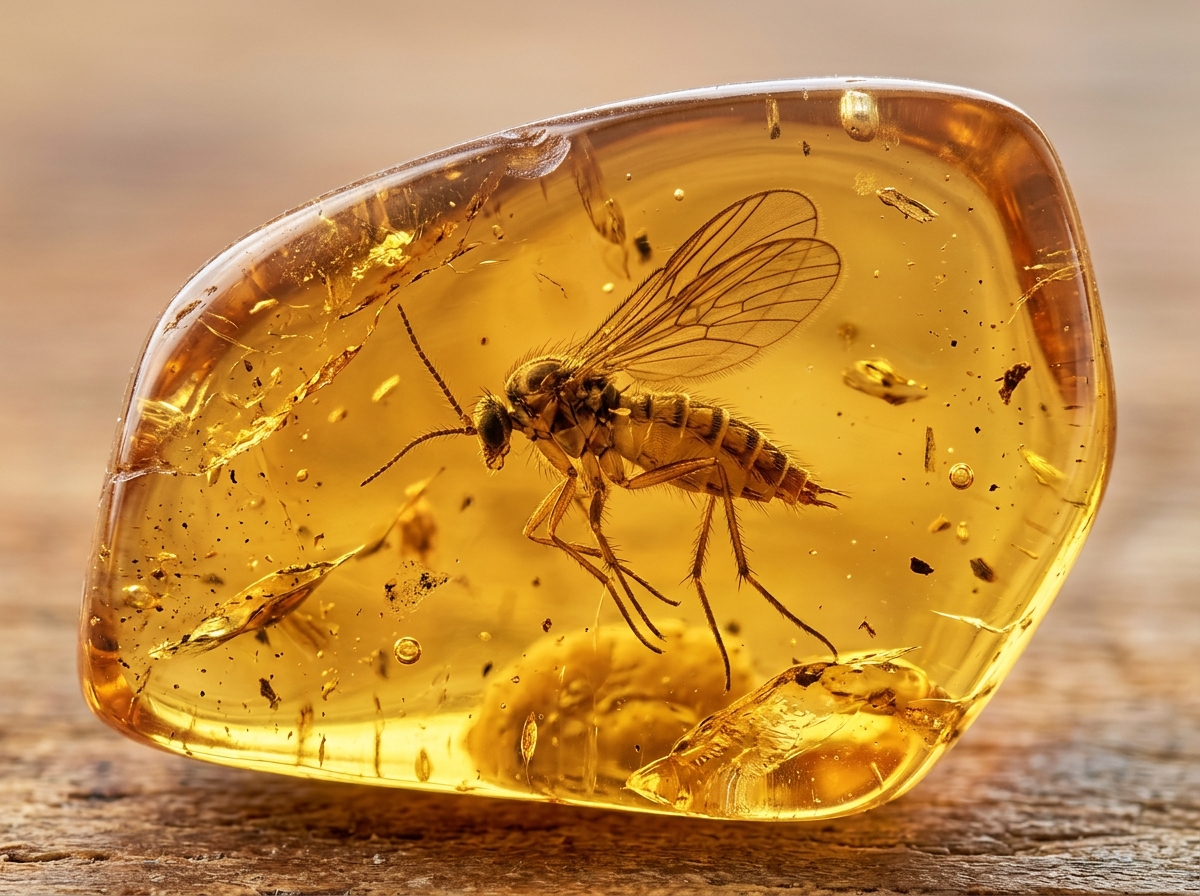
Amber inclusions are organisms or materials — most often insects, spiders, or plant matter — that became trapped in tree resin millions of years ago and are now preserved inside hardened amber.
Here's what you need to know at a glance:
- What they are: Ancient lifeforms or debris sealed inside fossilized tree resin
- How old: Typically 34–48 million years old for Baltic amber; some as old as 230 million years
- Most common: Flies, mosquitoes, ants, spiders, bark beetles, and plant trichomes
- Rarest: Lizards, scorpions, frogs, bird feathers, and predator-prey interactions
- Why they matter: They give scientists — and collectors — a 3D snapshot of prehistoric ecosystems that would otherwise be lost forever
Imagine holding a piece of golden resin with a mosquito frozen mid-step inside it, perfectly preserved for 50 million years. Every hair on its legs still intact. Every wing vein still visible. That's the quiet magic of amber inclusions — tiny time capsules that captured moments of ancient life before the world had a chance to forget them.
Only about 1 in every 1,000 pieces of Baltic amber contains an insect inclusion. Of those, just 10% are preserved well enough to identify the species. That rarity is part of what makes genuine amber inclusions so fascinating — and so sought after by collectors and scientists alike.
This guide covers everything a beginner needs to know: how inclusions form, what types are found, how to spot fakes, and what makes certain pieces extraordinarily valuable.
I'm Gabriel Ciupek, President and owner of Midwest Amber, Inc., with over 20 years of experience sourcing and evaluating genuine Baltic amber — including pieces with rare and scientifically significant amber inclusions. Working directly with Polish and Lithuanian artisans has given me a deep appreciation for what makes each inclusion-bearing piece truly one of a kind.
What Are Amber Inclusions and How Do They Form?
To understand amber inclusions, we first have to clear up a common misconception: amber is not a stone or a mineral. It is fossilized tree resin. Millions of years ago, ancient forests—particularly the "amber forest" of the Baltic region—were filled with trees that produced sticky resin as a protective mechanism.
When a tree was injured by a storm or attacked by boring beetles, it bled this thick, aromatic liquid to seal the wound and ward off fungi and disease. Because the resin was incredibly sticky and often flowed in large "runs," it acted as a natural trap. Any small creature or plant fragment that touched the surface was instantly mired. As the animal struggled, it often sank deeper, only to be covered by subsequent flows of fresh resin. This process led to a form of "mummification" where the organism was sealed away from oxygen and scavengers.
Over the course of 34 to 48 million years (in the case of Baltic amber), this resin underwent a complex chemical transformation. First, volatile compounds like terpenes evaporated, leaving behind a hard substance known as copal. Eventually, through a process called polymerization, the molecules linked together under heat and pressure within the Earth's crust. This turned the organic resin into the durable, fossilized substance we call succinite, or Baltic amber.
The beauty of this process is that while typical fossils are often compressed into two dimensions, amber inclusions are preserved in 3D. They offer a "message in a bottle" from the past, as described in AMBER - What is amber?. For those looking to wear a piece of this history, you can find stunning examples in our collection of amber mosquito rings.
Common and Rare Organisms Found in Ancient Resin
When we look at amber inclusions, we are seeing a biased snapshot of the ancient world. Not everything that lived in the forest got trapped. The resin was most effective at catching small, active organisms that lived on or near the tree bark. This is why about 99% of all animal inclusions are arthropods.
Common Baltic Inclusions
If you find a piece of amber with a "bug" in it, there is a very high probability it belongs to one of these groups:
- Flies and Mosquitoes: These make up about 45% of all Baltic inclusions. Because they were attracted to the scent of the resin or simply landed on the bark to rest, they are extremely frequent.
- Spiders: About 9% of inclusions are arachnids. Sometimes you can even see their silk or tiny "dew drops" preserved alongside them.
- Ants and Wasps: These social insects were constantly scurrying over the trees and frequently became stuck.
- Bark Beetles: Naturally, since they lived on the resin-producing trees, they are common finds.
- Oak Trichomes: These are tiny, star-shaped hairs from oak flowers. They are so frequent in Baltic amber that they suggest resin production peaked during the spring and early summer.
For collectors, finding these common insects in high-quality settings is a great way to start a collection. You can explore various styles, such as our amber necklaces featuring mosquitoes, which bring these ancient stories to life.
Rare Vertebrates and Unique Amber Inclusions
While insects are the "standard" find, certain amber inclusions are so rare they are considered museum-quality treasures. These include:
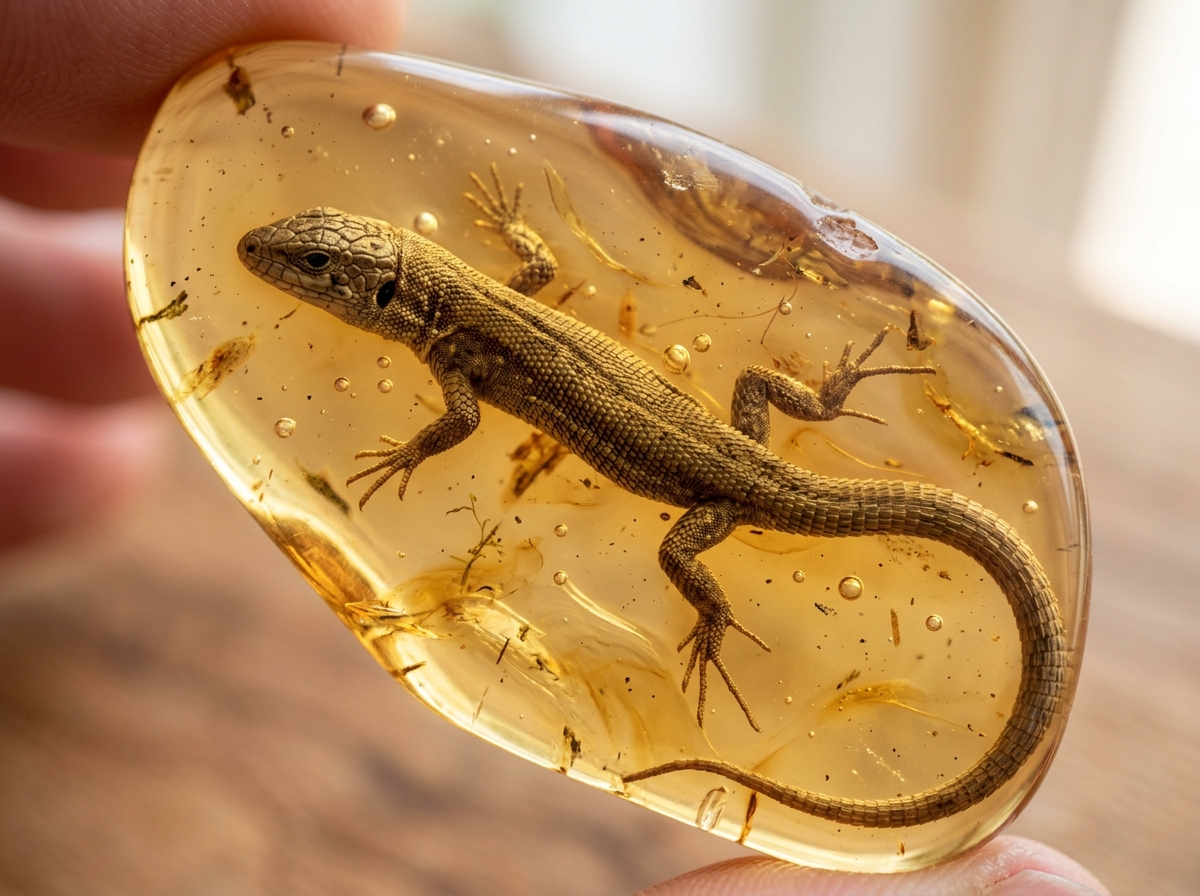
- Lizards and Frogs: Small vertebrates are exceptionally rare because they were usually strong enough to pull themselves free from the sticky resin. A complete lizard is one of the most valuable finds in the world.
- Bird Feathers and Mammal Hair: While the animals themselves were too large to be trapped, they often left behind traces. We've even seen research into dinosaur feathers found in Burmese amber!
- Life Moments: Some of the most fascinating pieces aren't just about what is inside, but what they are doing. We find insects caught in the act of mating, shedding their skins, or even predator-prey interactions, such as a fly caught in a spider's web.
Aquatic Organisms and Hydrophobic Resin
One of the biggest scientific mysteries was how aquatic organisms—like water beetles or crustaceans—ended up in tree resin, which is naturally hydrophobic (water-repelling). Recent research and experiments in Florida swamp forests have provided the answer.
It turns out that resin can flow directly into the water of a swamp. Aquatic insects like water beetles occasionally collide with these subaquatic resin flows. As they struggle, they become deeply embedded. Additionally, tiny water droplets containing microorganisms like algae or amoebae can become enclosed in the resin, preserving a microscopic world that scientists call a "microbiocenosis." This explains why we occasionally find "impossible" inclusions like small shrimp or water-dwelling larvae.
Comparing Global Sources: Baltic vs. Dominican and Burmese
While there are over 150 types of fossil resins worldwide, three main sources dominate the market for amber inclusions.
| Feature | Baltic Amber | Dominican Amber | Burmese Amber |
|---|---|---|---|
| Age | 34–48 Million Years | 15–20 Million Years | ~99 Million Years |
| Source Tree | Extinct Pine (Pinus succinifera) | Extinct Legume (Hymenaea) | Agathis (Conifer) |
| Common Colors | Honey, Cognac, Butterscotch | Yellow, Rare Blue/Green | Deep Red, Brown |
| Inclusion Rarity | 1 in 1,000 pieces | More frequent (up to 1 in 100) | Rare but diverse |
| Special Value | High Succinic Acid (3-8%) | Exceptional Transparency | Cretaceous-era fossils |
Baltic amber is the gold standard for many collectors. It comes primarily from the Samland Peninsula in the Baltic Sea region, which produces 90% of the world's supply. It is unique because of its high succinic acid content, which has led to its historical use in folk medicine and jewelry for thousands of years.
Dominican amber is known for being incredibly clear, making it easier to see the amber inclusions without professional equipment. Burmese amber is much older, dating back to the age of the dinosaurs, which means the insects found inside are often from extinct families that look nothing like what we see today. If you're looking for a ring that features these diverse styles, check out our guide to amber rings with bug inclusions.
The Scientific and Monetary Value of Amber Inclusions
Why are people willing to pay hundreds or even thousands of dollars for a piece of fossilized sap? The value of amber inclusions is determined by both scientific importance and aesthetic beauty.
Scientific Value: Amber provides a 3D view of evolution. Unlike stone fossils, which are often just impressions, amber preserves the actual exoskeleton, tiny hairs, and sometimes even internal structures. Scientists use these pieces to study how ancient ecosystems functioned and how species have changed over tens of millions of years. Interestingly, while Jurassic Park made the idea famous, we now know that DNA has a half-life of about 521 years. This means that after 6.8 million years, the DNA is completely gone, so cloning a dinosaur from a mosquito is, unfortunately, impossible.
Monetary Value: According to the GIA's guide on valuable amber, the most valuable pieces are those that are rare, clear, and tell a story. A common fly in a cloudy piece of amber might be worth $30, while a clear piece containing a rare scorpion or a lizard could fetch thousands.
Factors that increase value include:
- Clarity: Can you see the insect clearly with the naked eye?
- Completeness: Is the entire organism present, or just a leg or wing?
- Rarity: Is it a common gnat or a rare predatory wasp?
- Narrative: Does it capture a "moment in time," like a spider attacking its prey?
For a beautiful example of how these inclusions are used in fine jewelry, you might enjoy looking at an insect amber brooch, which turns a scientific wonder into a wearable work of art.
Identifying Authentic Amber Inclusions
As the value of amber inclusions has risen, so has the number of fakes. Modern "amber" is often made of plastic or resin with a modern insect (like a common housefly) pressed inside. Here is how we at Midwest Amber ensure authenticity:
- The Static Test: Rub the amber vigorously on a piece of natural cloth (like wool or silk) for 20 seconds. Real amber will become electrostatically charged and pick up small bits of paper or dust.
- The Scent Test: When rubbed until warm, genuine Baltic amber should give off a faint, pleasant smell of pine resin. Plastic fakes will smell like chemicals.
- Visual Inspection: Look for "flow lines" in the amber. If an insect looks too "perfectly" placed or if the amber around it looks like it was melted and poured, be suspicious. Fakes often involve drilling a hole into real amber, inserting a modern bug, and filling it with resin.
- The Saltwater Test: Real amber floats in highly saturated saltwater but sinks in fresh water. Most plastics sink in both.
To avoid being fooled by imitations, it is always best to find your fossil amber from a reputable dealer who specializes in genuine Baltic specimens.
Conclusion
At Midwest Amber, we believe that every piece of amber tells a story that began nearly 50 million years ago. Whether it's a tiny gnat or a rare fragment of a prehistoric leaf, amber inclusions connect us to a world that existed long before humans walked the Earth.
We take great pride in our heritage, working closely with Polish and Lithuanian artisans to bring you handcrafted, 100% natural Baltic amber. Based in the Chicago area—from Arlington Heights to Schaumburg and beyond—our US-based team has over 20 years of experience ensuring that every piece we sell is ethically sourced and authentically certified.
If you are looking for a unique gift or a centerpiece for your own collection, we invite you to explore our fascinating finds in amber jewelry for men, featuring some of our most impressive ancient inclusions. When you choose Midwest Amber, you aren't just buying jewelry; you're holding a piece of natural history that has been millions of years in the making.

Leave a comment
This site is protected by hCaptcha and the hCaptcha Privacy Policy and Terms of Service apply.