

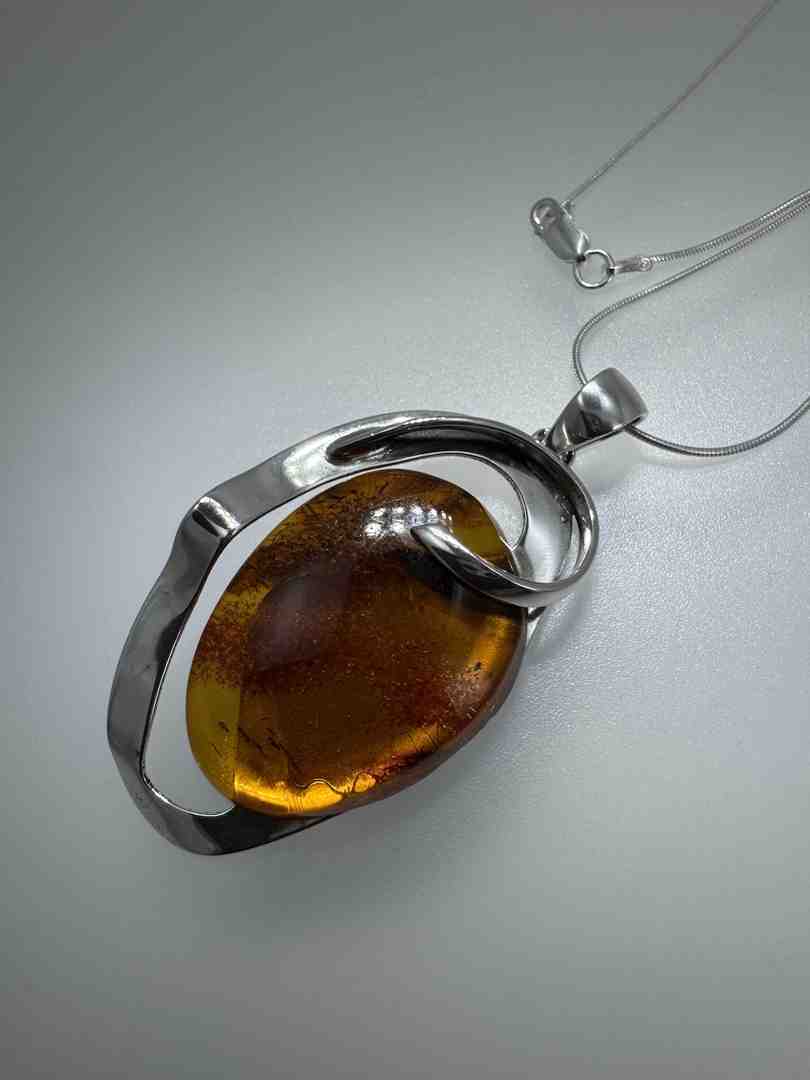
Why a Certified Authentic Amber Pendant Is Worth Getting Right

A certified authentic amber pendant is a piece of genuine Baltic amber — fossilized tree resin formed 30 to 50 million years ago — that comes with documented proof of its origin and natural composition.
Here's what to look for at a glance:
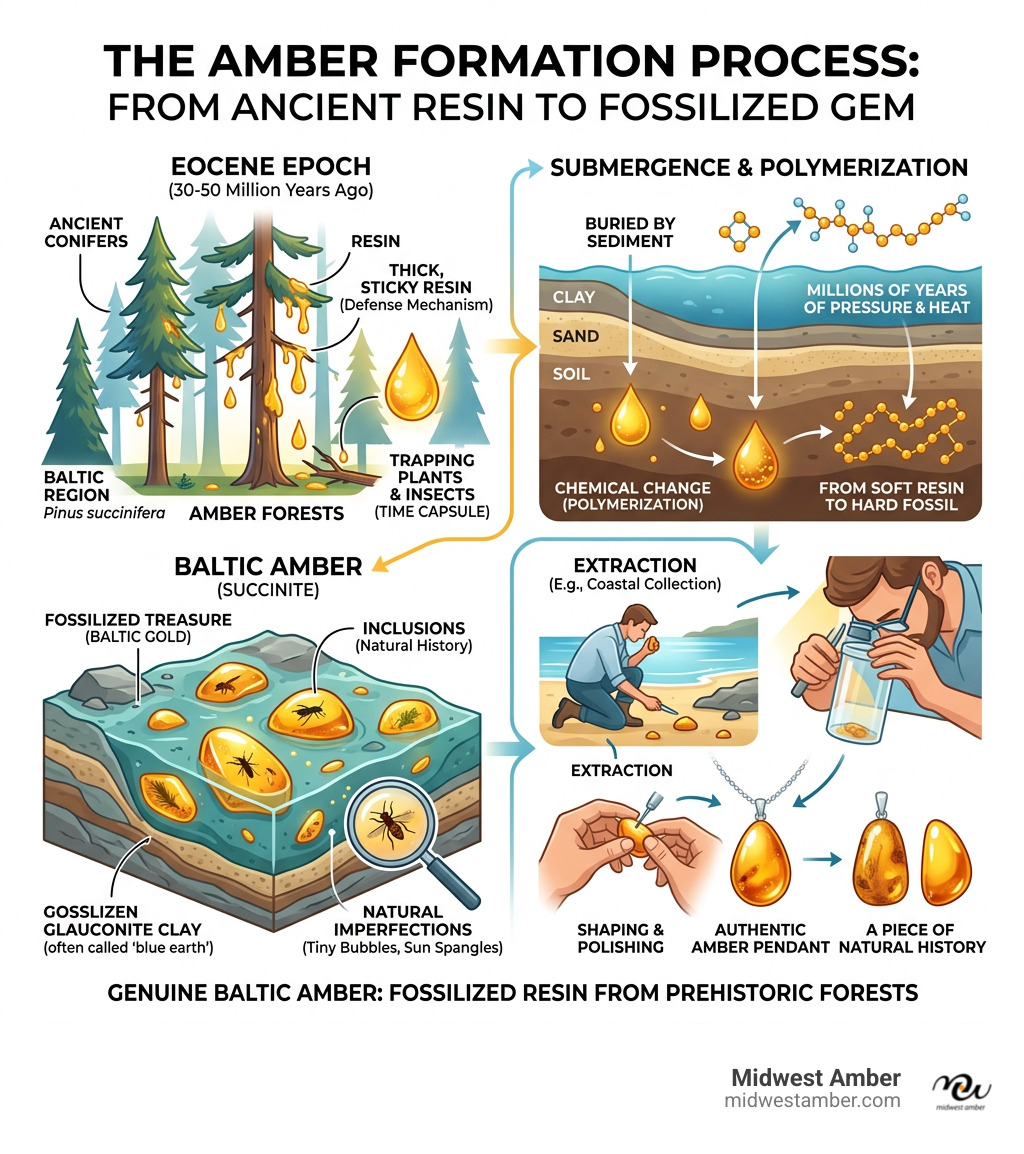
| What to Check | What Genuine Baltic Amber Has |
|---|---|
| Certification | Authenticity card or numbered certificate |
| Material | Fossilized resin (succinite), not plastic or glass |
| Hardness | Mohs 2-3 (scratches easily) |
| Float test | Floats in saltwater (7-8 tsp salt per glass) |
| UV light | Fluoresces blue or green |
| Scent | Faint pine-like smell when warmed |
| Inclusions | Natural plant matter or insects possible |
The Baltic amber market is flooded with imitations — plastic, glass, and young copal resin are all sold as "real amber" every day. Buying without proper certification means you could easily pay premium prices for a worthless fake.
I'm Gabriel Ciupek, President and owner of Midwest Amber, Inc., with over 20 years of experience sourcing and selling certified authentic amber pendants directly from the Baltic region. Throughout this guide, I'll walk you through exactly how to spot genuine amber, what certifications actually mean, and where to buy with confidence.
Understanding the Origin of Your Certified Authentic Amber Pendant
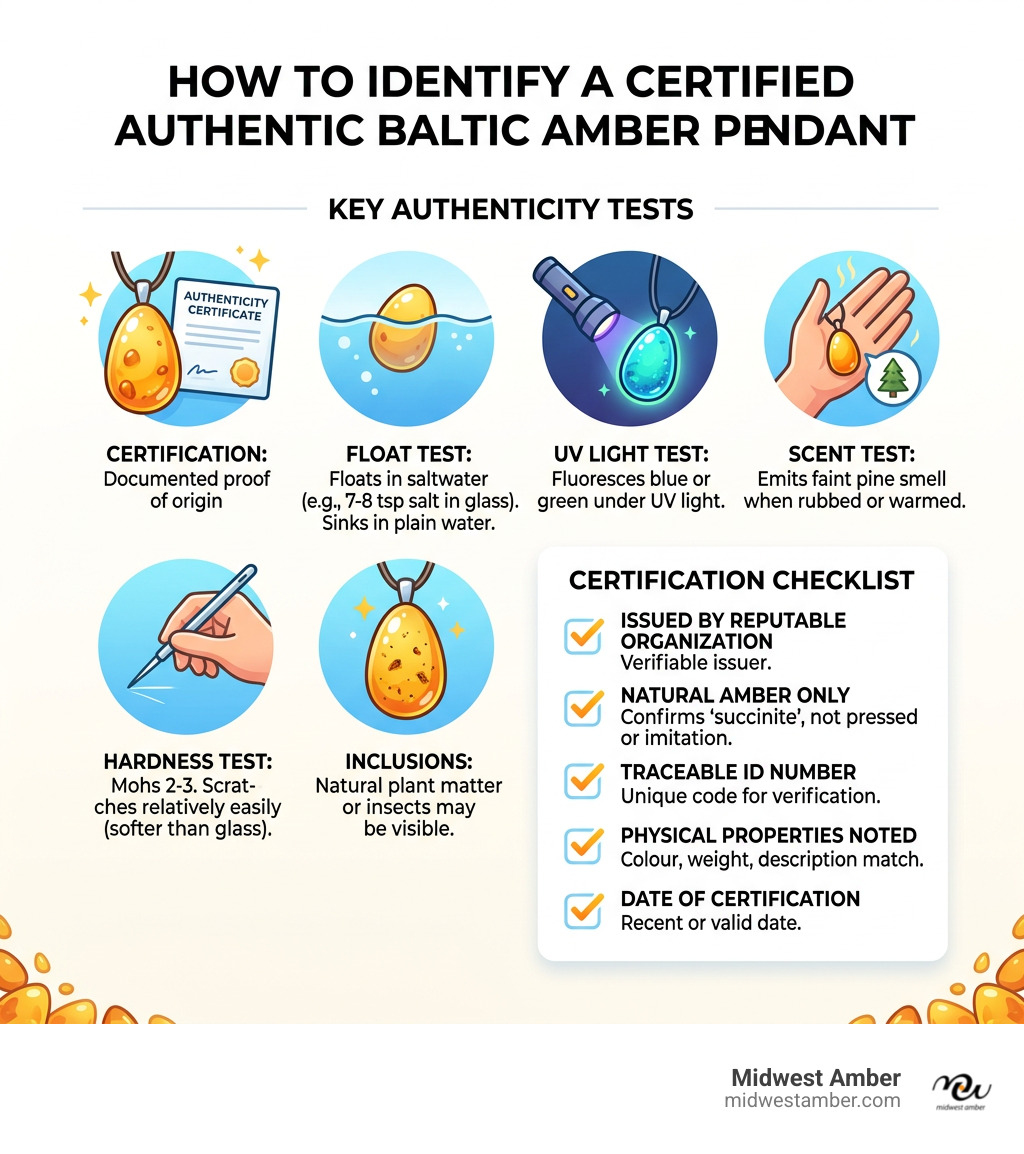
To truly appreciate a certified authentic amber pendant, we have to travel back in time—way back. We are talking about 30 to 50 million years ago. During the Eocene epoch, vast "amber forests" of ancient coniferous trees, specifically the Pinus succinifera, blanketed the Baltic region, including what we now know as Poland and Lithuania.
When these prehistoric trees were damaged or succumbed to climate changes, they bled a thick, sticky resin. This wasn't just sap; it was a sophisticated defense mechanism. Over millions of years, this resin underwent a process called polymerization, eventually fossilizing into the "Gold of the North" that we cherish today. Scientifically, this specific type of Baltic amber is known as succinite.
One of the most enchanting aspects of genuine amber is its ability to act as a time capsule. Because the resin was so sticky, it frequently trapped bits of prehistoric ecosystems—leaf fragments, oak blossoms, and even tiny insects. When you hold a certified authentic amber pendant, you aren't just wearing jewelry; you are wearing a piece of natural history.
It is important to remember that natural amber is rarely "perfect." Real Baltic amber often features natural imperfections like tiny air bubbles, internal fractures (known as "sun spangles" when heat-treated), and varying opacity. These are not flaws; they are the fingerprints of nature that distinguish a real gem from a factory-made plastic imitation.
How to Identify a Genuine Amber Pendant and Avoid Fakes
In our two decades of experience serving the Chicago area and suburbs like Arlington Heights and Schaumburg, we've seen it all. The market is rife with "amber" made of glass, phenolic resins, celluloid, and even modern plastic.
Identifying a certified authentic amber pendant requires a keen eye for specific physical properties:
- The Weight Factor: Amber is surprisingly lightweight. It is one of the lightest "gemstones" in existence. If a pendant feels heavy or cold like stone or glass, it’s likely a fake.
- The Warmth Test: Unlike glass or minerals, amber is warm to the touch. Because it is an organic resin, it conducts heat poorly.
- Hardness: On the Mohs scale, Baltic amber sits at a 2 to 3. This means it is relatively soft. While we don't recommend scratching your jewelry, a copper penny can scratch real amber, whereas it won't leave a mark on glass.
- Electrostatic Properties: If you rub real amber vigorously against a cloth for 20 seconds, it becomes negatively charged and will pick up small bits of tissue paper or dust.
Comparison Table: Real Baltic Amber vs. Common Imitations
| Feature | Real Baltic Amber | Copal (Young Resin) | Plastic/Resin | Glass |
|---|---|---|---|---|
| Age | 30-50 Million Years | < 1 Million Years | New | New |
| Scent | Faint Pine (when heated) | Strong Sweet Resin | Chemical/Plastic | Odorless |
| Solubility | Resistant to Alcohol | Becomes Tacky/Sticky | Variable | Resistant |
| Saltwater | Floats | Floats | Sinks (usually) | Sinks |
| UV Light | Blue/Green Glow | White/Yellowish | No Glow/Dull | No Glow |
The Role of Certification in Verifying a Certified Authentic Amber Pendant
Why is certification so vital? Because high-quality fakes (like "pressed amber," which is made of small scraps melted together under high pressure) can fool even some experienced enthusiasts.
A certified authentic amber pendant should ideally come with a certificate of authenticity. At Midwest Amber, we provide these to ensure our customers in places like Buffalo Grove, Long Grove, and Lake Zurich know exactly what they are getting.
Reputable certifications often come from recognized bodies like the International Amber Association (IAA). A valid certificate should include:
- A description of the item.
- The type of amber (e.g., Natural Baltic Amber).
- A guarantee that the amber has not been bonded with artificial resins.
- A unique identification number or company seal.
Selecting the Perfect Certified Authentic Amber Pendant for Your Style
Choosing a pendant is a personal journey. Because every piece of amber is unique, no two pendants are ever identical.
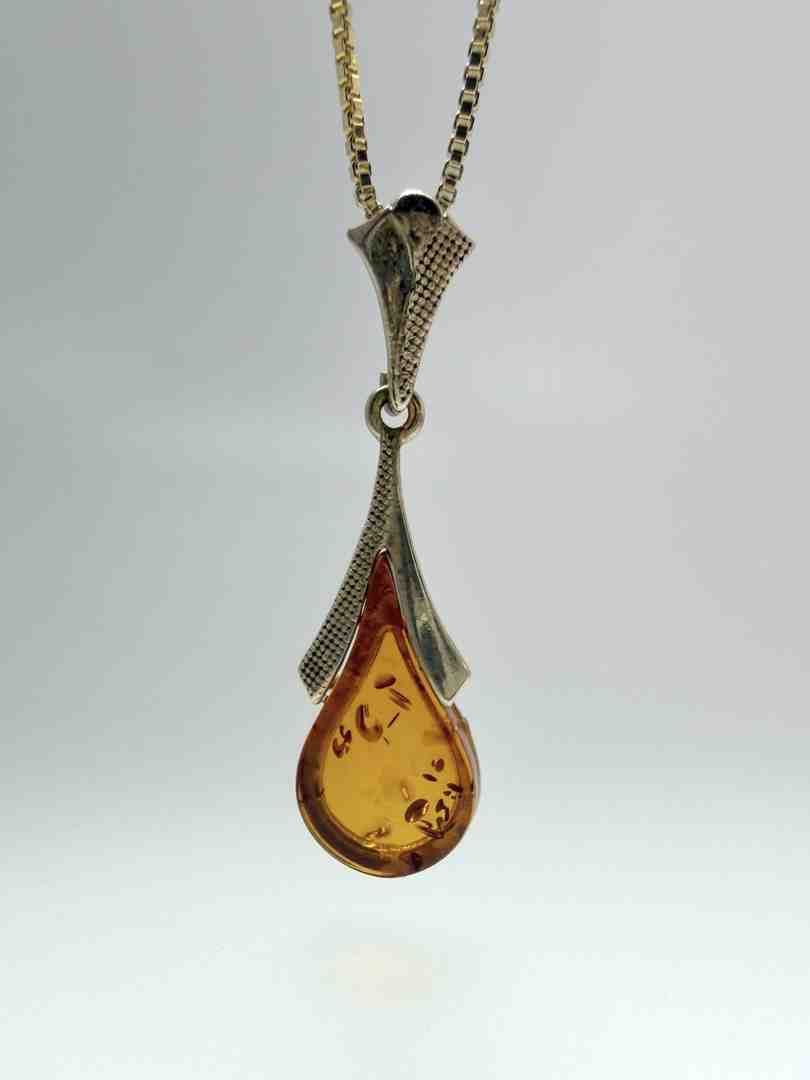
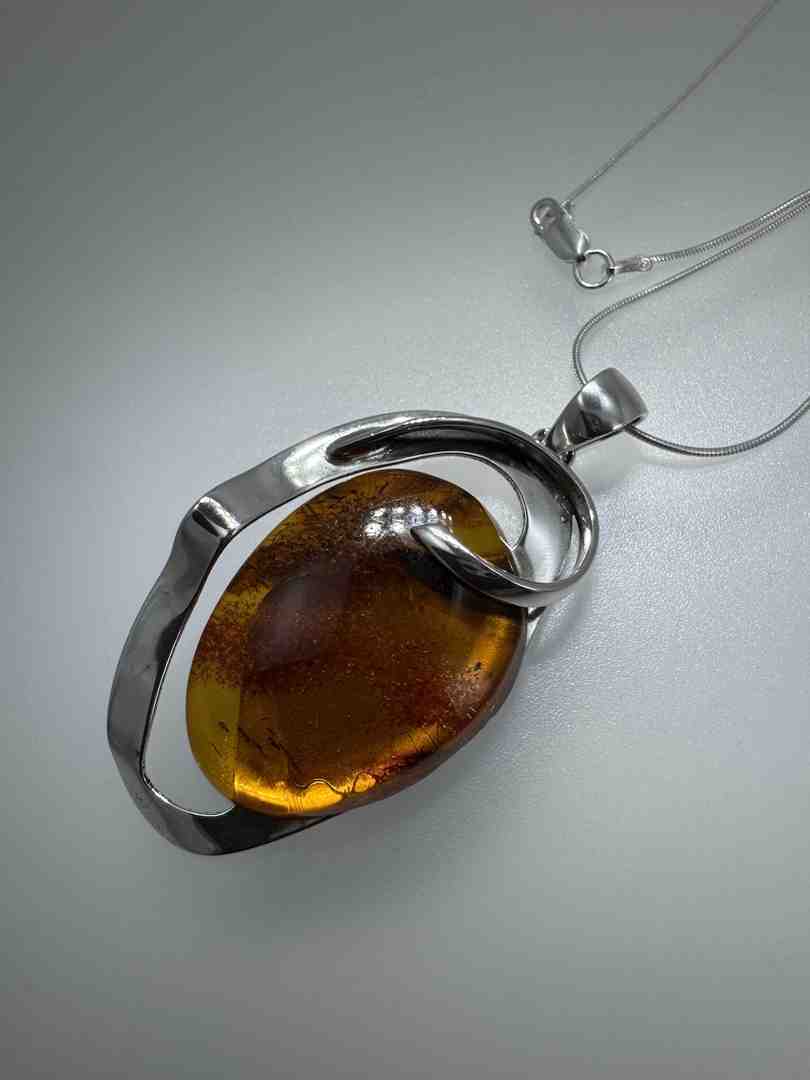
- Settings: Most of our handcrafted pieces are set in 925 Sterling Silver, which provides a classic, cool contrast to the warm glow of the amber. For a more luxurious look, gold-plated silver settings are also popular.
- Shapes: The teardrop shape is a timeless favorite, echoing the natural "drop" form of resin falling from a tree. However, we also offer freeform "raw" pendants for those who prefer a more organic, earthy aesthetic.
- Artisan Craftsmanship: We work closely with skilled artisans in Poland and Lithuania who have spent decades perfecting the art of polishing and setting amber. This artisan touch ensures that the natural beauty of the stone is highlighted, not hidden.
Essential Home Tests for Amber Authenticity
If you’ve already purchased a pendant and want to verify its soul, there are several tests you can perform in your kitchen. We recommend doing a combination of these, as no single home test is 100% foolproof on its own.
The Saltwater Float Test
This is the most famous test for a certified authentic amber pendant.
- The Mix: Dissolve about 7 to 8 teaspoons of plain table salt into a medium-sized glass of water. Stir until fully dissolved.
- The Action: Drop your amber (without the silver chain) into the water.
- The Result: Real Baltic amber will float. Plastic, glass, and most "fake" resins will sink like a stone because they are denser than the saltwater solution.
The UV Light Test
If you have a UV flashlight (often used for checking currency or pet stains), take your pendant into a dark room. Genuine Baltic amber will fluoresce with a distinct pale blue or greenish-yellow glow. Most plastics will not glow at all or will show a completely different color.
The Scent Test
This is a bit more advanced. By rubbing the amber vigorously with your palm or a cloth, you generate enough heat to release the scent. Real Baltic amber will emit a very faint, pleasant smell of pine needles or turpentine. If it smells like burnt plastic or has no scent at all, be wary.
The Unique Beauty and Health Benefits of Baltic Amber
Beyond its beauty, Baltic amber has been used for centuries in folk medicine. This is largely due to succinic acid, a natural constituent found in high concentrations (3-8%) within Baltic amber.
- Natural Relief: Succinic acid is believed to have natural analgesic and anti-inflammatory properties. When worn against the skin, the warmth of the body is said to release minute amounts of this acid, which is then absorbed.
- Holistic Wellness: Many of our customers in the Chicago area, from Evanston to Elmhurst, seek out amber to help with stress, immunity, and general well-being.
-
The Color Palette:
- Honey/Cognac: The most recognizable warm, golden-brown hues.
- Butterscotch/Egg Yolk: An opaque, creamy yellow that is highly prized and rare. You can find your ideal egg yolk amber pendant through our specialized collections.
- Cherry: A deep, dark red that looks almost black until held up to the light.
- Green: Rare (only about 2% of finds) and usually achieved by heating the back of a natural stone to enhance its organic mossy tones.
Caring for Your Investment: Maintenance and Pricing
A certified authentic amber pendant is an investment in a piece of history. To keep it glowing for a lifetime, you must treat it with care.
Cleaning and Maintenance
- Soft Touch: Use only a soft flannel or microfiber cloth to polish your amber.
- No Chemicals: Never use ultrasonic cleaners, steam cleaners, or harsh detergents. Amber is sensitive to chemicals.
- Avoid Perfumes: Always put your jewelry on after you have applied hairspray, perfume, or lotion. The alcohol and chemicals in these products can permanently dull the polish of the amber.
- Storage: Store your amber in a separate soft pouch. Because it is soft (Mohs 2-3), it can be easily scratched by harder gemstones like diamonds or even silver chains.
Pricing and Red Flags
Typical prices for a certified authentic amber pendant vary based on size, color rarity (like butterscotch or green), and the complexity of the silver work. Generally, you can expect to pay anywhere from $40 for a small, simple pendant to several hundred dollars for a large, museum-quality specimen with rare inclusions.
Red Flags to Watch For:
- Too Perfect: If the amber is crystal clear with no internal variations and contains a perfectly centered, large "prehistoric" scorpion, it's almost certainly a plastic "souvenir" fake.
- Too Cheap: If the price seems too good to be true for a large piece of "natural" amber, it likely is.
- The "Hot Needle" Smell: If you (carefully) touch a hot needle to a hidden spot on the amber and it smells like acrid, burnt plastic, it is fake. Real amber smells like pine.
Frequently Asked Questions about Amber Pendants
How do I know if my amber pendant is real or pressed?
"Pressed" amber (also known as ambroid) is made by heating small pieces of amber and pressing them together into a single block. While it is technically "made of amber," it lacks the value and natural structure of a single-nugget stone. Under a magnifying glass, pressed amber often shows "flow lines" or elongated bubbles that look like they've been stretched, whereas natural amber bubbles are spherical.
Does the color of the amber affect its healing properties?
While all Baltic amber contains succinic acid, some enthusiasts believe that "raw" or unpolished amber is more effective for topical relief because the acid is closer to the surface. However, the color itself (cognac vs. cherry) is generally a matter of aesthetic preference and doesn't significantly change the chemical makeup of the resin.
Why is Baltic amber more valuable than other types?
Baltic amber is the only variety that contains high levels of succinic acid (up to 8%). Other types of amber found in the Dominican Republic or Mexico are beautiful and often have great clarity, but they lack the specific succinite composition that has made Baltic amber famous for its potential health benefits for millennia.
Conclusion
At Midwest Amber, we believe that everyone deserves to own a piece of Earth's ancient history without the fear of being deceived. For over 20 years, we have been the trusted source for the Chicago community—from the North Shore to the Western Suburbs—providing 100% natural, ethically sourced, and handcrafted jewelry.
When you buy from us, you aren't just getting a necklace; you are getting a certified authentic amber pendant backed by two decades of expertise and a deep respect for the Baltic artisans who bring these stones to life. Whether you are in Arlington Heights, Palatine, or downtown Chicago, we invite you to explore the warm, healing glow of real Baltic amber.
Ready to find a piece that’s been 40 million years in the making? Buy Amber Jewelry today and experience the difference that certified authenticity makes.

Leave a comment
This site is protected by hCaptcha and the hCaptcha Privacy Policy and Terms of Service apply.