

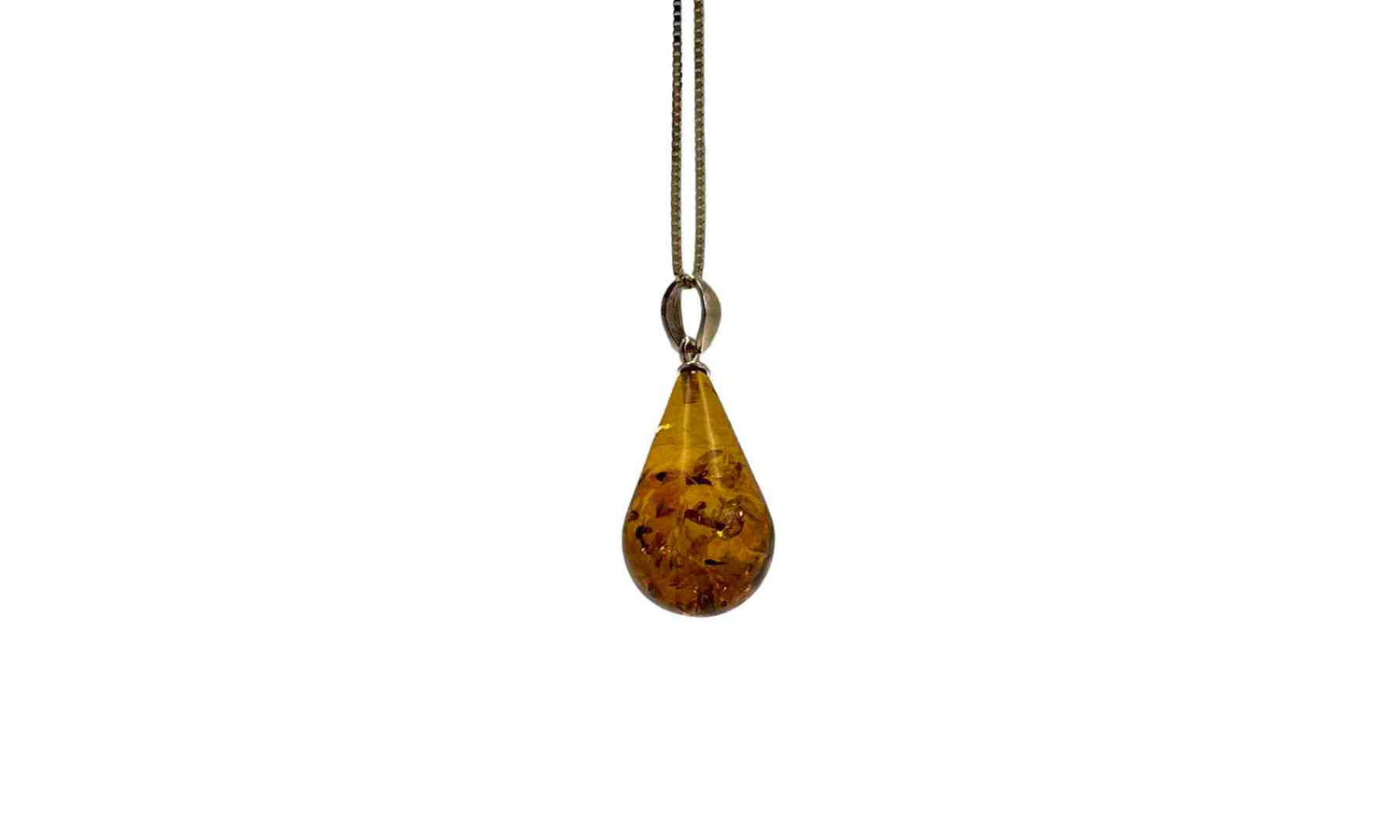
Why Authenticity Matters When Shopping for Genuine Baltic Amber
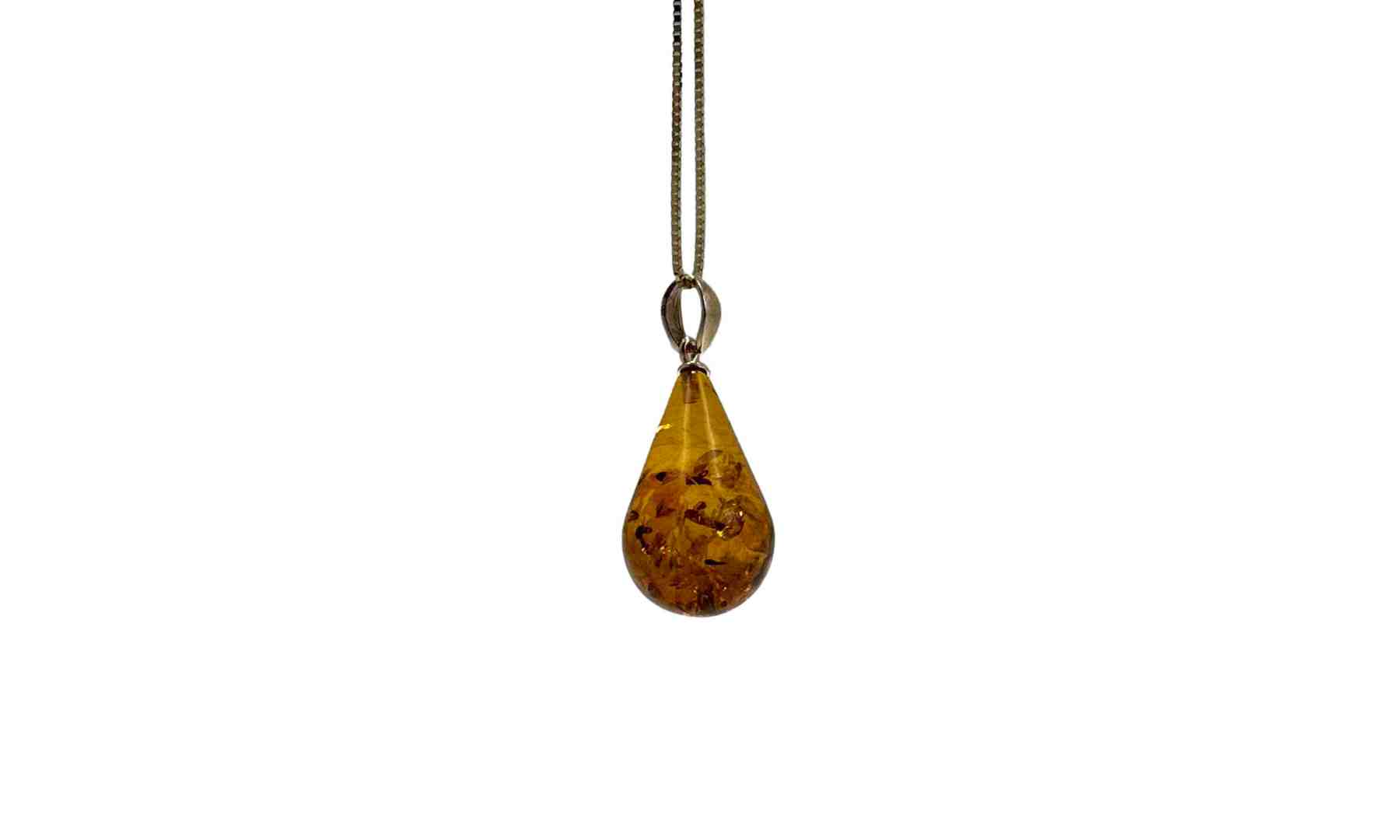
Real amber for sale can be found everywhere online and in stores, but knowing what you're actually buying is crucial. With the market flooded by convincing fakes—from cheap plastic to misleading copal resin—finding genuine Baltic amber requires knowledge and careful attention.
Quick Guide: What to Look For When Buying Real Amber:
- Source: Baltic region (especially Poland, Lithuania, Russia) produces the highest quality amber
- Warmth: Real amber feels warm to the touch, not cold like glass or plastic
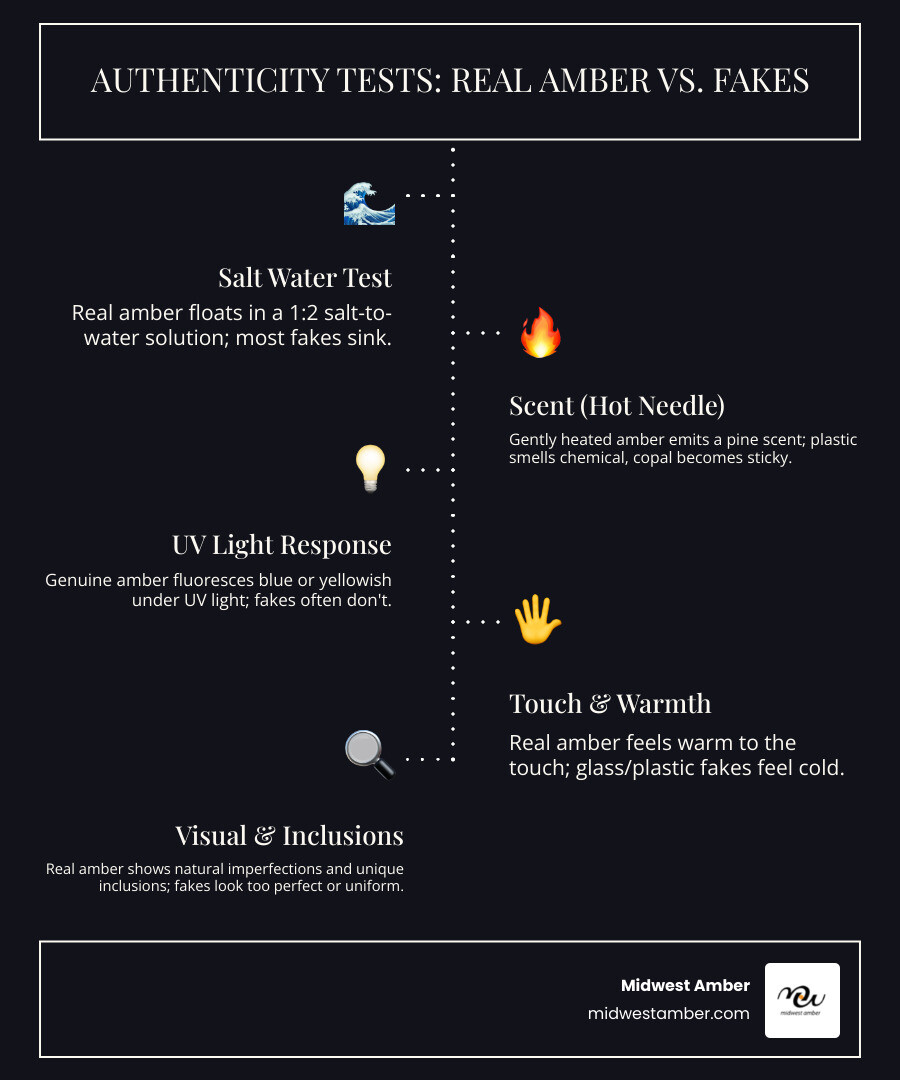
- Salt Water Test: Genuine amber floats in salt water (1:2 salt to water ratio)
- Scent: When heated, real amber releases a gentle pine or resinous smell
- Certification: Always request a certificate of authenticity from reputable sellers
- Price: If it seems too cheap, it probably isn't real—raw amber prices have increased dramatically
- UV Light: Genuine amber glows blue or yellowish under UV light
The biggest threat facing amber buyers today isn't just low quality—it's the expanding market of substitutes like copal, plastic, and glass that are marketed as genuine amber. These fakes have become so sophisticated that they're nearly indistinguishable to unfamiliar buyers. With transparent Baltic amber accounting for only 10% of all amber found, and rare colors like blue and green making up just 2% of the world's supply, the stakes for authenticity are high.
Real Baltic amber is fossilized tree resin that formed 40-50 million years ago. It's not technically a gemstone or mineral—it's ancient tree sap that underwent change over millions of years. This "Nordic Gold" can preserve prehistoric insects, plants, and even air bubbles, creating one-of-a-kind pieces that connect us to Earth's distant past.
I'm Gabriel Ciupek, President and owner of Midwest Amber, where I've spent years training teams to identify genuine Baltic amber and helping customers secure authentic pieces that meet their expectations. My experience in real amber for sale has taught me that education is the best defense against counterfeit products flooding today's market.
What is Real Amber and Why is Baltic Amber Superior?
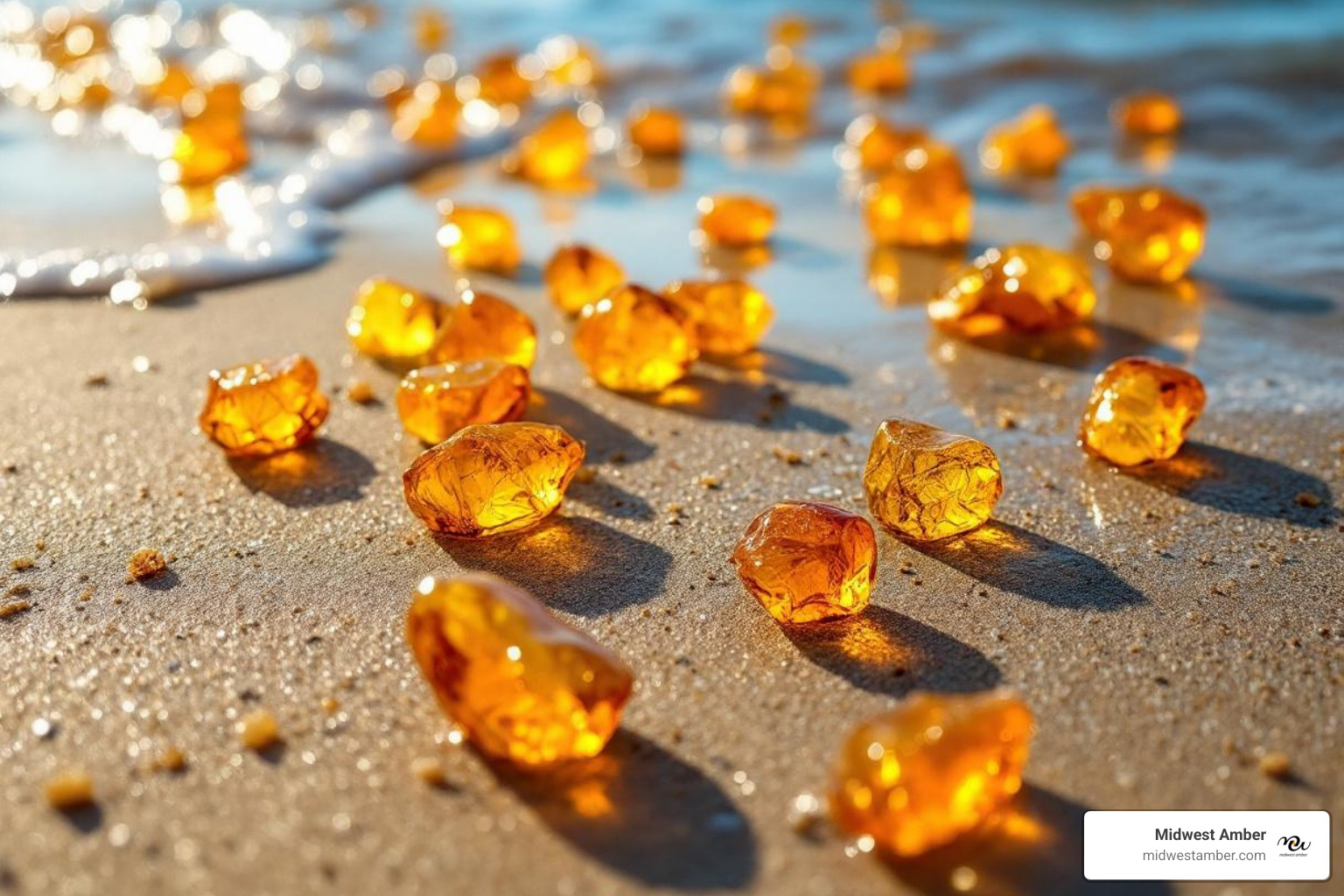
When we talk about real amber for sale, we're referring to fossilized tree resin, not a gemstone or mineral in the traditional sense. Imagine ancient forests, 30 to 50 million years ago, where pine trees oozed sticky resin to heal their wounds. Over millennia, this resin was carried by rivers to coastal regions, buried under layers of sediment, and underwent a remarkable change—a process called polymerization and fossilization. This is how the beautiful, organic material we know as amber came to be.
This incredible geological history is what gives amber its unique charm and value. It's a tangible link to prehistoric times, a window into ecosystems that existed millions of years ago. Historically, amber has been revered across cultures. Ancient Egyptians believed it could stop decay, even placing small pieces under the skin of mummies. Romans and Greeks saw it as having magical powers, and ancient physicians like Hippocrates documented its healing properties, particularly for ailments of the head, neck, and throat. This rich cultural and historical significance adds another layer to its allure. To dig deeper into its origins, explore The Amber Truth: Unlocking the Secrets of Genuine Stones.
Our focus at Midwest Amber is on Baltic amber, which we ethically source from Poland and Lithuania. While amber deposits exist worldwide, about 90% of the world's available amber resources, particularly the most sought-after variety, originate from the Baltic Sea region, with Kaliningrad being a major center. This specific origin contributes significantly to its quality and distinct characteristics.
The Unique Qualities of Baltic Amber
Baltic amber holds a special place in fossilized resins, widely regarded as the highest quality amber available. Why is this the case? Several factors contribute to its superior status:
Firstly, its age is truly remarkable, dating back 40 to 50 million years. This immense geological timeline ensures a complete fossilization process, resulting in a stable and durable material.
Secondly, Baltic amber is unique for its high concentration of succinic acid, typically up to 8%. This natural compound is often cited as the source of its believed therapeutic properties. Scientific research suggests that when amber is worn against the body, it may release natural oils that possess calming, analgesic, antispasmodic, and febrifuge qualities. This has led to its historical use in remedies for everything from rheumatism and arthritis to respiratory issues and even teething pain in babies. While we can't make medical claims, the historical and anecdotal evidence is compelling, and many of our customers in Arlington Heights, Chicago, and all our Illinois locations cherish their amber for these traditional benefits.
Finally, its natural beauty and versatility make it highly valued in jewelry. Amber is composed of approximately 79% carbon, 10.5% hydrogen, and 10.5% oxygen, alongside over 40 other compounds. Its low hardness (2-2.5 on the Mohs scale) makes it relatively easy to shape and polish, allowing our skilled artisans to craft stunning pieces that highlight its natural warmth and unique colors.
Other Amber-Producing Regions
While our expertise and offerings at Midwest Amber are centered around genuine Baltic amber, it's important to acknowledge that amber is found in other regions around the globe. These varieties, though beautiful in their own right, often exhibit different characteristics due to their unique geological formation processes and tree origins.
For example, Dominican amber, primarily found in the Dominican Republic, is known for its incredible clarity and a wider spectrum of colors, including rare blue and green hues. This type of amber is often showcased in rough, semi-polished, or museum-quality specimens, frequently containing stunning insect or plant inclusions. Similarly, Chiapas amber from Mexico also boasts impressive clarity and a range of colors.
Another notable source is Ukrainian amber. While it is genuine amber, it is generally not considered to be as precious or to possess the same high concentration of succinic acid as Baltic amber.
The key takeaway is that each region's amber has distinct properties. However, for its unique combination of age, succinic acid content, and exceptional preservation of ancient life, Baltic amber is widely recognized as the pinnacle of quality, which is why it forms the foundation of our collection at Midwest Amber.
Decoding Amber's Value: Color, Clarity, and Inclusions
When you're looking for real amber for sale, understanding what drives its value is key to making an informed purchase. Beyond simply being genuine, amber's worth is largely determined by a combination of factors: its color, clarity, the presence of captivating inclusions, and its size.
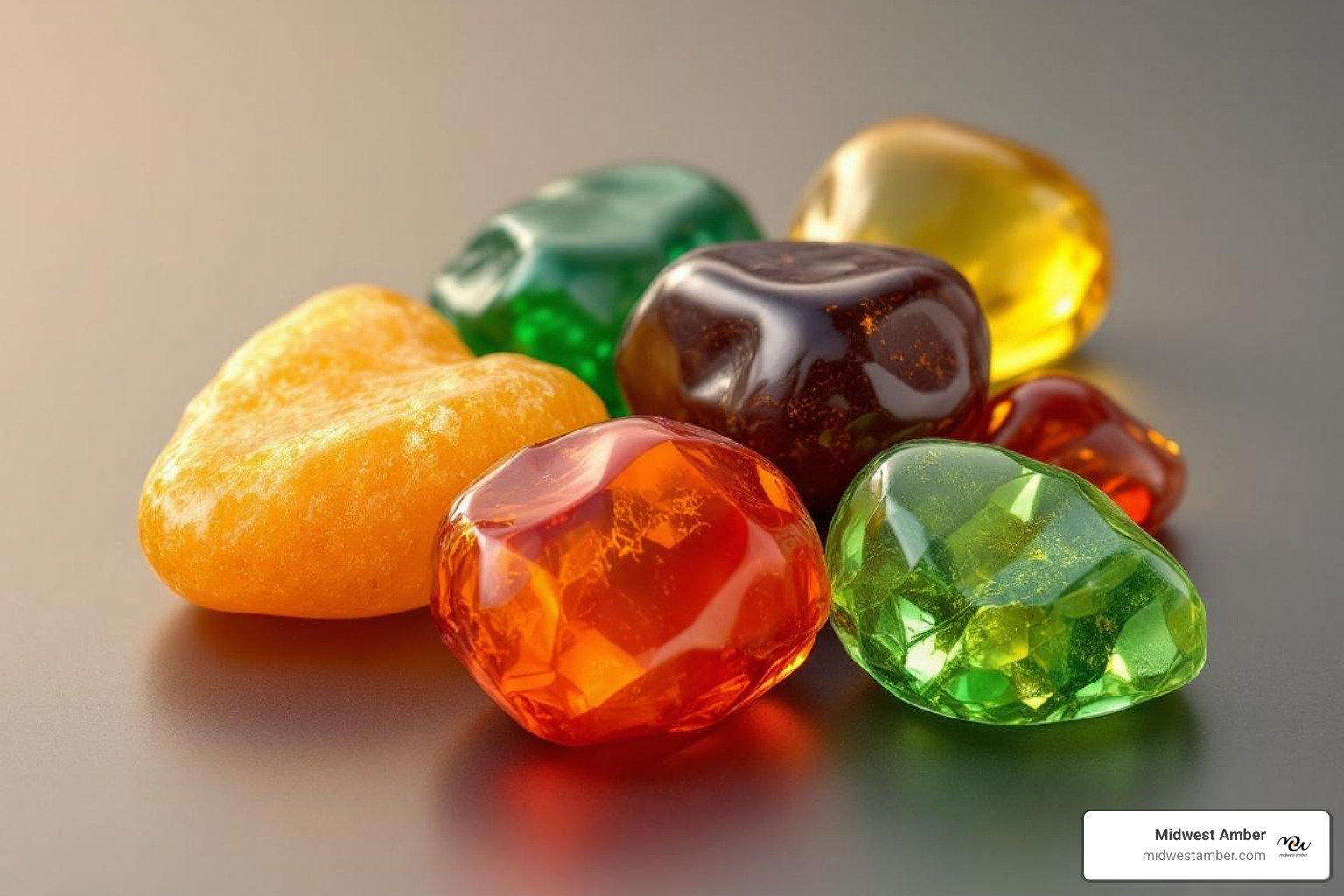
There are over 250 different natural shades of amber available, making each piece truly unique. Generally, transparent pieces are more highly valued, but certain opaque varieties, like butterscotch, are highly sought after. The size of the amber nugget also plays a role, with larger, well-formed pieces commanding higher prices.
Amber Colors and Their Rarity
The spectrum of Baltic amber colors is vast and enchanting, each with its own story of formation and rarity:
- Yellow Amber: This is the most common color, making up a significant portion of the supply. Its characteristic hue comes from thousands of tiny gas bubbles trapped within the resin during its evaporation in the sun's heat. These bubbles diffract light, creating that warm, golden glow. In a single square millimeter of yellow amber, there can be up to 2500 gas bubbles!
- Red "Cherry" Amber: Red amber is exceptionally rare and considered magical by many. Its deep, rich color is typically the result of natural oxidation processes over long periods, sometimes taking 50-70 years for the color change to fully develop.
- White "Royal" Amber: Accounting for only about two percent of the world's supply, white Baltic amber is distinctive. It forms when volatile materials of the resin evaporated very intensively, creating a foamy texture with an astonishing 1 million micro-bubbles per square millimeter. Historically, this rare variety was used to produce expensive medicine, particularly for heart ailments.
- Green Amber: Also rare and popular, greenish amber makes up roughly two percent of found amber. Its color is often attributed to the resin reacting with plant chlorophyll when it fell onto vegetation.
- Blue Amber: Blue Baltic amber is exceptionally rare, unusual, and highly expensive. It's often found within white amber and is believed to form when the resin interacted with pyrite-saturated soil, with pyrite intrusions entering small cracks of the resin. Its captivating blue hue is truly a sight to behold.
- Black Amber: Comprising about fifteen percent of found amber, black amber gets its color from the resin being thoroughly mixed with the remains of bark and leaf litter. This high impurity content can also make it more fragile and softer than other varieties.
Each color variation tells a tale of its ancient environment and the unique conditions of its fossilization. For a deeper dive into these captivating hues, explore Beyond the Shine: Exploring the Essence of Natural Baltic Amber.
The Magic of Inclusions: A Window to the Past
Perhaps one of the most mesmerizing aspects of amber is its ability to preserve ancient life. Inclusions—the tiny organisms or plant matter trapped within the fossilized resin—are truly a window to the past, offering invaluable scientific insights and significantly impacting the amber's rarity and value.
Imagine a drop of sticky resin oozing from a prehistoric pine tree. A tiny fly, a wasp, or even a flower might land on it, become hopelessly entangled, and then be perfectly preserved for millions of years. These "amber time capsules" capture moments in time, showcasing extinct species and providing clues about ancient ecosystems. We've seen incredible findies, like a wasp, flower, and fly trapped in amber revealing a 30-million-year-old microcosm.
Inclusions in amber are exceptionally well-preserved. While common finds include small prehistoric insects like flies, mosquitoes, wasps, beetles, termites, and ants, or plant fragments like conifer needles, pollen, and leaf fragments, rarer finds are highly prized. Findies such as queen ants (rare due to their size and lifecycle), spiders, centipedes, or even mating termites (as discussed in an interesting short article on mating termites) are particularly valuable. The oldest fossil evidence of nurturing behavior, like spider moms caring for their young, has also been found in amber, highlighting its scientific importance.
Pieces with well-preserved, identifiable, and rare inclusions like these are significantly more valuable due to their one-of-a-kind nature and the scientific information they provide. They are not merely beautiful; they are irreplaceable artifacts that connect us directly to a world long past.
The Ultimate Authentication Guide: Spotting Fakes and Treatments
Navigating the market for real amber for sale can feel like a treasure hunt, especially with the prevalence of convincing fakes. The biggest threat to genuine amber today is the expanding market of sophisticated substitutes—copal, plastic, glass, phenolic resin, and even "ambroid" (pressed amber)—which are often indistinguishable to the untrained eye. Raw amber prices have increased dramatically over the last two decades, unfortunately fueling the rise in falsification.
At Midwest Amber, we understand the importance of authenticity. Our 20+ years of experience and commitment to certified Baltic amber ensures that you receive genuine pieces. However, for those curious or cautious, knowing how to spot a fake is an invaluable skill. Our guide, Real or Resin? How to Tell if Your Amber Jewelry is Genuine, offers more detailed insights.
It's also important to understand that not all modifications are fakes. Genuine amber can undergo certain treatments to improve its appearance. For instance, heat treatment, often done in an autoclave, can be used to ensure clarity or create "sun spangles" within the amber, mimicking natural aging processes. While these are still real amber, it's a treatment to be aware of. Ambroid, or pressed amber, is also made from real amber dust and small fragments, pressed together under heat and pressure to form larger pieces. While still genuine amber material, it is less valuable than a single, naturally formed piece.
Simple Home Tests for your amber piece
While no home test is 100% foolproof, several simple methods can help you distinguish real amber for sale from common fakes. These tests rely on amber's unique physical and chemical properties:
| Test | Real Amber | Fakes (Plastic, Glass, Copal) |
|---|---|---|
| Warmth to Touch | Feels warm, soft, and light | Feels cold (glass), or plastic-y, heavier |
| Salt Water Test | Floats (1 part salt to 2 parts water) | Sinks (plastic, glass, copal usually sink, though some lightweight plastics might float) |
| Scent Test | Gentle pine or resinous scent when gently heated or rubbed | Chemical smell (plastic), no smell (glass), faint, sweeter resin smell (copal), or no smell |
| Hot Needle Test | Releases white smoke and a distinct pine fragrance (destructive, use with caution) | Melts, smells like burning plastic (plastic); no effect (glass); becomes sticky, emits sweet resin smell (copal) |
| UV Light Test | Exhibits a blue or yellowish glow | Shows minimal or no fluorescence (plastic, glass); some copal may show a light blue or green glow, but different from amber |
1. Warmth to the Touch: Real amber is an organic material and a poor conductor of heat. Hold it in your hand for a moment; it should feel warm to the touch, unlike glass or plastic, which will feel cool.
2. The Salt Water Test: This is one of the most popular and effective home tests. Mix about 1 part salt with 2 parts water until the salt dissolves completely. Genuine amber has a specific gravity that causes it to float in this solution, while most plastics, glass, and even copal will sink.
3. The Scent Test (Rub Test): Gently rub the amber piece vigorously with a cloth. Real amber, being fossilized resin, will emit a subtle, gentle pine or resinous scent when friction creates warmth. Fakes often have no smell, or a chemical odor (plastic), or a sweeter, less distinct resin smell (copal).
4. The Hot Needle Test (Use with Extreme Caution!): This test is destructive and should only be performed on an inconspicuous area, if at all. Heat a needle until it's red hot and then carefully press it into the amber. Real amber will produce white smoke and emit a clear pine-like fragrance, leaving a small, brittle mark. Plastic will melt and smell distinctly chemical, while glass will have no effect. Copal will become sticky and emit a sweeter, less robust resin smell.
5. UV Light Test: Under a UV (ultraviolet) light, genuine amber will often exhibit a characteristic blue or yellowish glow. This fluorescence is unique to real amber and can be a strong indicator of authenticity.
While these home tests can offer good clues, remember they are not definitive. Some sophisticated fakes can mimic these properties, and the hot needle test is destructive.
When to Seek an Expert
Given the increasing sophistication of fakes, home tests have their limitations. If you're investing in a significant piece of real amber for sale, especially with valuable inclusions or for collection purposes, we always recommend seeking expert verification.
The most reliable method for testing amber authenticity is spectrum analysis performed by a certified gemologist. This scientific process can definitively identify the chemical composition of the material, leaving no doubt about its authenticity. At Midwest Amber, we stand by the authenticity of our handcrafted, genuine Baltic amber, ethically sourced from Poland and Lithuania, and backed by over 20 years of experience. We provide certified authenticity with our pieces for your peace of mind.
The importance of certification cannot be overstated. A reputable seller will always be able to provide a certificate of authenticity, guaranteeing that your purchase is genuine Baltic amber. Don't compromise on this, especially for larger investments. For more detailed information on certification, refer to our guide: Don't Get Fooled: The Definitive Guide to Certified Baltic Amber.
Where to Find Real Amber for Sale and What to Look For
Finding real amber for sale in today's market requires diligence and a discerning eye. The unfortunate reality is that the market is rife with fakes and substitutes, making it crucial to know where to look and what questions to ask. At Midwest Amber, we pride ourselves on offering 100% natural, ethically sourced Baltic amber, and our 20+ years of experience have taught us the critical importance of reputable sourcing.
The dangers of the fakes market are significant. Not only do you risk spending money on a worthless imitation, but these fakes often lack the unique beauty, warmth, and believed therapeutic properties of genuine amber. Always insist on a certificate of authenticity for any significant purchase. This document, provided by a reputable seller, serves as your guarantee of genuineness. For more guidance on this, read Real Deal Amber: Where to Buy Certified Baltic Amber Jewelry.
Finding Reputable Sources for Real amber for sale
When searching for real amber for sale, your primary goal should be to find a reputable, trustworthy source. Here's what we recommend:
- Credentialed Exhibitors at Gem and Mineral Shows: Large, international wholesale gem and mineral shows often feature credentialed exhibitors specializing in amber. These venues are generally reliable for purchasing genuine amber jewelry and specimens. We've found that shows like the JOGS International Exhibits Show are excellent places to find reputable dealers.
- Specialized Online Stores with Certification: If you prefer shopping online, look for retailers that specialize exclusively in amber and explicitly state their commitment to authenticity. They should offer detailed product descriptions, high-quality images, and, most importantly, provide a certificate of authenticity with every purchase. Systems like the Amber Standard - Baltic Amber Certification System exist to help verify the authenticity of Baltic amber.
- Local Jewelers with Expertise: While amber isn't as common as diamonds or gold, some local jewelers, particularly those in areas with a strong European heritage like our communities in Arlington Heights, Barrington, Chicago, and throughout Illinois, may specialize in or carry genuine Baltic amber. Look for jewelers with established reputations and a clear understanding of amber's characteristics.
At Midwest Amber, we are committed to being that reputable source for our customers across Illinois and beyond. Our extensive experience and direct sourcing from trusted manufacturers in Poland and Lithuania ensure that every piece we offer is genuine Baltic amber, handcrafted with care.
Popular Types of Amber Jewelry
Once you've identified a trustworthy source for real amber for sale, you'll find a world of beautiful jewelry options. Amber's versatility, combined with its natural warmth and unique aesthetic, makes it suitable for a wide range of designs. Here are some of the most popular types of amber jewelry we offer and that you'll find on the market:
- Necklaces: From delicate pendants to statement-making beaded strands, amber necklaces are a timeless choice. Many also seek out amber necklaces for their believed therapeutic properties, particularly for teething babies.
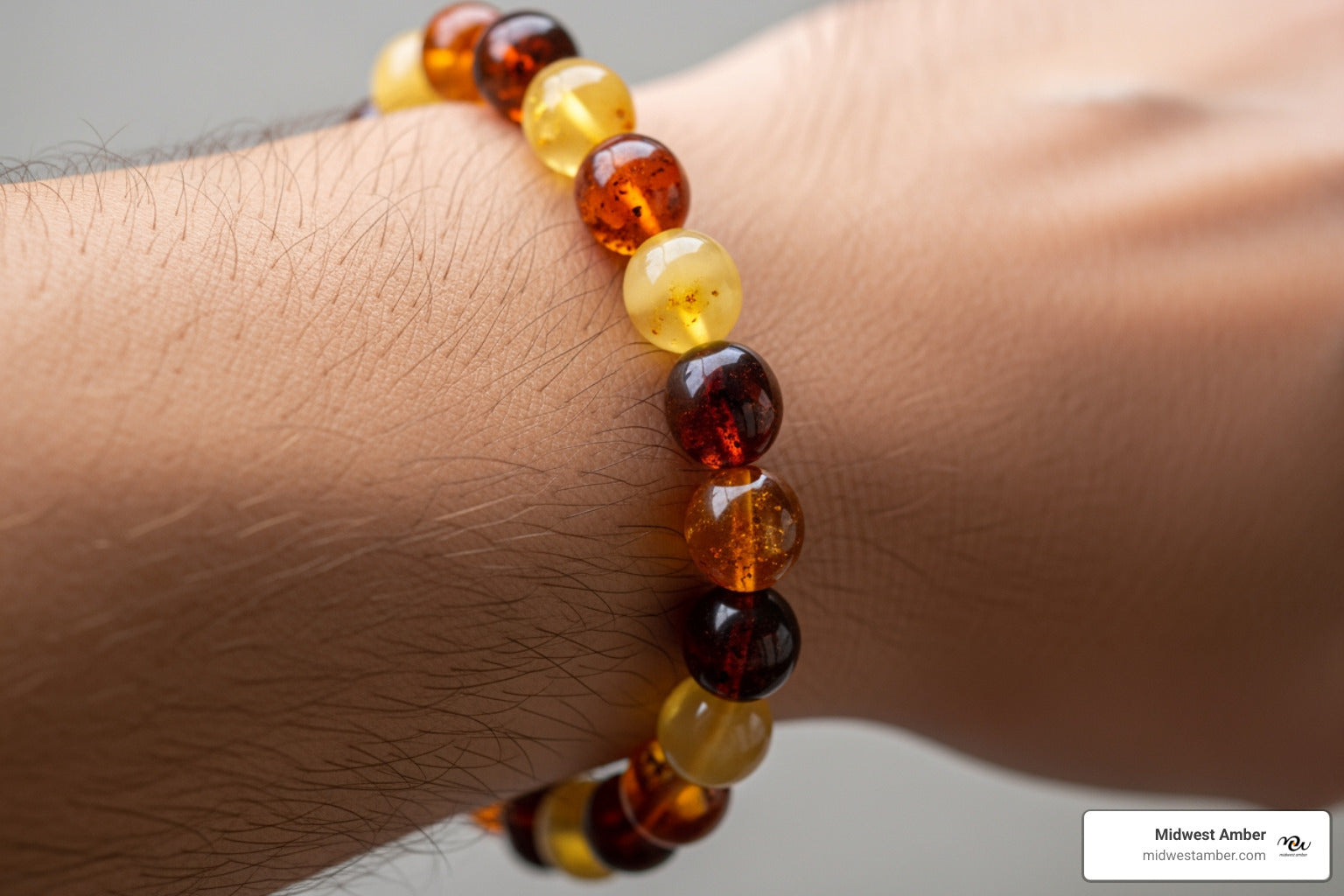
- Bracelets: Amber bracelets, whether elasticated bead designs or more elaborate sterling silver settings, are popular for both their beauty and the belief in succinic acid's benefits when worn close to the skin.
- Rings: Amber rings showcase the individual beauty of each stone. They are often set in sterling silver, allowing the amber's natural color and clarity to shine.
- Earrings: Available in various styles, from subtle studs to dangling designs, amber earrings add a touch of natural elegance.
- Pendants: Amber pendants are incredibly diverse, featuring raw, polished, or carved amber, sometimes with captivating inclusions, making each piece truly unique.
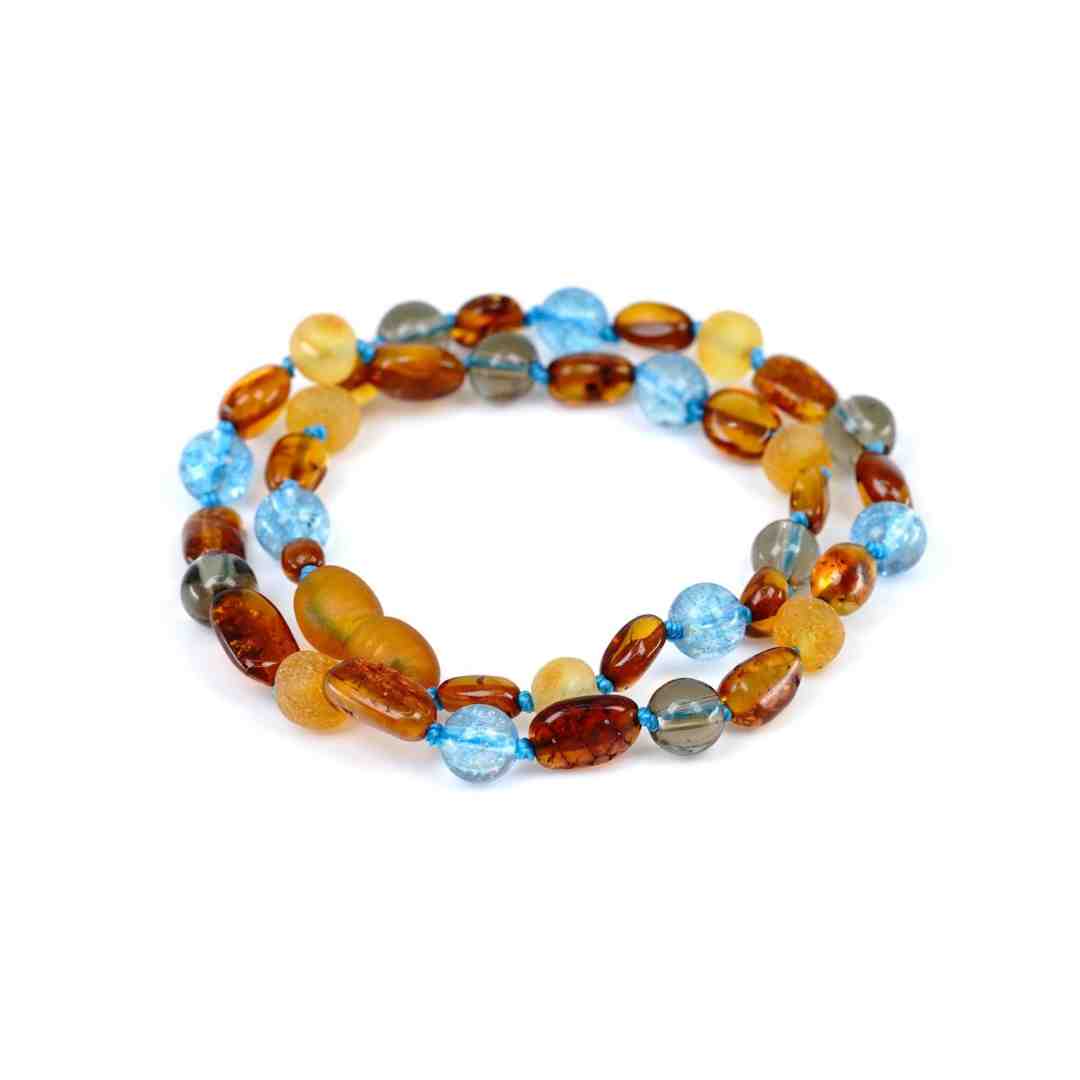
- Teething Necklaces/Bracelets: Specifically designed for babies and children (though always with safety in mind and never to be chewed), these pieces are widely used by parents who believe in amber's natural soothing qualities during teething.
- Amber Art Pieces & Raw Specimens: Beyond wearable jewelry, many appreciate raw amber specimens or handcrafted amber art for their natural beauty and as decorative items.
Amber jewelry is typically carved and polished into free-form shapes, cabochons (domed, polished stones), or beads. While less common, transparent amber can sometimes be faceted, adding another dimension to its sparkle. For a comprehensive look at the various forms amber jewelry takes, consult The Ultimate Guide to Buying Real Amber Jewelry: Rings, Earrings, and Beyond.
Frequently Asked Questions about Buying Amber
We often hear many questions from our customers in our Illinois locations and online about real amber for sale. Here are some of the most common ones we address:
Why is Baltic amber considered the highest quality?
Baltic amber is prized for its age (40-50 million years), high concentration of succinic acid (up to 8%), and exceptional preservation of inclusions, making it both historically and scientifically significant. Its unique geological formation in the Baltic Sea region has resulted in a material that is not only beautiful but also holds deep historical and scientific value, often believed to carry therapeutic properties best by other amber varieties. Our commitment at Midwest Amber is to bring you this superior quality amber, ethically sourced from Poland and Lithuania.
Are amber pieces with insect inclusions always more valuable?
Yes, pieces with well-preserved, identifiable, and rare inclusions like insects, spiders, or plant matter are significantly more valuable due to their one-of-a-kind nature and scientific importance. These inclusions offer a rare glimpse into ancient ecosystems, making them highly sought after by collectors and scientists alike. The clearer the amber and the more distinct and rare the inclusion, the higher its value.
How should I care for my amber jewelry?
Caring for your amber jewelry properly is essential to ensure its longevity and maintain its natural beauty. Amber is an organic material, and while durable, it is softer than traditional gemstones (2-2.5 on the Mohs scale). Clean amber gently with a soft cloth and lukewarm water. You can use a very mild detergent if necessary, but rinse thoroughly afterward. Avoid harsh chemicals, solvents (like nail polish remover or perfumes), and alcohol, as these can damage the amber's surface or cause discoloration. High heat and strong, direct sunlight should also be avoided, as prolonged exposure can dry out and crack the amber. Never use ultrasonic cleaners or steam cleaners, as their vibrations and heat can cause irreparable damage. With proper care, your genuine amber piece from Midwest Amber will remain a cherished item for years to come.
Conclusion
Navigating the market for real amber for sale is a challenge, but with the right knowledge, you can confidently acquire genuine pieces. We've explored amber's origins, why Baltic amber is the highest quality, and how color, clarity, and inclusions create its value. Most importantly, we've equipped you with practical knowledge to spot fakes and know when to seek expert verification.
The timeless beauty of genuine amber, whether as jewelry or a specimen with ancient inclusions, connects us to Earth's distant past. At Midwest Amber, we are passionate about bringing you authentic, handcrafted Baltic amber, ethically sourced from Poland and Lithuania. With over 20 years of experience, we stand by the certified authenticity of our collection, ensuring you receive a treasure that is as real as it is beautiful.
We invite you to explore our exquisite selection and find your perfect piece. Find the unparalleled quality and charm that only authentic Baltic amber can offer. Your journey to owning a truly genuine piece begins with informed choices and trusted sources.
The Ultimate Collection: Find Your Perfect Baltic Amber Piece

Leave a comment
This site is protected by hCaptcha and the hCaptcha Privacy Policy and Terms of Service apply.