


Understanding the Amber Teething Anklet Phenomenon
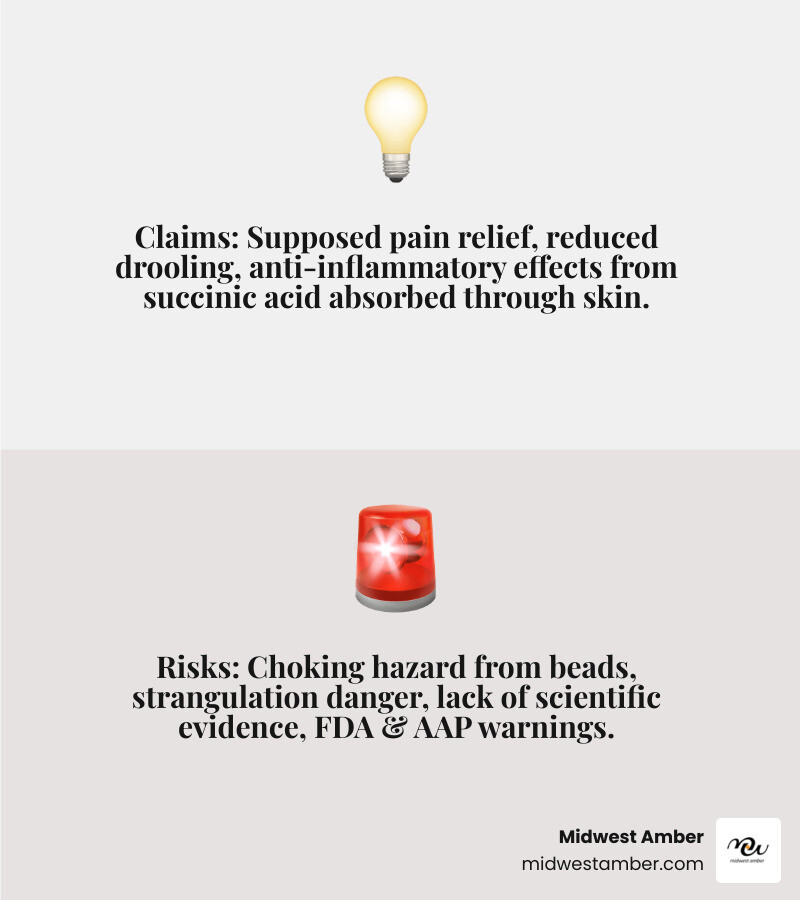
A teething amber anklet is a piece of jewelry made from Baltic amber beads that some parents place on their baby's ankle, believing it will naturally relieve teething pain. The theory suggests that body heat releases succinic acid from the amber, which is then absorbed through the skin to provide anti-inflammatory and analgesic effects.
Quick Facts About Teething Amber Anklets:
- What it is: Jewelry made from fossilized tree resin (Baltic amber) worn on a baby's ankle
- How it's claimed to work: Body heat releases succinic acid through the skin for pain relief
- Scientific evidence: Studies show succinic acid release is far below therapeutic levels
- Safety concerns: FDA and AAP warn of choking and strangulation risks
- Physician recommendation rate: Only 8.5% of doctors recommend amber jewelry for teething
- Key risk: Suffocation is the leading cause of death for children under one year old
The promise is appealing—a natural, chemical-free solution for your baby's discomfort. The reality is more complicated.
Parents desperate to soothe their teething babies often turn to amber anklets after seeing glowing testimonials on social media or hearing recommendations from other parents. These small beads, sourced from ancient fossilized resin, have become surprisingly popular in recent years. Yet behind this trend lies a significant gap between what's claimed and what's proven, along with documented safety risks that every parent should understand.
Some parents swear by them, reporting calmer babies and reduced drooling. Others see no difference at all. Meanwhile, health organizations including the FDA and American Academy of Pediatrics have issued clear warnings about the dangers these products pose.
I'm Gabriel Ciupek, and as the owner of Midwest Amber, Inc., I've spent years working directly with Baltic amber and educating customers about both its genuine properties and the many misconceptions surrounding products like the teething amber anklet. This guide will help you separate fact from folklore so you can make an informed decision for your child.
Key teething amber anklet vocabulary:
What Are Amber Teething Anklets and How Are They Claimed to Work?
When your little one begins to fuss, drool, and gnaw on everything in sight, it's a clear sign: teething has begun! For many parents in our local communities like Arlington Heights, Barrington, and Lake Zurich, the search for relief often leads to natural remedies, and the teething amber anklet has emerged as a popular choice. But what exactly are these small, beaded pieces of jewelry, and how do they supposedly work their magic?
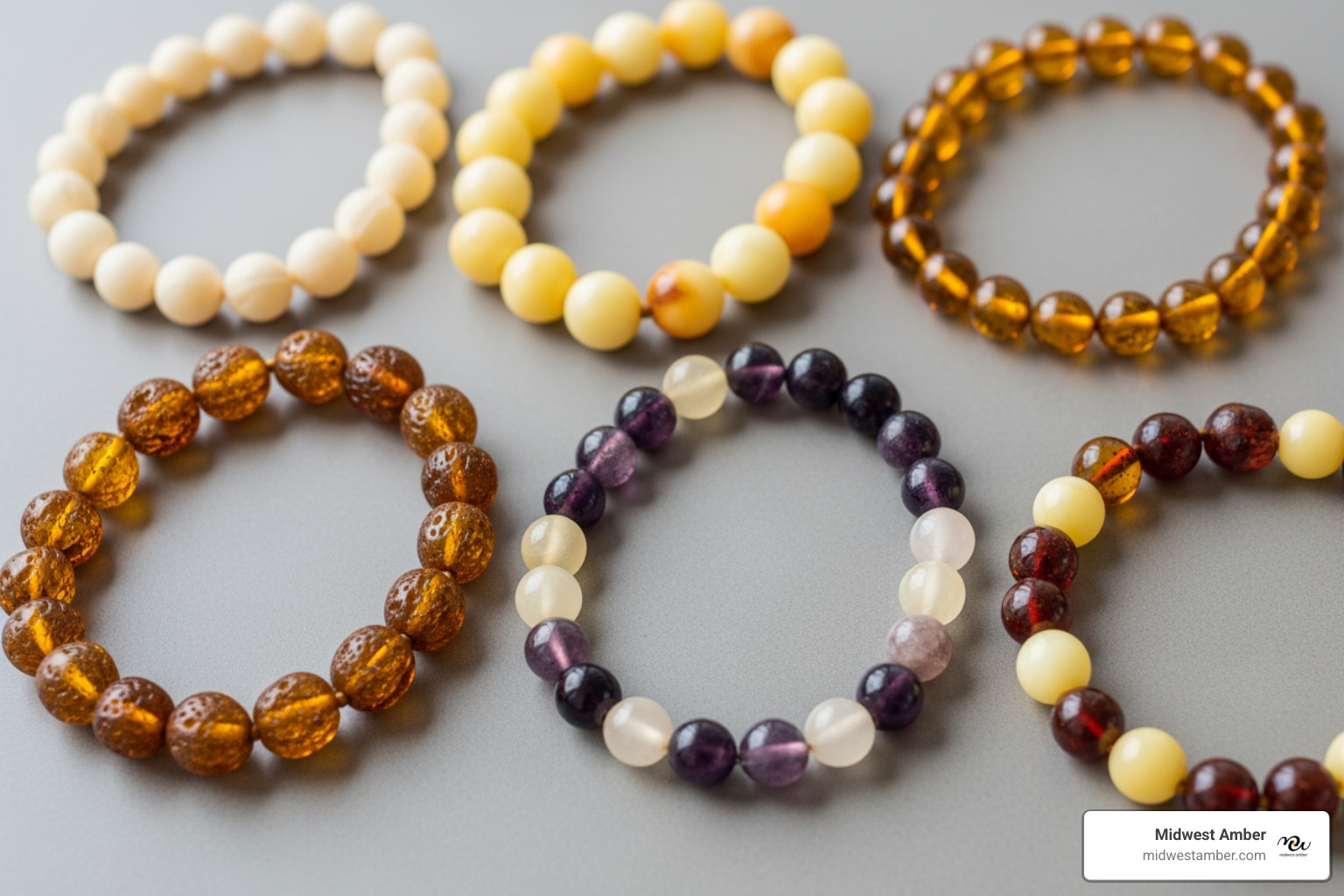
At its core, a teething amber anklet is crafted from Baltic amber, which is fossilized tree resin, not a stone. This ancient organic material, primarily sourced from regions like Poland and Lithuania, has been used for centuries in traditional medicine. The central claim behind its use for teething is that when Baltic amber warms against the skin, it releases a substance called succinic acid. This acid is then believed to be absorbed into the bloodstream, where it acts as a natural anti-inflammatory and analgesic, easing your baby's discomfort.
We at Midwest Amber have experience with the beauty and purported properties of genuine Baltic amber. To learn more about the authentic material, you can explore The Amber Truth: Unlocking the Secrets of Genuine Stones.
What is a teething amber anklet and how is it supposed to work?
The theory suggests that the succinic acid within the amber is the key player. Baltic amber contains 3-8% succinic acid, a compound found naturally in almost every cell in the human body and used in contemporary medicine. Proponents claim that as your baby's body temperature warms the amber beads, microscopic amounts of this acid are released and absorbed through the skin. Once absorbed, it's believed to act as an anti-inflammatory, reducing swelling in the gums, and as an analgesic, alleviating pain. Some even suggest it helps reduce drooling, acts as an anti-spasmodic for teething-related diarrhea, and serves as an expectorant and anti-fever remedy.
The idea is to provide a continuous, low-dose therapeutic effect without the need for oral medications or gels. Parents often report that their babies become calmer, sleep better, and experience less overall distress when wearing a teething amber anklet. However, we must also acknowledge that scientific studies have indicated that the amount of succinic acid released from amber beads when warmed by the skin is far below the level that exhibits anti-inflammatory activity, let alone a therapeutic effect. For a deeper dive into succinic acid's properties, you can visit More on Succinic Acid's properties.
Types and Styles of Amber Jewelry
Just like any jewelry, teething amber anklets and bracelets come in a variety of styles and finishes. When you're considering amber jewelry for your little one, you might encounter:
- Raw vs. Polished Amber: Raw (or unpolished) amber beads retain their natural, matte texture, sometimes believed to be more potent due to increased surface area for succinic acid release. Polished amber beads are smooth and shiny, which many find more aesthetically pleasing and comfortable against the skin. For 99.99% of babies, any color, polish, or shape is claimed to work well, though this is anecdotal.
- Bead Shapes: Common shapes include round, baroque (irregular, organic shapes), and chip beads. Baroque and round beads are often favored for anklets due to their comfort and appearance.
- Color Variations: Amber comes in a spectrum of beautiful, natural hues, including honey (golden yellowish brown), cherry (darker brown, sometimes black), lemon (pale yellow), milk (whitish yellow), cognac, and multi-color or rainbow variations that blend several shades. Each color is natural, determined by when the amber was mined.
- Anklets and Bracelets: While often marketed as "teething necklaces," anklets and bracelets are also popular, offering a safer alternative for placement on a baby's limb rather than around their neck. The length for a baby's anklet typically ranges from 4.7 to 6.3 inches (12cm to 16cm), with 5.5 inches (14cm) being a common size.
Whether it's an anklet or a necklace, the principles of purported relief remain the same. For more insights into selecting amber jewelry, you can read Beyond the Bite: Finding the Perfect Teething Necklace for Your Little One.
The Scientific Verdict: Evidence, Experts, and Official Warnings
The allure of a natural remedy for teething pain is powerful, especially for exhausted parents. However, when we move beyond anecdotal stories and look at the scientific evidence, the picture becomes much clearer. The scientific community and major health organizations have largely debunked the claims surrounding the effectiveness of a teething amber anklet and similar products, while simultaneously highlighting significant safety concerns.

Despite passionate testimonials from some parents, there is a distinct lack of peer-reviewed scientific studies supporting the efficacy of amber teething jewelry. Many experts suggest that any perceived relief might be attributed to a placebo effect, where the belief in a treatment leads to a real or imagined improvement in symptoms. While a survey of 29 people showed that all but 4 stated amber necklaces relieved pain and discomfort, this is anecdotal and not scientific proof.
Scientific analysis has shown that the release of succinic acid from amber beads, even when warmed by body temperature, is far below the level required to produce any anti-inflammatory or analgesic effect. In fact, if high concentrations of succinic acid were to be released and absorbed, it could potentially be cytotoxic (cause cell death) and immunosuppressive, which is certainly not what we want for our little ones. For a critical review of these claims, we recommend reading The Truth Behind the Amber Teething Necklaces.
When it comes to medical professionals, the consensus is overwhelmingly against these products. A survey revealed that only a tiny fraction—just 8.5%—of physicians recommend amber necklaces for teething symptoms. This stark statistic underscores the medical community's skepticism regarding their benefits.
What Health Organizations Say (FDA & AAP)
The leading health organizations in the United States have taken a firm stance against the use of amber teething jewelry, including the teething amber anklet. Their warnings are based on both the lack of proven effectiveness and, more critically, the serious safety risks involved.
The American Academy of Pediatrics (AAP) advises parents against allowing infants to wear any jewelry. This general recommendation stems from the understanding that jewelry on babies poses inherent dangers. You can find more details in the AAP Policy on Choking Prevention.
The U.S. Food and Drug Administration (FDA) has gone even further, issuing an official warning in December 2018 regarding teething jewelry. This warning came after receiving numerous reports of serious injuries and even deaths associated with these products. Incidents included children choking on beads that broke off and, tragically, an 18-month-old child being strangled to death by an amber necklace during a nap. While these specific incidents involved necklaces, the choking and strangulation risks are equally pertinent to anklets if they snag or break, or if beads come loose. The FDA explicitly states that these products are not safe and do not provide the claimed benefits. For the full FDA safety communication, please refer to FDA Safety Communication on Teething Jewelry.
These warnings from respected medical and regulatory bodies are not to be taken lightly. They represent a strong consensus that the potential dangers far outweigh any unproven benefits.
The Real Risks: Choking and Strangulation
The most alarming aspect of teething amber anklets and other amber jewelry for babies is the very real and documented safety hazards they present. These risks are precisely why health organizations like the FDA and AAP issue such strong warnings.
- Choking Hazard: The small beads that make up an amber anklet can break off, especially if the child chews on them (which babies are prone to do during teething) or if the string degrades over time. If a bead is swallowed, it poses a significant choking risk. We know that suffocation is the leading cause of death for children under a year old and remains among the top five causes of death for children between the ages of 1 and 4.
- Strangulation Hazard: While an anklet is worn on the ankle, not the neck, there is still a risk of mess. A baby could snag the anklet on crib railings, clothing, or other objects, leading to strangulation. This risk is particularly high during sleep or when the child is unsupervised. The tragic case of an 18-month-old strangled by an amber necklace during a nap serves as a stark reminder of these dangers. Even a case where a baby experienced petechiae (small red spots on the skin) on their face due to sleeping with an amber necklace highlights the potential for non-fetal strangulation.
- Bacterial Colonization: Amber beads, like any surface, can harbor bacteria. This is particularly concerning if the beads are frequently in or near a baby's mouth, potentially increasing the risk of infection.
These are not hypothetical dangers; they are documented risks that have led to injuries and fatalities. We strongly believe that understanding these risks is paramount for any parent considering a teething amber anklet. For a heartbreaking personal account of these risks, please read Baby Deacon's Story: The Real Risks of Amber Teething Necklaces. For further cautionary advice, HealthyChildren.org offers A Caution for Parents from HealthyChildren.org.
The Great Debate: Risks vs. Anecdotes of the Teething Amber Anklet
It's clear there's a divide between the scientific and medical community's warnings and the experiences of many parents. The "great debate" surrounding the teething amber anklet often boils down to documented risks versus compelling anecdotal evidence.
We frequently see customer reviews and parent testimonials glowing with praise for amber anklets. Parents share stories in online forums and social media, describing how their babies became calmer, drooled less, and seemed to suffer less once they started wearing a teething amber anklet. In fact, one survey of 29 people indicated that all but 4 participants believed amber necklaces relieved teething pain and discomfort. These personal accounts are powerful and understandable; when your child is in pain, and you find something that seems to help, it's natural to champion it. This perceived effectiveness is often attributed to a placebo effect, where the act of using a remedy, combined with parental hope and observation bias, can lead to subjective relief.
However, as we've discussed, these positive anecdotes exist alongside serious, documented safety concerns. To help visualize this dilemma, we've created a table comparing the common anecdotal benefits with the scientifically and medically documented risks:
| Anecdotal Benefits (Reported by Parents) | Documented Risks (Identified by Health Organizations) |
|---|---|
| Baby seems calmer and happier | Choking hazard if beads break off |
| Reduced drooling | Strangulation hazard, especially during sleep or unsupervised wear |
| Less fussiness and crying | Lack of scientific evidence for efficacy |
| Improved sleep | Potential for bacterial colonization on beads |
| Natural, chemical-free pain relief | No proven release of succinic acid at therapeutic levels |
| Relief from red cheeks and swollen gums | Official warnings from FDA and AAP against use |
This comparison highlights the core of the debate. While parents are seeking genuine relief for their children, the scientific and medical communities are prioritizing safety and evidence-based care. For a deeper dive into these contrasting perspectives, you can explore Beyond the Hype: Unpacking the Risks of Amber Teething Necklaces.
Guidelines for using a teething amber anklet safely
Despite the warnings from health organizations, some parents in places like Glenview, Northbrook, and Palatine may still choose to use a teething amber anklet for their child, relying on personal belief or anecdotal success. If you decide to go this route, it is absolutely critical to prioritize safety above all else. We cannot stress enough the importance of stringent precautions to minimize the inherent risks.
Here are essential guidelines to follow if you choose to use a teething amber anklet:
- Always Supervise the Child: Never leave your baby unattended while they are wearing any jewelry, including an amber anklet. This means constant supervision.
- Remove During Naps and Bedtime: This is perhaps the most crucial rule. The risk of strangulation is significantly higher when a baby is sleeping. Always remove the anklet before naps and bedtime, whether day or night.
- Ensure a Snug, Not Tight, Fit: The anklet should fit comfortably around the ankle, allowing for some movement but not so loose that it can easily snag or be pulled off. A good rule of thumb is that you should be able to fit one or two fingers snugly underneath the anklet. For babies, we suggest using the string method to measure and ensure about 3 fingers can fit inside for a proper fit.
- Check for Damage Regularly: Before each use, carefully inspect every bead and the string for any signs of wear, cracks, chips, or fraying. If you notice any damage, discontinue use immediately.
- Choose Designs with Safety Features: Look for anklets where each bead is individually knotted on the string. This design helps prevent all beads from scattering if the anklet breaks. Also, opt for clasps that are secure, like screw clasps, which offer greater security than magnetic or hook types.
- Not for Chewing: Emphasize to anyone caring for your child that the anklet is for wearing, not for chewing. If your child attempts to put it in their mouth, remove it.
- Consider Alternatives: Even if you choose to use an anklet, have safer, evidence-based teething relief methods readily available.
For more comprehensive advice on jewelry safety, particularly for bracelets and anklets, please consult Unraveling the Risks: A Guide to Amber Bracelet Safety.
How to Spot Authentic Baltic Amber
Given the claims and the premium often associated with genuine Baltic amber, ensure you're purchasing an authentic product. Unfortunately, the market is rife with imitations made from plastic, glass, or other resins. These fake products not only fail to offer any purported benefits but may also introduce unknown chemicals or break more easily, creating additional safety hazards.
At Midwest Amber, we pride ourselves on offering handcrafted, 100% natural, ethically sourced Baltic amber from Poland and Lithuania. We have over 20 years of experience in the industry and stand by the certified authenticity of our products. When seeking genuine Baltic amber, especially for a teething amber anklet, consider these points:
- Reputable Sellers: Purchase from well-established organizations with a solid reputation and clear roots in the Baltic region. Be wary of overly cheap products or sellers who cannot provide details about their sourcing.
- Certificates of Authenticity: A trustworthy seller should be able to provide a certificate of authenticity, often verified by gemological institutes. We provide certificates of authenticity upon request.
- Visual and Tactile Clues: Genuine amber is warm to the touch, not cold like glass. It's also relatively lightweight. Fake amber might feel heavier or colder. Natural amber beads will vary slightly in color, shape, and texture; it's rare to find two beads that are exactly identical.
-
DIY Tests (with caution): While not foolproof, some common tests include:
- Saltwater Test: Genuine amber floats in saltwater (about 2 parts water to 1 part salt), while most fakes sink.
- Hot Needle Test (use extreme caution!): A heated needle touched to amber will leave a resinous pine smell and a small mark. Plastic will melt and smell like plastic. Do not try this on a child's anklet or if you are unsure.
- UV Light Test: Genuine amber often fluoresces (glows) under UV light.
We believe in transparency and empowering our customers with knowledge. To dig deeper into identifying genuine amber, we encourage you to read Real or Resin: How to Tell if Your Amber Jewelry Is Genuine.
Supporting Your Teething Baby: Comfort and Safety First
As parents, our primary goal is always the well-being of our children. When teething strikes, the instinct to alleviate pain and discomfort is incredibly strong. While the teething amber anklet remains a topic of debate, our commitment is to provide clear, factual information so you can make choices that prioritize your baby's comfort and, most importantly, their safety.
Moving beyond the controversy, we want to focus on supportive, evidence-based approaches that offer genuine relief without introducing unnecessary risks. In our communities across Illinois, from Crystal Lake to Schaumburg, we hear from parents daily who are navigating the ups and downs of teething. It's a challenging phase, but with the right tools and information, you can help your little one through it.
Tips for Soothing Teething Discomfort
Here are some safer, evidence-based alternatives and comfort measures recommended by health professionals for soothing teething pain:
- Gently Massaging Gums: Use a clean finger or a soft, moistened gauze pad to gently rub your baby's gums. The pressure can provide temporary relief from soreness.
- Cold, Wet Washcloth (Supervised): Offer your baby a clean, cold, damp washcloth to chew on. You can even twist and freeze it slightly for added relief. Always supervise your baby to prevent choking.
- Teething Rings and Toys: Provide firm rubber teething rings or toys that are specifically designed for chewing. Look for BPA-free options. Refrigerating these can offer extra comfort, but avoid freezing them solid as they can become too hard and potentially damage gums.
- Chilled Foods (for older babies): For babies who have started solids, offer cold, soft foods like chilled applesauce, yogurt, or pureed fruit. Cold fruits and vegetables (e.g., a chilled cucumber slice) can also be offered, but again, always with close supervision to prevent choking.
- Extra Cuddles and Reassurance: Sometimes, the best medicine is simply your presence. Extra snuggles, comforting words, and distraction can go a long way in soothing a fussy baby.
- Pain Relievers (Consult Pediatrician): If your baby is particularly distressed, speak with your pediatrician about appropriate over-the-counter pain relievers, such as infant acetaminophen or ibuprofen (for babies over 6 months). Always follow dosage instructions carefully.
- Avoid Harmful Products: Steer clear of teething gels or creams that contain benzocaine, as these are not recommended for infants and can be harmful. Also avoid homeopathic teething tablets, which have been linked to serious adverse events.
Always consult your pediatrician if you have concerns about your baby's teething symptoms, especially if they are accompanied by a high fever, diarrhea, or unusual fussiness. They can provide personalized guidance and rule out other potential health issues.
Conclusion: Making an Informed Choice for Your Baby
The journey through teething can be one of the most challenging for both babies and their parents. While the teething amber anklet has gained considerable popularity as a natural remedy, it's clear that separating fact from folklore is essential for your child's safety and well-being.
We've explored the claims that amber, particularly Baltic amber, releases succinic acid to provide anti-inflammatory and pain-relieving effects. While succinic acid itself has recognized properties, scientific studies have shown that the amount released from amber beads by body heat is far too low to have any therapeutic effect. This leaves the perceived benefits largely in the field of anecdotal evidence and the placebo effect.
Crucially, we've highlighted the significant and documented safety risks associated with wearing a teething amber anklet or any similar jewelry on an infant. The American Academy of Pediatrics (AAP) unequivocally advises against infants wearing jewelry, and the U.S. Food and Drug Administration (FDA) has issued official warnings due to reports of choking and strangulation incidents. These are not minor concerns; they represent serious threats to a child's life.
The decision to use a teething amber anklet rests with you, the parent. However, we urge you to make that decision armed with all the facts: understanding the lack of scientific proof for effectiveness, and fully acknowledging the serious choking and strangulation hazards. Prioritizing your child's safety and opting for evidence-based comfort measures should always be the guiding principle.
At Midwest Amber, we are passionate about genuine Baltic amber and its beauty. We believe in educating our customers about the true nature of this remarkable material. For those interested in learning more about what amber jewelry is and its rich history, please visit Learn more about what amber jewelry is and its history.


Leave a comment
This site is protected by hCaptcha and the hCaptcha Privacy Policy and Terms of Service apply.