

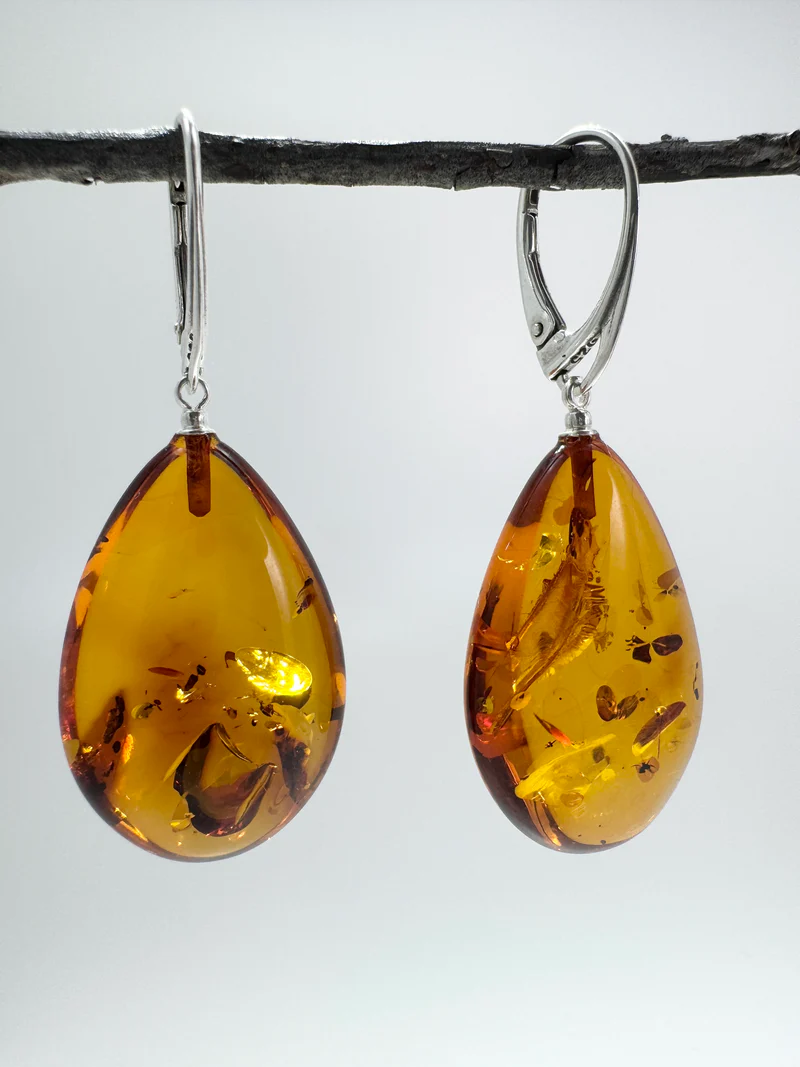
Why Lithuanian Amber Holds a Special Place in History and Hearts

Lithuanian amber is fossilized tree resin from ancient pine forests that grew along the Baltic Sea coast approximately 40-60 million years ago. This golden gem, known locally as Gintaras (meaning "to protect"), represents far more than a beautiful stone—it embodies the soul of Lithuania itself.
Quick Facts About Lithuanian Amber:
- Origin: Fossilized resin from prehistoric conifer forests in the Baltic region
- Age: 40-60 million years old (Eocene epoch)
- Unique Feature: Contains 3-8% succinic acid, found in no other amber variety
- Global Significance: Lithuania and the Baltic region account for 80% of the world's amber deposits
- Cultural Role: Lithuania's national gem, deeply woven into mythology, trade, and daily life for over 6,000 years
- Common Uses: Jewelry, traditional medicine, art, and cultural artifacts
The Baltic Sea coast has been humanity's amber treasure chest since the Stone Age. When storms churn the waters, they wash these golden fragments ashore—pieces of Jūratė's Tears according to Lithuanian legend. Each piece carries ancient history within it, often preserving insects, plant matter, or tiny air bubbles that offer glimpses into ecosystems from millions of years ago.
What makes Lithuanian amber truly special is its quality and authenticity. The largest amber specimen in Europe—the "Sun Stone" weighing 3,526 grams—resides at the Palanga Amber Museum. From the historic Amber Road trade routes that connected the Baltic to ancient Rome, to the legendary Amber Room dubbed the "eighth wonder of the world," Lithuanian amber has captivated civilizations for millennia.
I'm Gabriel Ciupek, President and owner of Midwest Amber, Inc., where I've dedicated my career to connecting people with genuine, ethically sourced Lithuanian amber jewelry that carries this remarkable heritage. Each piece we offer represents not just a beautiful accessory, but a tangible connection to ancient forests and the rich cultural traditions of the Baltic people.
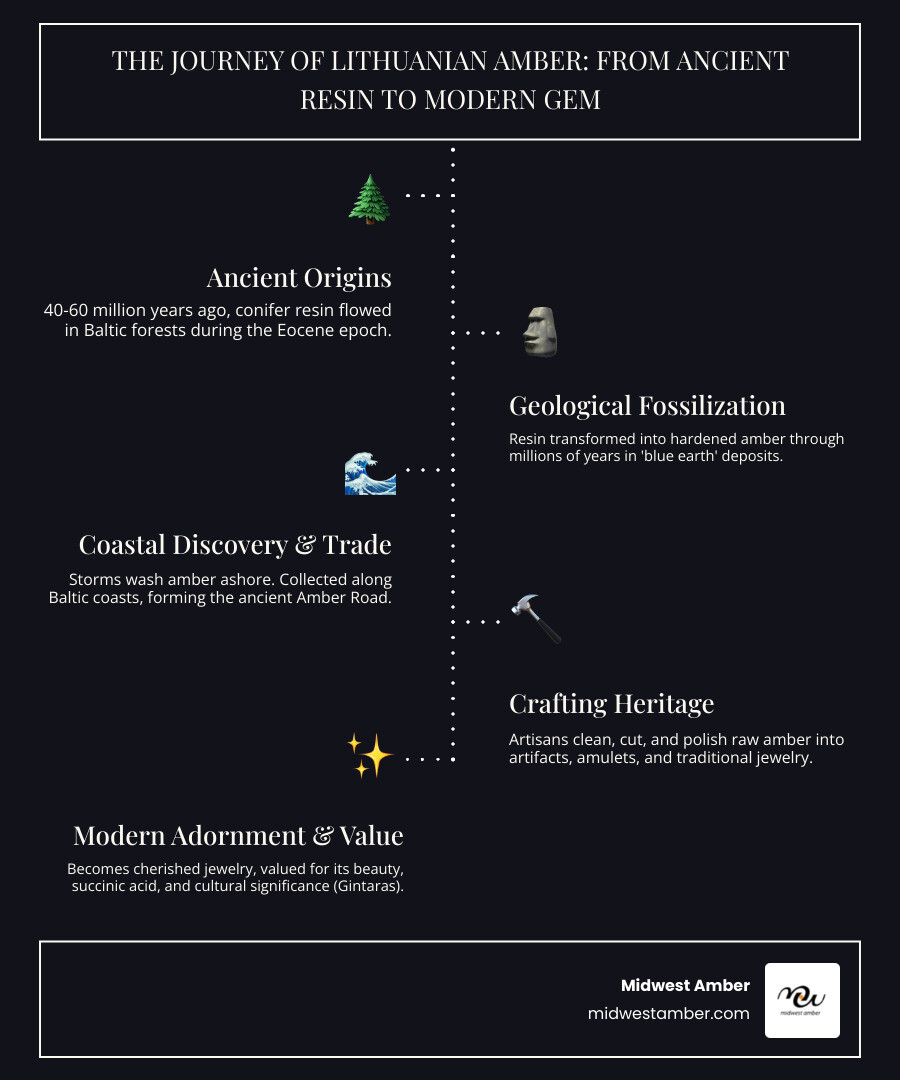
Essential lithuanian amber terms:
The Genesis of a Gem: What is Baltic Amber and How is it Formed?
Imagine a world 40 to 60 million years ago, during the Eocene epoch. Vast conifer forests, stretching across what is now Scandinavia and the bed of the Baltic Sea, produced an abundance of sticky resin. This resin, a natural defense against injury or climate change, dripped from trees, flowed into rivers, and was eventually carried to coastal deltas. There, it was buried under layers of sediment. Over millions of years, under immense pressure and heat, this organic resin underwent a remarkable change—a process called fossilization. The result? The beautiful, golden substance we know today as Baltic amber, or succinite.
Unlike a true gemstone or mineral, Baltic amber is technically fossilized tree sap. Its origins are deeply rooted in these ancient pine forests, which produced an estimated 100,000 tons of resin. Today, the largest deposits of this ancient treasure are found in the Baltic region, including Lithuania. Historically, areas like the Courish Lagoon and the "blue earth" formation (a sandy amber deposit at the bottom of the Baltic Sea) were rich sources. Glaciers, too, played a significant role, transporting and redepositing these precious nuggets across the landscape.
One of the most captivating properties of Baltic amber is its warmth to the touch, a stark contrast to cold stones or glass. When rubbed, it can even develop an electrostatic charge, a phenomenon that fascinated ancient cultures. This unique blend of geological history and physical characteristics makes each piece of Lithuanian amber a true marvel.
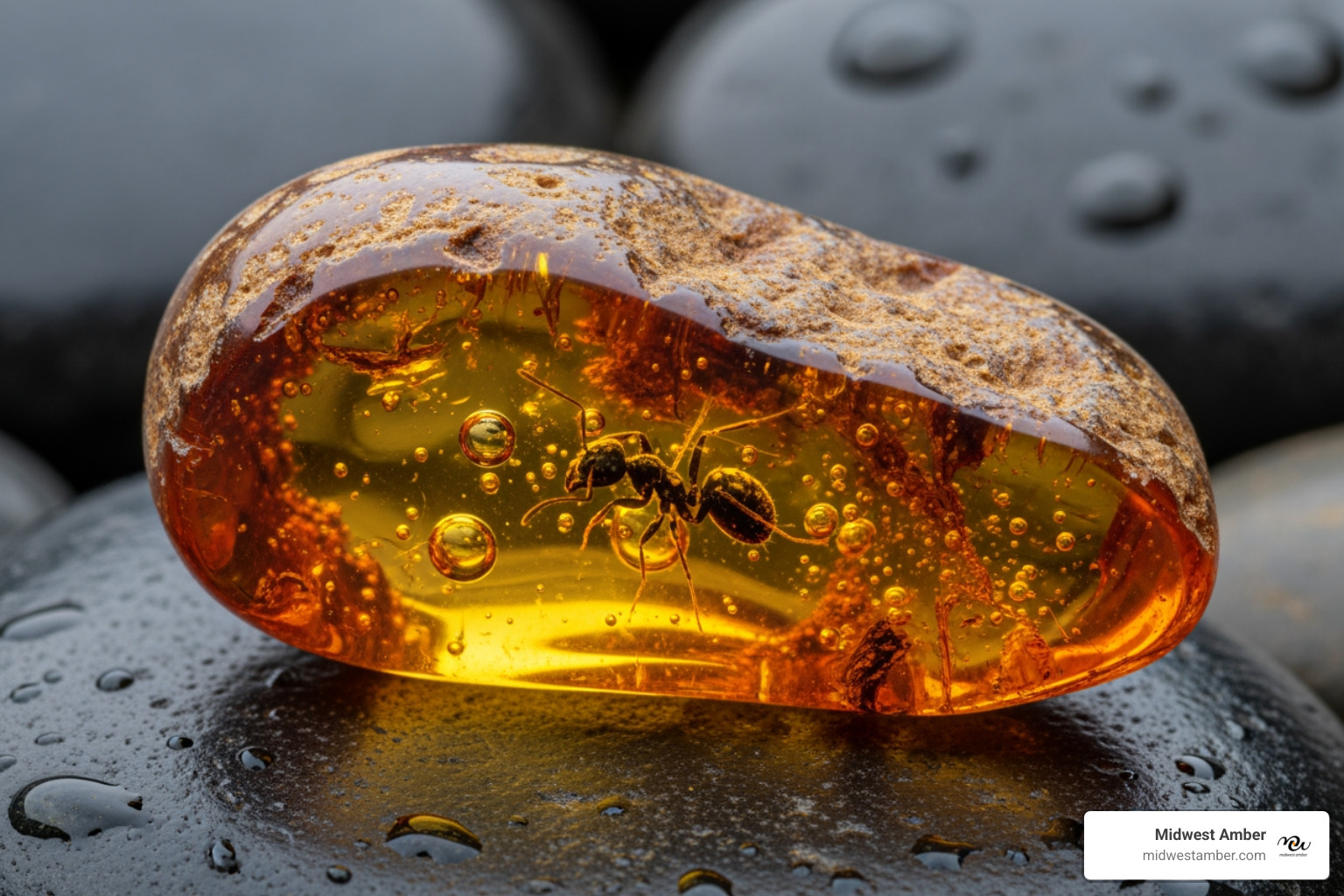
The Unique Properties of Lithuanian Amber
What truly sets Lithuanian amber apart are its unique properties, particularly its chemical composition and the incredible time capsules it holds.
At its core, Baltic amber contains a remarkable 3-8% succinic acid. This compound is not only responsible for some of the amber's purported therapeutic qualities but also gives it the scientific name "succinite." While the exact botanical origin was once debated, research now suggests that multiple conifer species, possibly from the Sciadopityaceae family, contributed to the resin that formed Baltic amber A new proposal concerning the botanical origin of Baltic amber.
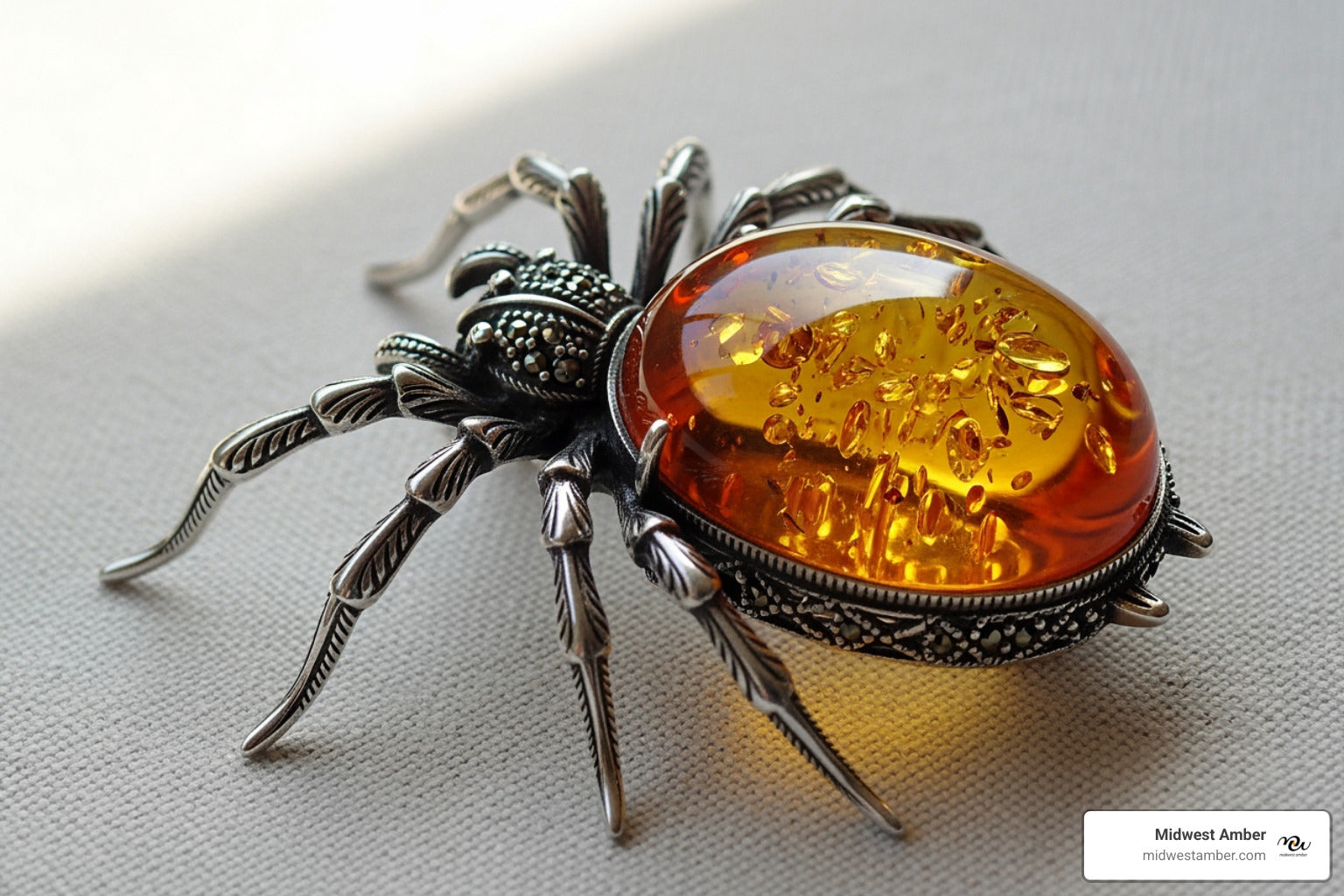
Perhaps the most mesmerizing feature of Lithuanian amber is its inclusions. These are ancient organisms or plant matter trapped within the resin millions of years ago, perfectly preserved for us to marvel at today. Insects, spiders, and various plant fragments—from oak leaf remnants to pollen—offer invaluable glimpses into prehistoric ecosystems. In fact, over 98% of the animals preserved in Baltic amber are insects, making these inclusions a paleontologist's dream and a collector's delight.
Lithuanian amber also boasts an astonishing array of colors, with scientists counting around 250 distinct shades. While yellow is the most common (about 70%), we also find rich honey tones, warm browns, and even rare hues like white (1-2%), greenish (about 2%), and the exceptionally scarce blue (0.2%). Black amber is also frequent (about 15%). These variations, influenced by volatile elements, admixtures, and oxidation, contribute to the unique beauty of each piece.
| Feature | Baltic Amber | Other Natural Resins (e.g., Copal) |
|---|---|---|
| Age | 40-60 million years (Eocene epoch) | Typically much younger (thousands to a few million years) |
| Fossilization | Fully fossilized, hard, stable | Immature, still polymerizing, softer, less stable |
| Succinic Acid | Contains 3-8% succinic acid (succinite) | Little to no succinic acid |
| Hardness | 2-2.5 on Mohs scale (can be up to 3) | Softer, more easily scratched |
| Solubility | Resistant to most solvents | More soluble in organic solvents |
| Inclusions | Well-preserved, ancient flora/fauna | Often more recent organisms |
Distinguishing Baltic Amber from Other Resins
Given its immense value and popularity, it's crucial to understand how Baltic amber stands apart from other resins and imitations. The market, unfortunately, is flooded with substitutes, making authenticity a real challenge.
The primary distinction lies in age and chemical composition. Baltic amber is truly ancient, dating back 40-60 million years, a fully fossilized resin. In contrast, substances like copal are much younger, often only thousands to a few million years old, and are considered immature resins that haven't fully fossilized. This age difference impacts their hardness, stability, and chemical makeup.
Our Lithuanian amber contains a significant amount of succinic acid (3-8%), which is a defining characteristic. This is largely absent in other resins. Chemically, Baltic amber is composed of approximately 79% carbon, 10.5% hydrogen, and 10.5% oxygen, forming a complex macromolecular structure that contributes to its density and hardness. Other types of amber, like Bitterfeld amber, even if from a similar geological period, have distinct geochemical differences that set them apart from true Baltic amber.
The rising demand for Lithuanian amber has unfortunately led to an expanding market of fakes, including plastics, glass, and even highly modified copal. These imitations can be surprisingly convincing, especially when they mimic inclusions. However, genuine Baltic amber possesses a unique warmth, lightness for its size, and specific reactions to tests like saltwater buoyancy or the hot needle test (which releases a distinct pine scent, unlike melting plastic). We encourage you to dig deeper into this topic with our guide: Beyond the Shine: Exploring the Essence of Natural Baltic Amber. Understanding these differences ensures you acquire a piece of authentic history.
Gintaras: The Soul of Lithuania in a Golden Stone
For Lithuanians, amber is more than just a beautiful stone; it is Gintaras, a national gem deeply woven into the fabric of their history, mythology, and cultural identity. The very name Gintaras is believed to derive from "ginte," meaning "to protect," reflecting the ancient belief in its protective powers.
This profound cultural significance is perhaps best captured in the poignant legend of Jūratė and Kastytis. This mythical tale speaks of Jūratė, the queen of the Baltic Sea, who fell in love with a simple fisherman, Kastytis. Their love blossomed in a magnificent underwater palace made entirely of amber. When Perkūnas, the god of thunder, finded their forbidden love, he releaseed his wrath, shattering the amber palace into countless fragments. To this day, Lithuanians believe that the pieces of amber washed ashore after a storm are Jūratė's Tears, a powerful symbol of enduring love and loss.
Long before written history, ancient Baltic tribes, as early as 2000-1800 BC, used amber for much more than adornment. They crafted jewelry, weaving tools, and believed in its power to treat diseases and protect against evil spirits. It served as amulets and talismans, imbued with spiritual significance. Throughout the I-XII centuries, during periods of tribal decomposition, class formation, and early feudalism, amber played a central role in Lithuanian life, evident in countless archaeological findings.
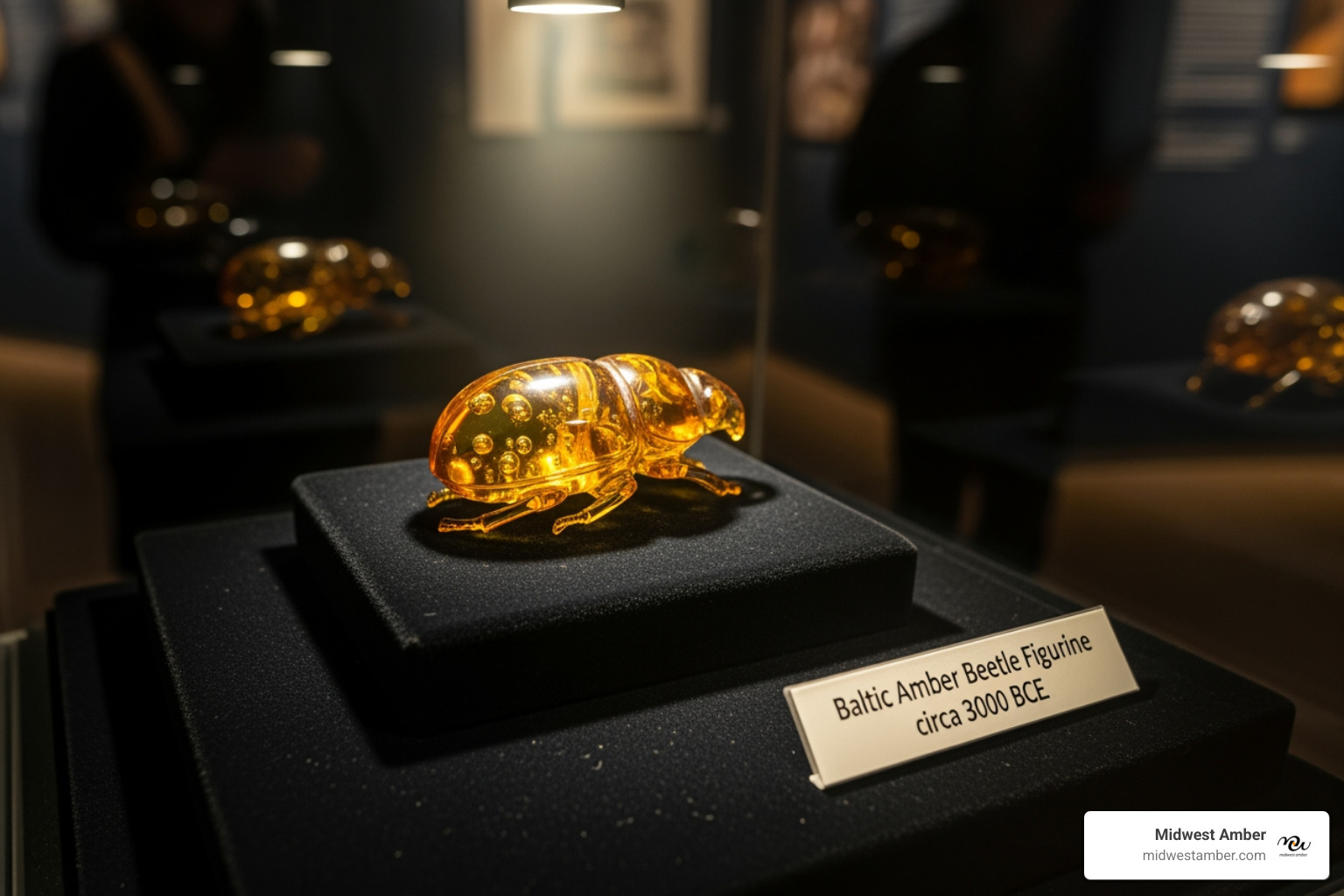
The Amber Road and Historical Artifacts
The allure of Lithuanian amber transcended local borders, giving rise to one of the ancient world's most significant trade networks: the Amber Road. This historic route facilitated the transfer of amber from the Baltic Seas to distant lands, including the Roman Empire and the Mediterranean. As early as the Bronze Age, amber was a valuable commodity, used for bartering and exported across central and southern Europe. The sheer value of amber was so immense that during Emperor Nero's reign (54-68 AD), a small amber statuette could be worth more than a healthy young slave.
Lithuania is home to incredible historical amber artifacts and collections that showcase its enduring legacy. One of the most famous is the Juodkrantė Treasure, a Neolithic find consisting of 434 articles, including pendants, beads, and unique figurines. These figurines, believed to be among the oldest examples of plaster art in Lithuania, offer a rare glimpse into prehistoric Baltic artistry and spiritual beliefs. Sadly, the entire Juodkrantė Treasure, along with other priceless artifacts like the fabled Amber Room, disappeared at the end of World War II.
Another significant repository of Lithuanian amber history is the Palanga Amber Museum. Housed in the neat 19th-century Tiškevičiai Palace, this museum boasts a collection of approximately 28,000 pieces of amber, with about 15,000 containing fascinating inclusions. Among its prized exhibits is the "Sun Stone," one of Europe's largest amber specimens, weighing an impressive 3,526 grams. This museum, along with the historical accounts of the Count Tiškevičius family's own amber artifact collection, stands as a testament to Lithuania's deep connection to its "golden stone."
The Craft and Commerce of Lithuanian Amber
The economic importance of amber to Lithuania, and indeed the entire Baltic region, cannot be overstated. For millennia, the shores of the Baltic Sea have been a source of this precious fossilized resin. Historically, coastal towns like Palanga and Klaipeda were vital centers for Baltic amber processing and trade.
Traditional gathering methods involved fishermen wading into rough waters after storms to catch floating amber or collecting pieces washed ashore. While these methods still exist on a smaller scale, modern mining operations have evolved. Lithuania is home to the largest amber deposits in the world, accounting for 80% of the amber ever collected. This rich supply has fueled a vibrant artisanal industry, where skilled craftsmen transform raw amber into exquisite pieces.
The value of raw amber has seen dramatic increases over the last two decades, reflecting its growing global demand. This underscores its continued economic significance, supporting local communities and preserving a centuries-old craft.
How Amber is Crafted into Jewelry
The journey of Lithuanian amber from a raw, ancient resin to a dazzling piece of jewelry is a testament to centuries of craftsmanship and modern innovation.
Historically, amber was processed using primitive tools like flint and bone. Neolithic artisans carefully drilled V-shaped holes in beads and buttons, and carefully shaped pendants and amulets. Today, the process combines these age-old traditions with contemporary techniques. Raw amber is first cleaned to remove impurities, then carefully cut and shaped. The final stage involves polishing, which brings out the natural luster and vibrant colors unique to each piece.
Baltic amber processing in Lithuania is considered a national heritage craft, a tradition passed down through generations. Modern technology allows for the creation of contemporary designs while still honoring the timeless beauty of the material. This fusion of old and new ensures that each handcrafted piece of Lithuanian amber jewelry, whether it's a delicate pendant or a statement bracelet, carries both history and modern elegance. We pride ourselves on offering finely crafted pieces, and you can explore more about this artistry in our guides: The Ultimate Guide to Amber Jewelry and Discover Stunning Multicolor Amber Earrings.
Traditional and Modern Uses of Lithuanian Amber
The versatility of Lithuanian amber extends far beyond its aesthetic appeal, encompassing a rich history of traditional uses and evolving into modern applications.
For millennia, amber has been revered for its perceived medicinal properties. Ancient Baltic tribes used it to treat diseases and protect against malevolent forces. Historically, it was believed to stop decay and alleviate a wide range of ailments, from head, neck, and throat complaints to rheumatism, arthritis, and even fatigue. Scientific research suggests that when worn against the body, the succinic acid in Baltic amber can be absorbed into the bloodstream, potentially inducing calming effects and possessing analgesic, antispasmodic, and febrifuge properties. This is why Baltic amber teething necklaces are commonly used for babies to help soothe discomfort. Beyond direct medicinal applications, powdered amber was historically used in soaps and skincare, and its resins were transformed into incense and varnish.
In modern times, while its wellness benefits continue to be explored, Lithuanian amber has firmly established itself in the field of high-fashion jewelry. Its unique warmth, diverse color palette, and the fascinating inclusions it often holds make it a favorite among designers and wearers alike. From neat bracelets to intricate necklaces, amber continues to be a cherished material for personal adornment. Beyond jewelry, it finds its way into art, design, and even souvenirs, cementing its place in Lithuania's cultural and economic landscape. Find more about our stunning collection of Baltic amber bracelets: Find Your Perfect Glow with Baltic Amber Bracelets.
Challenges and Ethics in the Amber Trade
The enduring popularity and value of Lithuanian amber unfortunately come with their own set of challenges, particularly concerning authenticity and ethical sourcing. The market is constantly battling against fakes and imitations, which pose a significant threat to genuine amber. Common substitutes include copal (an immature resin), various plastics, and even glass, some of which are designed to look deceptively like real amber. Distinguishing these fakes from genuine Baltic amber can be difficult without proper knowledge and testing.
At Midwest Amber, we believe in complete transparency and integrity in the amber trade. Our commitment to ethical sourcing means that we ensure our Lithuanian amber is obtained responsibly, respecting both the environment and the communities involved in its collection and processing. We prioritize working with suppliers who adhere to sustainable practices, safeguarding the future of this precious resource.
The importance of certification cannot be overstated. Genuine Baltic amber should ideally come with documentation confirming its authenticity. This not only protects consumers from fraudulent products but also supports the legitimate amber industry in Lithuania and the Baltic region. We are proud to offer certified authentic Baltic amber jewelry, and we encourage you to educate yourself on identifying genuine pieces with our comprehensive guide: Don't Get Fooled: The Definitive Guide to Certified Baltic Amber. By choosing certified Lithuanian amber, you're not just buying a beautiful piece; you're investing in history, culture, and ethical practices.
Frequently Asked Questions about Lithuanian Amber
We understand that when exploring a treasure as ancient and revered as Lithuanian amber, you'll have questions. Here are some of the most common ones we encounter:
How can I tell if my Lithuanian amber is real?
Authenticating Lithuanian amber can be tricky, as many fakes exist. However, there are several simple tests you can perform at home, in addition to seeking advice from reputable dealers like us:
- Saltwater Test: Genuine Baltic amber is surprisingly light and will float in a solution of two parts water to one part salt. Most plastics and glass will sink.
- Hot Needle Test: Carefully heat a needle and gently touch it to an inconspicuous spot on the amber. Real amber will emit a distinct, pleasant pine-like scent. Fakes will typically smell like burning plastic.
- Static Electricity Test: Rub the amber vigorously on a soft cloth (like wool) for about 30-60 seconds. Genuine amber will generate static electricity strong enough to pick up small pieces of paper or hair.
- Visual Inspection: Look for natural imperfections, variations in color, and tiny air bubbles. Overly perfect, uniform pieces or perfectly preserved inclusions might be a red flag. The warmth to the touch is also a good indicator.
For definitive authentication, particularly for valuable pieces or those with inclusions, scientific tests like spectrography or infrared analysis are necessary. Always buy from a reputable source that offers certified authentic Baltic amber.
What are the believed healing properties of amber?
For centuries, Lithuanian amber has been cherished not only for its beauty but also for its perceived healing properties. Historically, it was widely used in folk medicine to treat a variety of ailments.
The key to these beliefs lies in succinic acid, which makes up 3-8% of Baltic amber. Traditional uses included:
- Pain Relief: Historically used for headaches, neck pain, and throat complaints.
- Anti-inflammatory: Believed to soothe inflammation, particularly associated with rheumatism and arthritis.
- Teething Babies: One of the most popular modern applications is Baltic amber teething necklaces, thought to release succinic acid when warmed by body heat, providing natural pain relief and calming effects.
- Immune Support: Some traditions held that amber could protect against diseases and strengthen the body.
While these historical beliefs are deeply ingrained in Baltic culture, modern scientific research continues to explore the exact mechanisms and efficacy of succinic acid when absorbed through the skin. It's considered a bio-stimulant and is even used in contemporary medicine.
How should I care for my amber jewelry?
Lithuanian amber is a durable yet delicate organic gem that requires proper care to maintain its beauty for generations.
- Avoid Chemicals: Amber can be damaged by harsh chemicals. Always remove your amber jewelry before applying perfumes, hairspray, lotions, or household cleaning products.
- Store Separately: To prevent scratches and damage, store your amber jewelry in a soft pouch or a separate compartment in your jewelry box, away from harder gemstones and metals.
- Gentle Cleaning: While Baltic amber does not fear water for short periods, avoid prolonged soaking. Clean your amber gently with a soft, damp cloth and mild soap. Rinse thoroughly with clean water and dry immediately with a soft, lint-free cloth. Never use ultrasonic cleaners, steam cleaners, or abrasive materials, as these can harm the amber.
- Protect from Extremes: Avoid prolonged exposure to direct sunlight, as this can cause the amber to dry out, crack, or change color. Extreme temperature changes should also be avoided.
- Handle with Care: As a relatively soft material (2-2.5 on the Mohs scale), amber can be scratched or chipped if dropped or knocked against hard surfaces.
By following these simple care instructions, your Lithuanian amber jewelry will retain its radiant glow and continue to be a cherished piece for years to come.
Conclusion: The Enduring Allure of Lithuania's Golden Gem
Our journey through Lithuanian amber reveals a gem unlike any other. From its ancient origins as tree resin flowing in prehistoric forests 40-60 million years ago, to its change into the fossilized beauty we know today, Lithuanian amber tells a story of time, nature, and human connection.
It's a story steeped in cultural depth, from the protective essence of Gintaras and the romantic legend of Jūratė's Tears, to its pivotal role in ancient trade routes like the Amber Road. This golden stone has been an integral part of Lithuanian identity, adorning ancient Baltic tribes, inspiring masterpieces, and even featuring in traditional medicine.
Today, Lithuanian amber continues to captivate with its modern beauty, unique colors, and the incredible inclusions that make each piece a tangible link to a bygone era. It's more than just an adornment; it's a piece of history, a whisper from ancient forests, and a symbol of enduring heritage.
At Midwest Amber, we are honored to share this legacy with you. Our commitment to handcrafted, genuine Lithuanian amber jewelry, ethically sourced from Poland and Lithuania, and backed by certified authenticity, ensures that you receive a piece that is as meaningful as it is beautiful. We invite you to experience the enduring allure of Lithuania's golden gem and Find Your Perfect Match: Baltic Amber Bracelets for Every Woman.

Leave a comment
This site is protected by hCaptcha and the hCaptcha Privacy Policy and Terms of Service apply.