

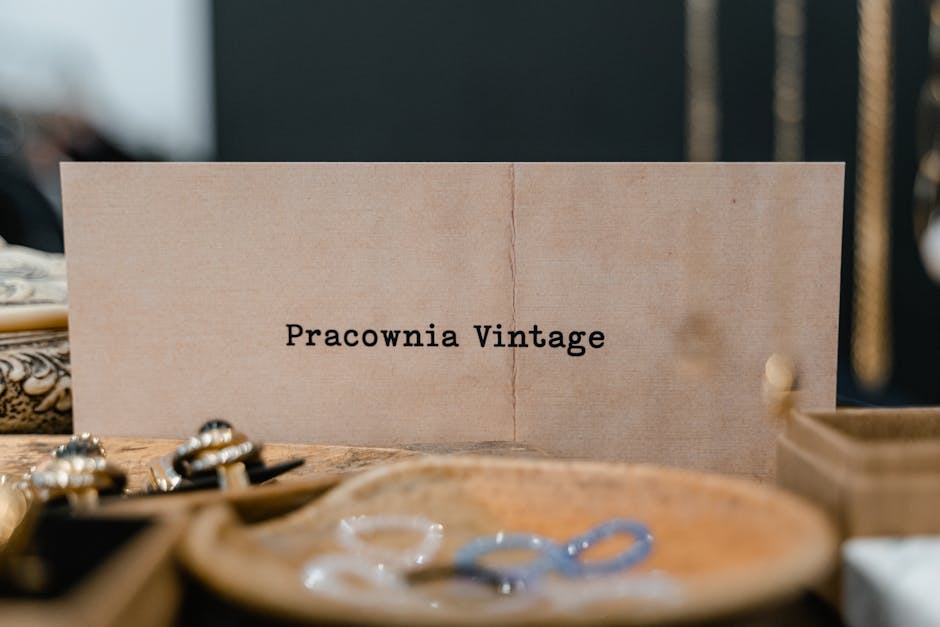
Why Polish Jewelry Captures Hearts Worldwide
Polish jewelry stands out for its unique blend of natural materials, centuries-old craftsmanship, and deep cultural heritage. From the warm glow of Baltic amber to intricate silverwork and vibrant folk designs, Polish jewelry offers a special quality that mass-produced pieces cannot match.
What defines authentic Polish jewelry:
- Baltic Amber - Fossilized resin over 40 million years old, sourced primarily from Gdańsk (the world capital of amber)
- Sterling Silver Craftsmanship - Traditional metalsmithing techniques including filigree and oxidized finishes
- Folk & Highlander Designs - Cultural pieces featuring the Parzenica motif, red coral beads, and hand-painted elements
- Patriotic Symbols - Jewelry featuring the Polish White Eagle, historical references, and national emblems
- Modern Artisan Pieces - Contemporary designs that blend traditional materials with minimalist aesthetics
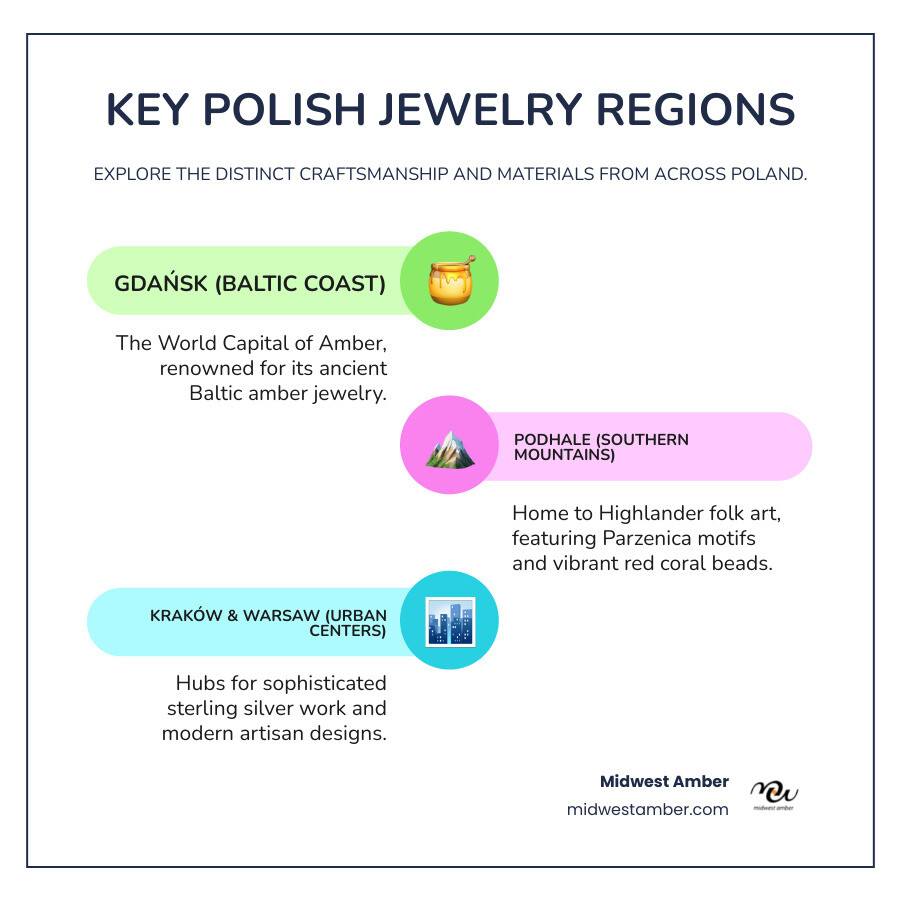
Poland's jewelry-making tradition stretches back centuries, with each region developing its own distinctive style. The Baltic coast is famous for amber, the Podhale region for bold Highlander pieces, and cities like Kraków for sophisticated silver techniques.
What makes Polish jewelry unique:
It's the combination of locally sourced materials like Baltic amber, traditional handcrafting methods, and meaningful cultural symbolism. Each piece tells a story, whether of ancient forests preserved in amber, silver shaped by master artisans, or folk designs honoring Polish heritage.
I'm Gabriel Ciupek, President and owner of Midwest Amber, Inc., where I've spent years working directly with Polish artisans and educating customers about authentic polish jewelry. My experience sourcing from craftspeople in Poland has given me deep insight into what makes these pieces special and how to identify authentic quality.
Top 5 Iconic Types of Polish Jewelry
When you explore polish jewelry, you're finding a world where ancient materials meet skilled hands, where every piece carries a story. Let me walk you through the five most iconic styles that define Polish craftsmanship—each one unique and beautiful.
1. Baltic Amber: The Gold of the North
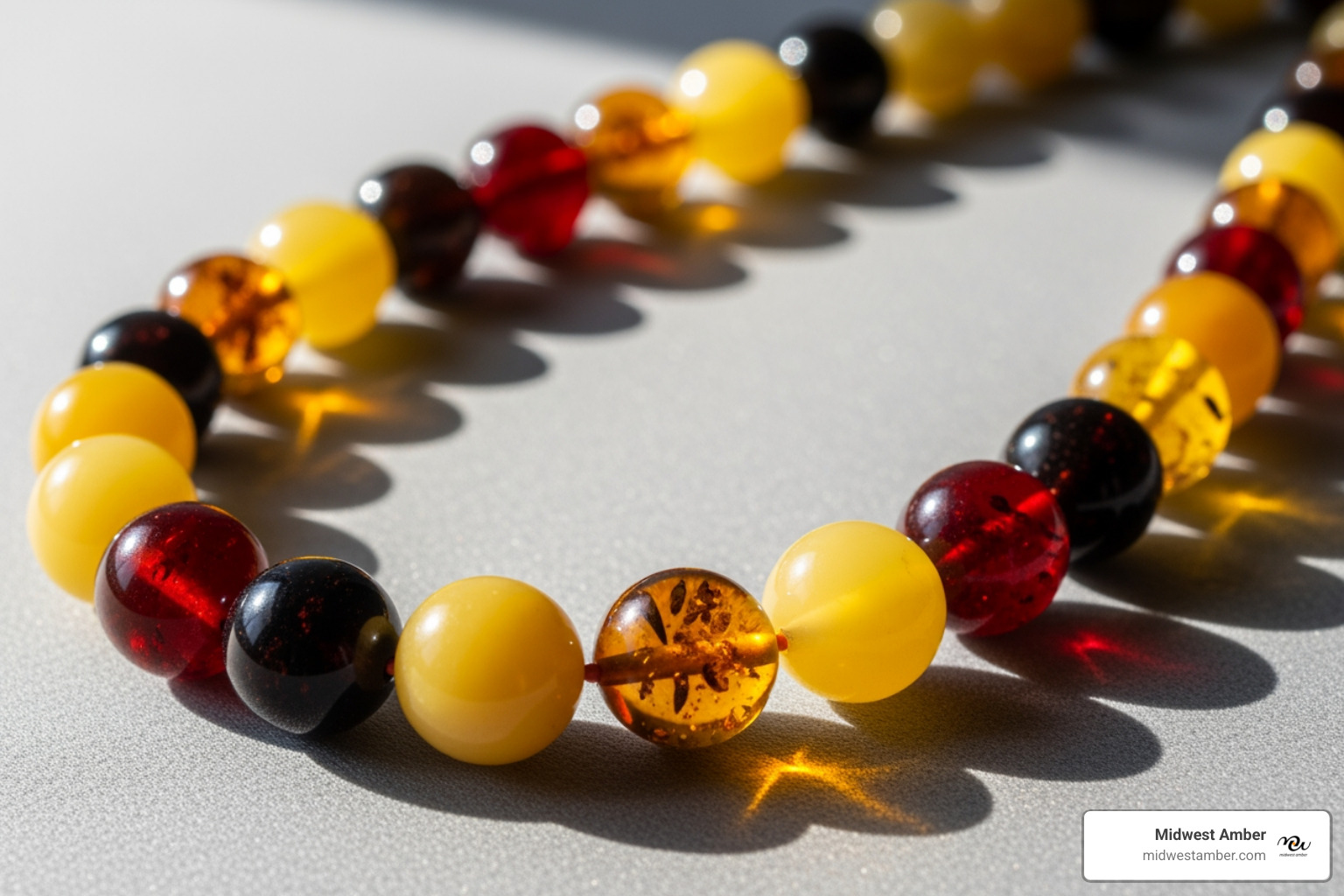
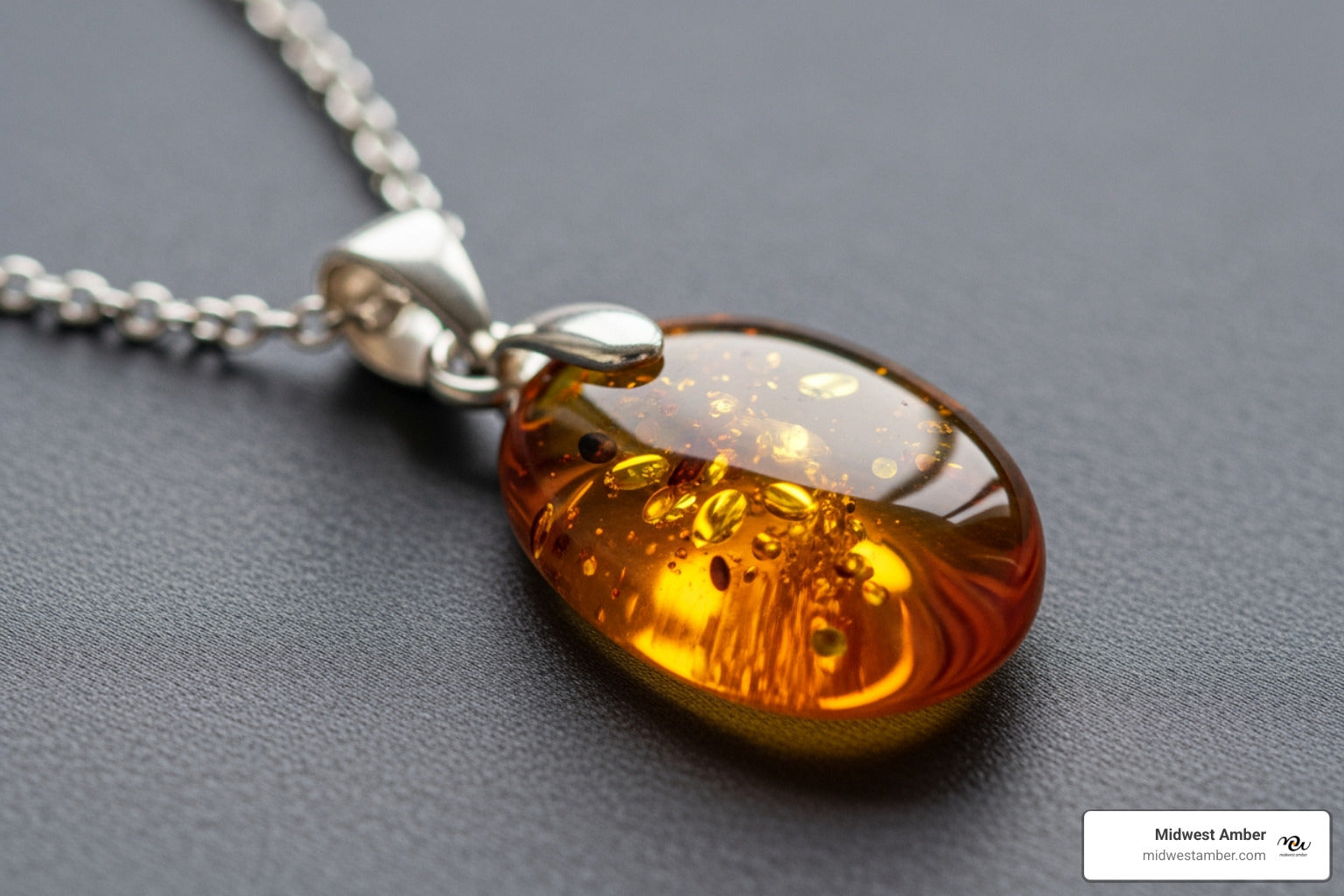
Baltic amber is the material that defines polish jewelry. It's fossilized tree resin, over 40 million years old, that captures moments from ancient forests in its warm, glowing depths.
Gdańsk, on Poland's Baltic coast, is the world capital of amber. The city's connection to this golden gem runs deep, with generations of craftspeople perfecting the art of turning raw amber into stunning jewelry. The range of colors is remarkable—from pale buttery yellows and rich honey tones to deep cognac hues and even rare green and black varieties.
For centuries, people have valued amber for its purported healing properties, particularly the succinic acid naturally found within the stone. Whether you're drawn to these traditional beliefs or simply love how amber feels against your skin, there's something special about wearing a piece of ancient history.
At Midwest Amber, we've built our reputation on genuine Baltic amber sourced directly from Poland and Lithuania. With over 20 years of experience, we understand what makes exceptional amber, and every piece we offer comes with certified authenticity. When you choose our amber, you're choosing quality you can trust.
Want to learn more? Dive into The Ultimate Guide to Amber Jewelry or explore the stunning variety in From Raw to Red: A Shopper's Guide to Every Type of Amber Jewelry.
2. Sterling Silverwork: A Legacy of Metalsmithing
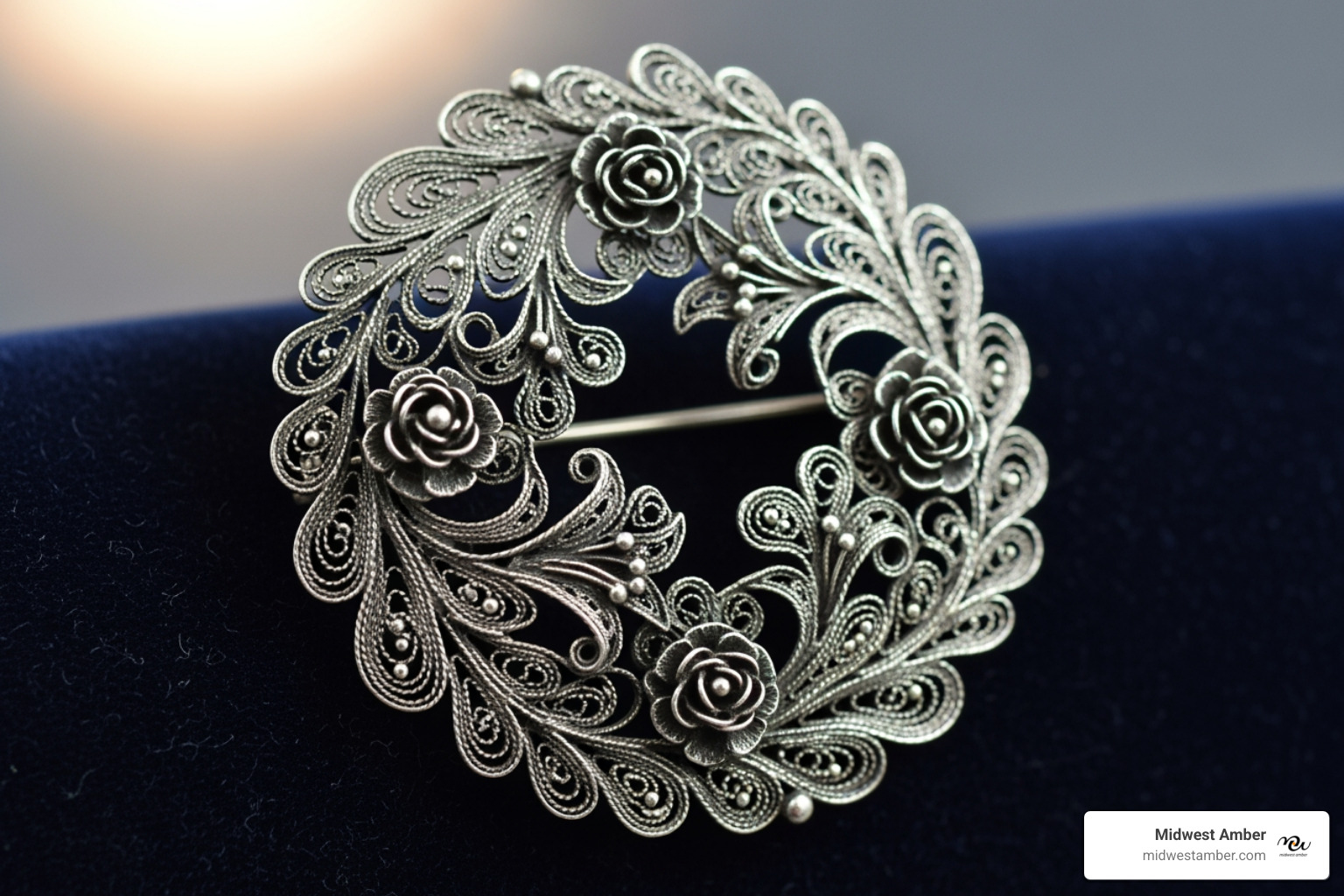
Polish silversmiths have perfected their craft for centuries. Sterling silver—marked with the 925 hallmark to indicate 92.5% pure silver—offers the perfect combination of affordability, durability, and beauty. It's also hypoallergenic, making it ideal for sensitive skin.
The magic is in the techniques. Filigree work creates delicate, lace-like patterns by twisting fine silver threads into intricate designs. Oxidized silver adds dramatic contrast, with darkened areas highlighting raised patterns for a vintage look. Stamped silver brings precision and symbolism, with motifs pressed into the metal by skilled hands.
Polish silver often serves as the perfect partner for Baltic amber. The cool elegance of silver beautifully complements amber's warm glow, creating jewelry that feels both timeless and distinctly Polish. Whether it's a standalone silver piece or an amber setting, you're seeing generations of metalsmithing expertise.
For a beautiful example of how these materials work together, check out Pin It: Your Guide to Stunning Sterling Silver and Amber Brooches.
3. Folk & Highlander Jewelry: A Mix of Culture
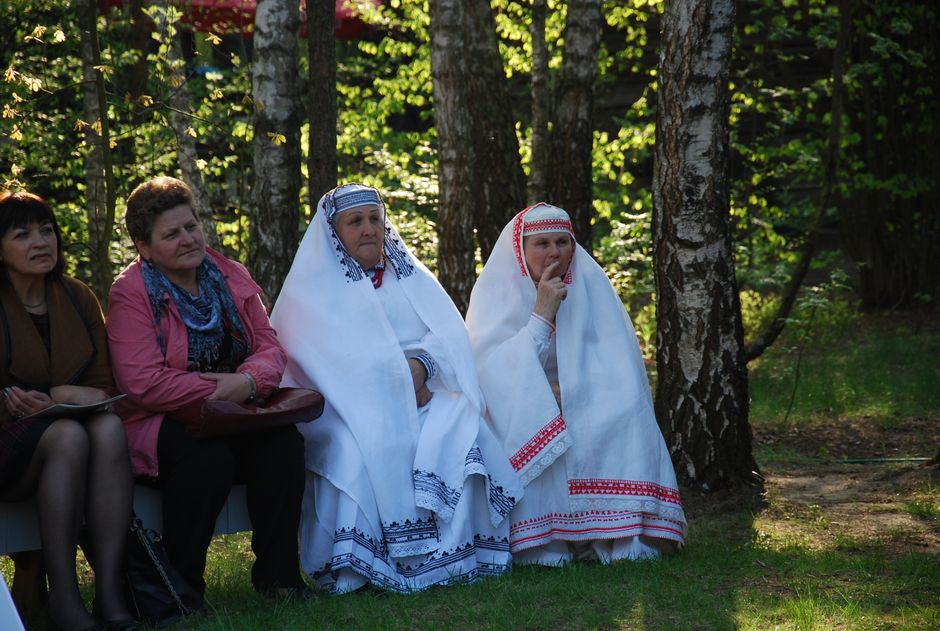
In the southern Podhale region, you'll find a different style of polish jewelry—bold, colorful pieces rooted in Highlander (Górale) culture. These items are expressions of identity, land, and tradition.
The distinctive Parzenica motif is everywhere in Highlander jewelry. This heart-shaped design, originally embroidered on traditional trousers, has become an iconic symbol of the region. You'll also find red coral beads featured prominently—their vibrant color symbolizing vitality and protection.
Spinki, traditional brooches crafted from brass or steel, showcase the incredible detail work of mountain craftspeople. Some are small and delicate, while others are large enough to double as decorative wall art. Hand-painted wooden elements bring rustic charm and splashes of color, often featuring floral patterns and traditional designs.
When you wear Highlander jewelry, you're carrying a piece of Polish mountain heritage—stories of resilience, celebration, and deep cultural roots.
4. Modern Artisan Designs: The New Wave
Polish jewelry isn't frozen in time. Today's artisans create exciting new work that honors traditional craftsmanship while embracing contemporary aesthetics. This brings fresh energy to polish jewelry, making it relevant for modern tastes.
These designers favor minimalist forms and clean geometric shapes. They experiment with mixed metals, combining silver with gold or copper to create visual interest. While amber remains beloved, they're also incorporating unique gemstones that add new dimensions to traditional designs.
What sets these pieces apart is the handcrafted focus. Even as styles evolve, Polish artisans maintain their commitment to creating each piece by hand. This blend of tradition and innovation results in jewelry that's both timeless and fashion-forward.
The new wave shows Poland's creative spirit is alive and well, constantly evolving while staying true to its roots.
5. Patriotic & Symbolic Jewelry: Wearing Your Heritage
Polish jewelry can be deeply personal—a way to carry heritage, express identity, and connect with history. Symbolic pieces become meaningful talismans that tell stories.
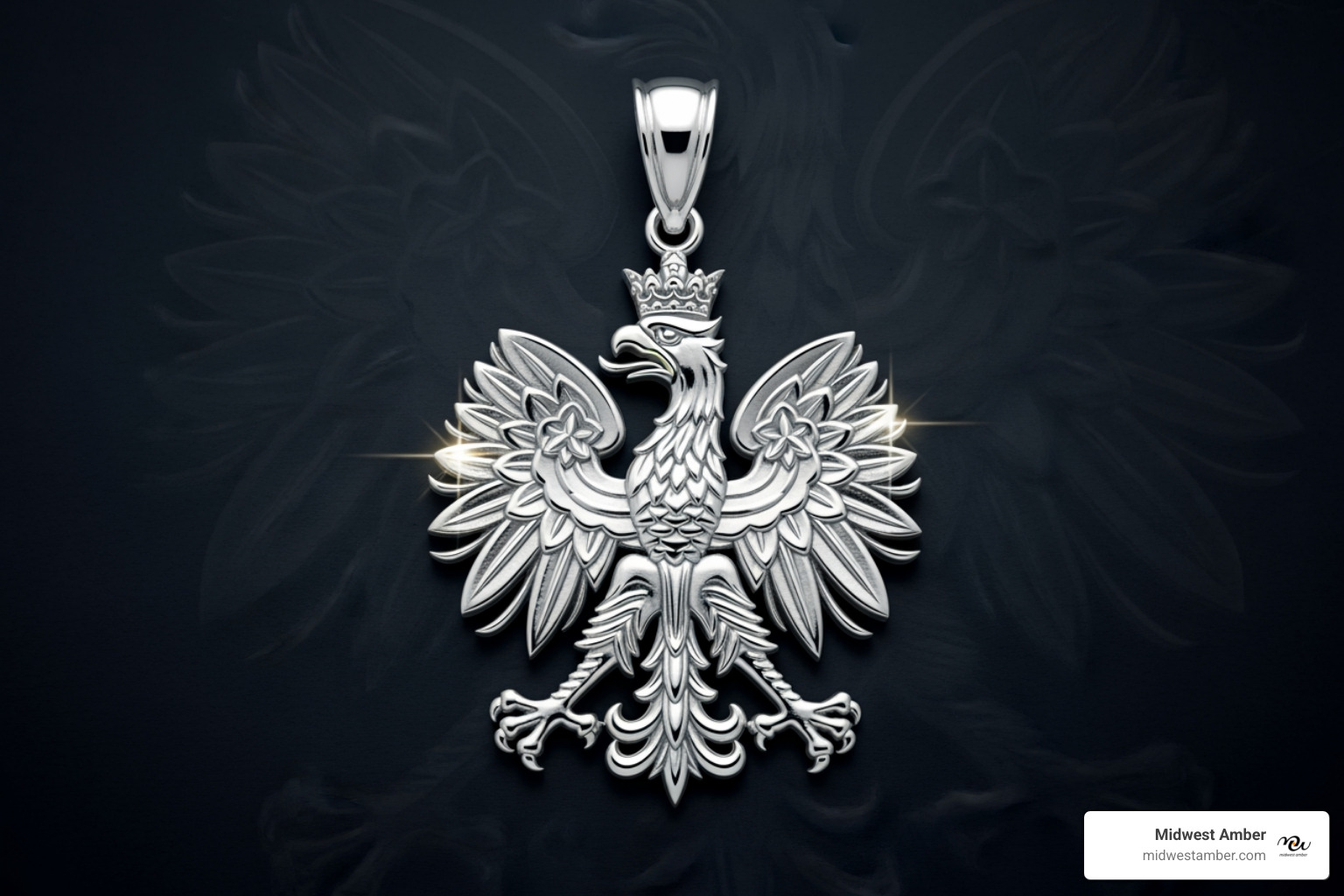
The Polish Eagle (Orzeł Biały), with its proud crown and outstretched wings, appears frequently in patriotic jewelry. This powerful symbol of sovereignty and strength resonates with anyone who values Polish identity. Our Lady of Częstochowa, one of Poland's most revered religious icons, graces many pieces, offering spiritual connection and protection.
Historical symbols carry particular weight. The Polska Walcząca (Fighting Poland) anchor emblem recalls the resistance during World War II, representing courage and determination. The Szczerbiec, the legendary coronation sword of Polish kings, connects wearers to centuries of royal history and national pride.
These pieces go beyond fashion. They're declarations of identity and connections to a proud past. As explored in Amber Rings: More Than Just Jewelry, A Symbol of Protection and History, even materials themselves can carry profound meaning.
What Makes Polish Jewelry Unique?
A piece of Polish jewelry is more than decoration. It carries centuries of tradition, natural beauty, and stories connecting you to a rich cultural heritage. Here's what sets these treasures apart.
The Significance of Materials
The materials Polish artisans choose tell a story, starting with what the land provides.
Baltic amber is the heart and soul of Polish jewelry. With Poland being home to the world's largest amber deposits, artisans have access to an incredible range of colors—from pale honey yellows to deep cognac browns, and even rare greens and blues. This ancient fossilized resin brings a warmth and organic beauty that synthetic materials can't replicate. Its light weight makes it comfortable to wear, while its natural variations mean no two pieces are ever exactly alike. We believe its true value goes Beyond the Shine: Exploring the Essence of Natural Baltic Amber.
Sterling silver has been shaped by Polish hands for generations. The metal's malleability allows artisans to create delicate filigree patterns. When oxidized, it develops rich contrasts that make every detail stand out. Beyond its beauty, sterling silver is practical—durable enough for daily wear, affordable, and hypoallergenic.
Gold appears in more luxurious pieces, often showcasing the same meticulous craftsmanship found in silverwork. Polish goldsmiths bring the same attention to detail to both precious gold and more accessible silver.
The use of coral, flint, and wood in folk jewelry connects each piece directly to Poland's natural landscape. These locally sourced materials represent a commitment to authenticity and regional identity. When you wear coral beads from the Podhale region, you're wearing a piece of Poland's earth.
Cultural Symbolism and Motifs
Every symbol in Polish jewelry tells a story. These patterns are a visual language of history, faith, and national pride.
The Polish Eagle soars across countless pieces, its white feathers and golden crown representing freedom and sovereignty. This isn't just Poland's national emblem—it's a symbol that has survived partitions and wars, making it deeply meaningful.
The Parzenica heart shape carries the warmth of mountain traditions. What started as embroidery on Highlander trousers has become a beloved symbol of love and cultural heritage, now beautifully translated into jewelry.
Folk floral patterns bloom across traditional pieces, inspired by the intricate paper cut-outs called wycinanki and traditional embroidery. These are specific patterns passed down through generations, each carrying meaning.
Religious icons like Our Lady of Częstochowa reflect Poland's deep spiritual traditions. For many, wearing these symbols is both a personal expression of faith and a connection to Polish Catholic heritage.
Historical references like the Polska Walcząca anchor symbol or the Szczerbiec coronation sword transform jewelry into wearable history lessons. They are reminders of resilience, resistance, and the long journey of Polish independence.
The Evolution of Polish Jewelry Design
The story of Polish jewelry is the story of Poland itself—a journey through royal courts, village workshops, and creative renaissances.
Centuries ago, Polish nobility wore elaborate pieces with precious gems, while folk artisans created meaningful jewelry from local materials. During the communist era, organizations like CEPELIA helped preserve these folk art traditions, keeping techniques alive.
After 1989, Poland's new freedom brought an explosion of creativity. Individual artisans could finally experiment, blend old and new, and express their unique visions. Contemporary designers began reimagining centuries-old techniques—filigree, amber setting, folk motifs—through a modern lens.
Today, Polish jewelry stands on the world stage. You'll find minimalist amber pieces alongside traditional Highlander jewelry. This isn't old versus new—it's about honoring where you came from while exploring where you can go.
The evolution continues, with each new generation of Polish artisans adding their chapter to this ongoing story.
Your Guide to Buying Authentic Polish Jewelry
When you're ready to invest in Polish jewelry, you're acquiring a piece of art steeped in culture and history. But how do you ensure you're getting the real deal? Let me walk you through the essentials of finding and recognizing authentic pieces.
Where to Buy Authentic Pieces
The hunt for genuine Polish jewelry can be exciting, and knowing where to look makes all the difference.
If you visit Poland, make your way to the artisan markets in cities like Kraków and Gdańsk. There's something magical about browsing handcrafted pieces while chatting directly with the jewelers who made them. You'll find unique treasures and the experience becomes part of your jewelry's story.
For those who can't travel to Poland, specialized online stores are a wonderful alternative. Many reputable retailers work directly with Polish artisans, providing detailed descriptions of materials and craftsmanship. The best ones will include certificates of authenticity with your purchase.
Online platforms featuring Polish artisans can be treasure troves of both traditional and contemporary designs. You'll find everything from classic amber pieces to modern silver creations. Just remember to read seller reviews carefully and ask questions before you buy, as a responsive, knowledgeable seller is a good sign.
At Midwest Amber, we've spent over 20 years building relationships with trusted sources in Poland and Lithuania. We specialize in 100% natural, ethically sourced Baltic amber, and every piece comes with certified authenticity. Whether you're in Arlington Heights, Barrington, Chicago, or anywhere across Illinois and beyond, we're committed to bringing you genuine Baltic amber you can trust. You can Shop Authentic Amber Rings Online: Your Guide to Genuine Beauty right from our collection.
Tips for Identifying Authentic Polish Jewelry
Knowing how to spot genuine Polish jewelry protects your investment and ensures you get the quality you deserve. Here's what to look for.
When it comes to amber, a few simple tests can reveal if you're holding the real thing. The saltwater test is one of the easiest: genuine amber floats in saltwater (mix about 2-3 tablespoons of salt per cup of water), while most fakes will sink. With a UV light, real Baltic amber typically glows with a greenish or bluish fluorescence. The hot needle test is another option, but use extreme caution. Real amber produces a pine-like scent when touched with a hot needle, while plastic smells like chemicals. For a deeper dive, check out Real or Resin: How to Tell If Your Amber Jewelry Is Genuine.
For silver pieces, always look for the '925' hallmark. This stamp indicates the piece is sterling silver—92.5% pure silver—the standard for quality. Polish silversmiths take pride in their work, so check the craftsmanship closely. Genuine pieces show attention to detail, smooth finishes, and secure stone settings. If something feels flimsy or poorly constructed, it's a cue to walk away.
Don't hesitate to ask for certificates of authenticity, especially when buying amber. Reputable sellers should provide documentation confirming the origin and authenticity of their materials. We certainly do at Midwest Amber—it's part of doing business the right way.
Understanding Price and Value
The price of Polish jewelry ranges from affordable to investment-worthy. Understanding what drives these differences helps you make smart choices.
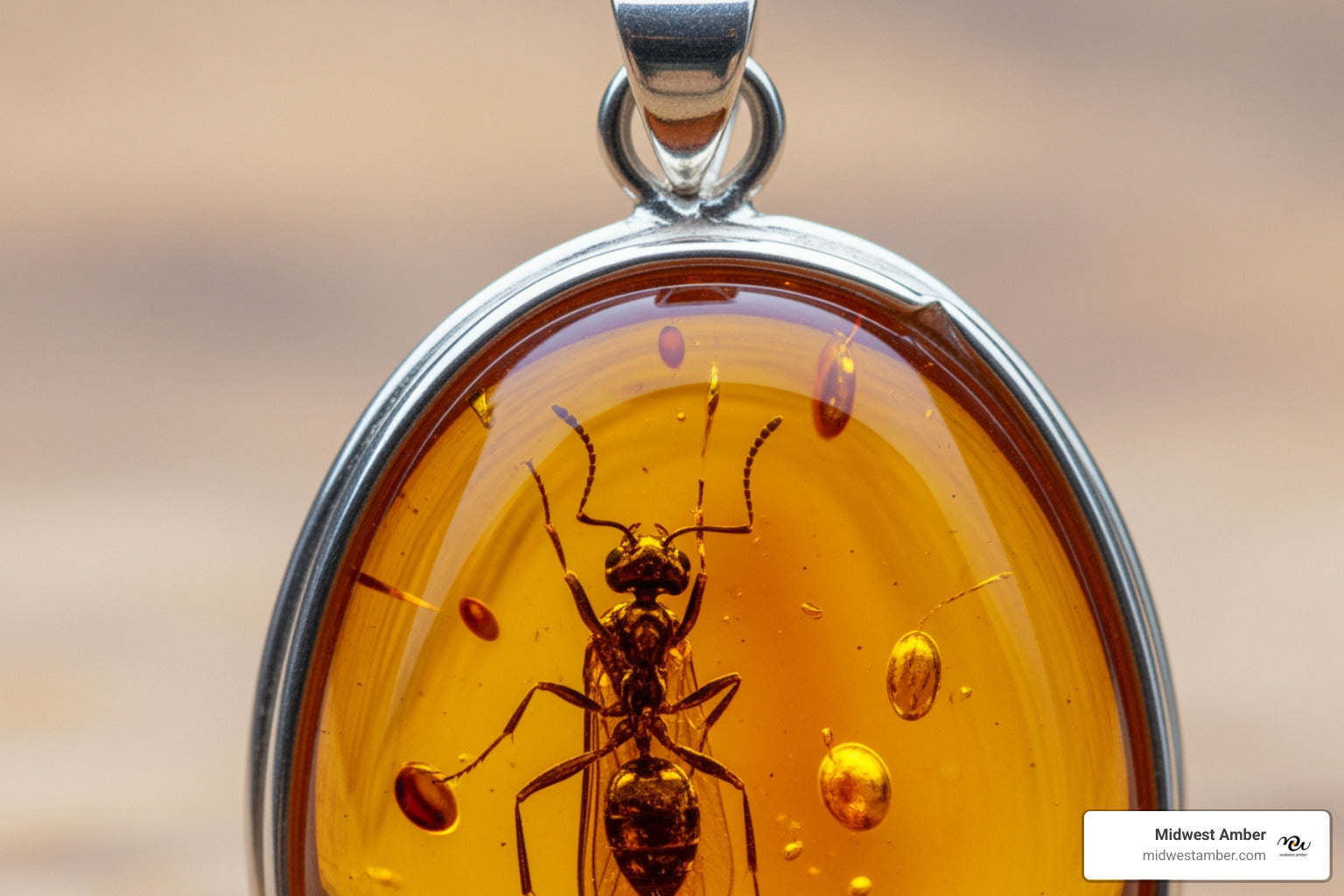
Material quality is the foundation of value. For amber, factors include clarity, color, size, and whether it contains inclusions like ancient insects. For silver, the weight and purity matter most—the 925 sterling silver hallmark guarantees quality. Gold pieces command higher prices based on their gold content.
Craftsmanship complexity significantly affects price. Intricate filigree, detailed hand-carving, or elaborate stone settings require considerable skill and time. Simple designs cost less but can be just as beautiful.
Designer reputation can add to a piece's value, as can rarity. Unusual amber colors like blue or green, large stones, or one-of-a-kind artisan creations naturally command higher prices.
What can you expect to pay? Simple sterling silver pendants or modest amber earrings can be under $50. Mid-range pieces with more elaborate designs or larger amber stones typically fall in the $100-$300 range. Exceptional amber necklaces, gold pieces, or renowned designer creations can cost hundreds or even thousands of dollars.
The Polish jewelry market is thriving, projected to grow by 4.5% annually. This growth shows that people worldwide recognize and value the unique craftsmanship and authenticity that Polish jewelry represents.
Caring for Your Polish Treasures
You've found a beautiful piece of Polish jewelry—now let's make sure it stays stunning for years. Whether it's a glowing amber pendant or an intricate silver brooch, each piece deserves the right care to preserve its beauty.
The good news? Caring for your jewelry doesn't require complicated routines. With a few simple habits and an understanding of what each material needs, you can keep your treasures looking captivating.
General Care and Storage
Think of your jewelry as small works of art. A little attention to how you handle and store them makes a big difference.
Always store your pieces separately to prevent scratches. Amber, being softer than many gemstones, is particularly vulnerable to scratching. Individual soft pouches or a jewelry box with separate compartments work beautifully.
Remove your jewelry before certain activities. Before you swim, clean with household chemicals, or apply perfume and hairspray, take off your pieces. These substances can dull finishes or damage delicate materials. A good rule is: jewelry goes on last when getting ready, and comes off first at the end of the day.
After wearing your jewelry, give it a quick wipe with a soft, lint-free cloth. This simple habit removes body oils and dust that can dull the shine.
For proper storage, use jewelry boxes with soft, fabric-lined compartments or individual fabric pouches. Keep them in a cool, dry place away from direct sunlight and humidity.
Specific Care for Amber and Silver
The two stars of Polish jewelry—amber and silver—each have their own care needs.
Amber is an organic gem, so it's more delicate than minerals. Avoid extreme temperatures and direct sunlight, as sudden changes can cause cracking, and prolonged sun exposure can fade its color. Don't leave your amber jewelry on a sunny windowsill or in a hot car.
To clean amber, use lukewarm water and a soft cloth with a drop of mild soap if needed. Gently wipe the surface, rinse, and pat dry with a soft cloth. Never use ultrasonic cleaners, steam cleaners, or abrasive materials—they are too harsh for amber's soft surface. To deepen your understanding of this remarkable material, explore The Amber Truth: Unlocking the Secrets of Genuine Stones.
Silver is durable but can tarnish. This natural reaction with air is completely reversible. A silver polishing cloth is your best friend for light tarnish, restoring shine quickly without scratching.
To slow down tarnishing, store your silver with anti-tarnish strips. These small strips absorb the compounds that cause tarnish, keeping your silver brighter between wearings.
If tarnish has built up, you might need more help. A quality silver polishing cloth is often enough, but for heavier buildup, a gentle commercial silver polish can restore its luster without damaging the metal.
With these simple care practices, your Polish jewelry will continue to tell its story—of ancient forests in amber, of skilled hands shaping silver, of cultural heritage worn with pride—for years to come.
Conclusion: Find Your Perfect Piece of Polish History
There's something special about Polish jewelry that sets it apart. It's the way ancient amber catches the light, the precision of hand-wrought silver, and the bold colors of mountain folk traditions—each piece is a small window into Poland's rich cultural mix.
What makes these pieces so captivating is their authenticity. They're crafted by artisans who've inherited techniques passed down through generations and who take genuine pride in their work. When you wear Polish jewelry, you're carrying forward a tradition that stretches back centuries.
The beauty of these pieces is that they're truly timeless. A Baltic amber necklace can look just as stunning today as it did a generation ago. A silver brooch with traditional motifs can complement both modern and classic styles. This isn't jewelry that goes out of fashion—it becomes part of your own story.
Whether you're drawn to the warm glow of amber, the cool elegance of silver, the vibrant energy of folk designs, or the meaningful symbolism of patriotic pieces, there's something in Polish jewelry that will speak to you. It might be a connection to your heritage, an appreciation for genuine craftsmanship, or simply the recognition of something beautiful and real.
At Midwest Amber, we've dedicated over twenty years to bringing authentic Polish amber jewelry to our customers. We work directly with artisans in Poland and Lithuania, ensuring every piece is 100% natural, ethically sourced, and backed by certified authenticity. We've built our reputation on trust, quality, and a love for these remarkable pieces.
Your perfect piece of Polish history is waiting. Find your own piece of genuine beauty today and find what makes Polish jewelry so special.

Leave a comment
This site is protected by hCaptcha and the hCaptcha Privacy Policy and Terms of Service apply.