


Why Amber for Jewelry Making Captivates Artisans and Collectors
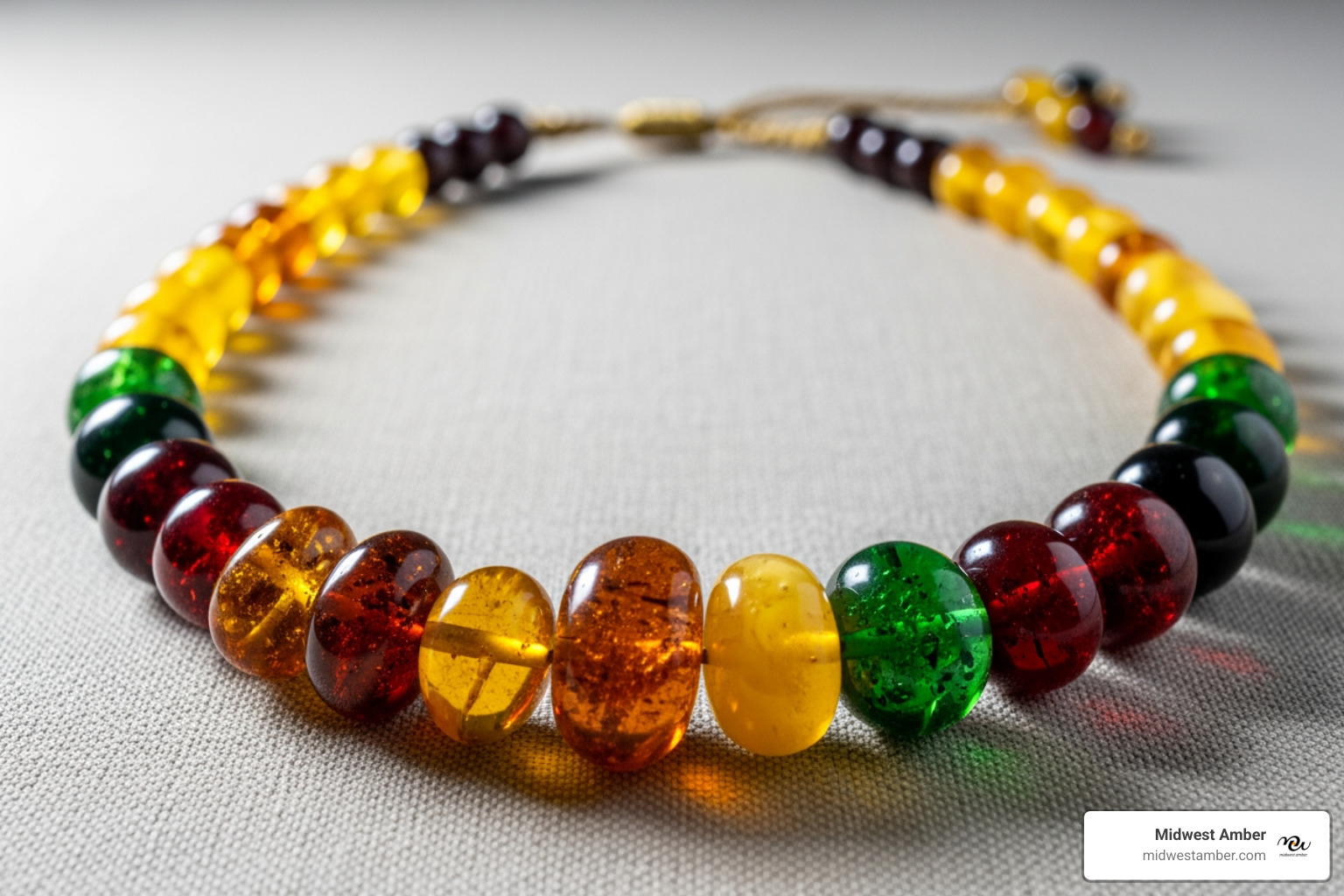
Amber for jewelry making offers artisans a unique chance to work with fossilized tree resin transformed over millions of years into a warm, glowing organic gemstone. Unlike mineral gemstones, each piece of amber tells a story of ancient forests.
Quick Guide to Amber for Jewelry Making:
- Material Type: Fossilized organic resin (not a mineral)
- Age: 40-60 million years old (Baltic amber)
- Hardness: 2-2.5 on Mohs scale (soft, requires gentle handling)
- Weight: Lightweight, comfortable for large pieces
- Colors: Honey, cognac, cherry, green, butterscotch, milky
- Common Shapes: Baroque (irregular), chip, round, nugget
- Finishes: Raw (matte) or polished (glossy)
- Best For: Necklaces, pendants, earrings (rings need protective settings)
- Key Feature: Contains 3-8% succinic acid (unique to Baltic amber)
Cherished since the Stone Age, amber was called "elektron" by the ancient Greeks for its ability to create static electricity—a property that inspired the modern word "electricity." Baltic amber, sourced primarily from the Baltic region (including Lithuania and Poland), makes up about 80% of the world's amber. It formed from ancient pine resin during the Eocene epoch and is prized for its high succinic acid content.
What makes amber special for jewelry is its organic nature. It's soft enough to work with simple tools, yet durable enough for lasting pieces. Its low density means even large statement jewelry is comfortable to wear. Perhaps most compelling is that no two amber beads are ever identical. Each piece has its own color variations, clarity, and sometimes even inclusions of ancient insects or plants.
I'm Gabriel Ciupek, President and owner of Midwest Amber, Inc. With years of experience in amber for jewelry making, I've learned that working with this organic gem requires respect for its natural properties and an understanding of its unique characteristics.
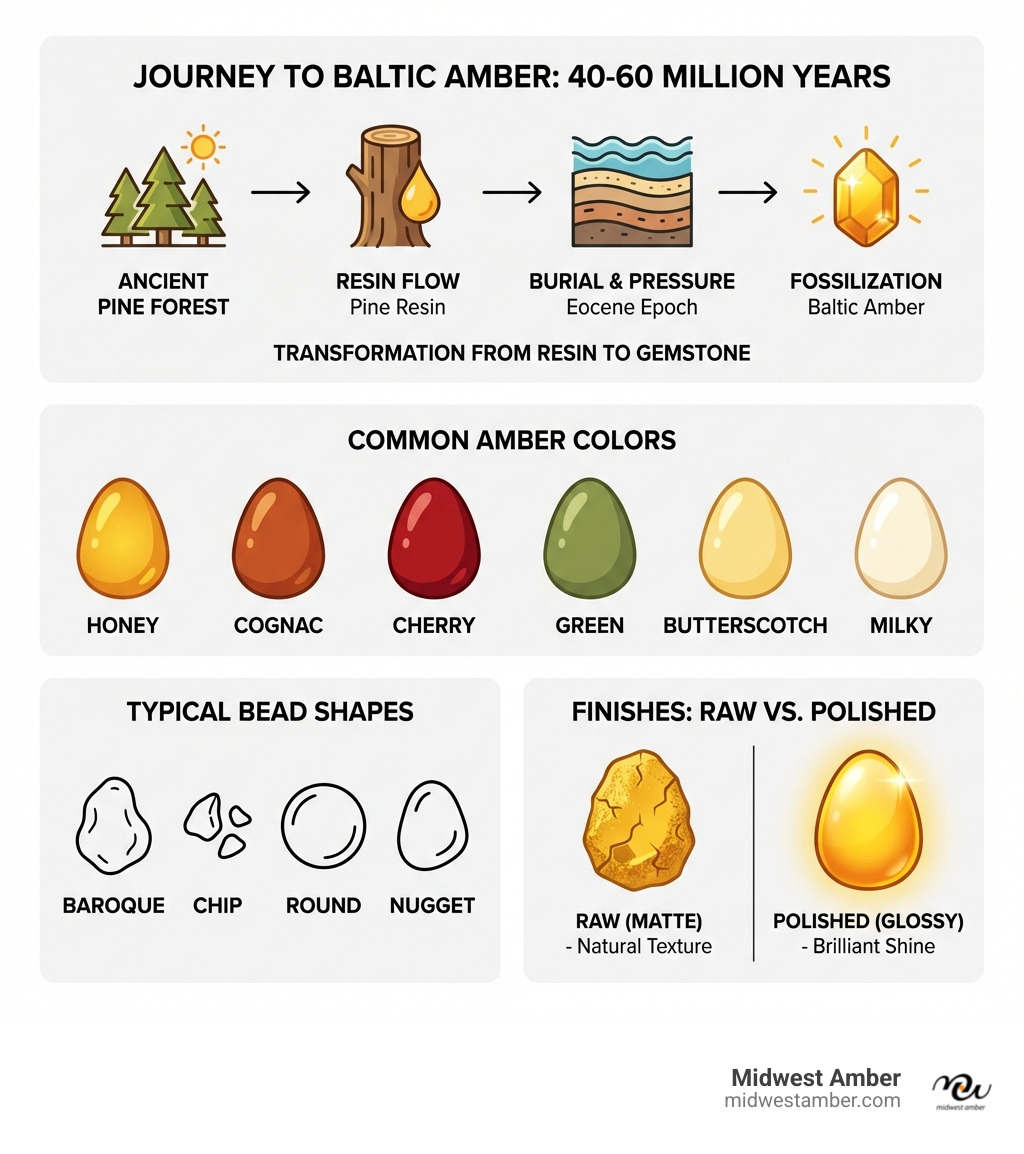
Key amber for jewelry making vocabulary:
The Allure of Baltic Amber: An Organic Gemstone
When we talk about amber for jewelry making, we're often referring to Baltic amber. It isn't a mineral or stone but an organic gemstone that originated from the resin of ancient pine trees in the Baltic Sea region 40 to 60 million years ago. Over millennia, this resin fossilized, hardening into a durable, lightweight material. This organic origin gives amber a special place in jewelry, connecting us to deep history, as shown by ancient artifacts like the Venus figure of carved amber.
One of Baltic amber's most prized aspects is its 3-8% succinic acid content. Its warm colors and lightweight nature also make it incredibly comfortable to wear, even in large designs. You can learn more about its journey in our guide, Where Does Baltic Amber Come From? A Journey to the Eocene Epoch.
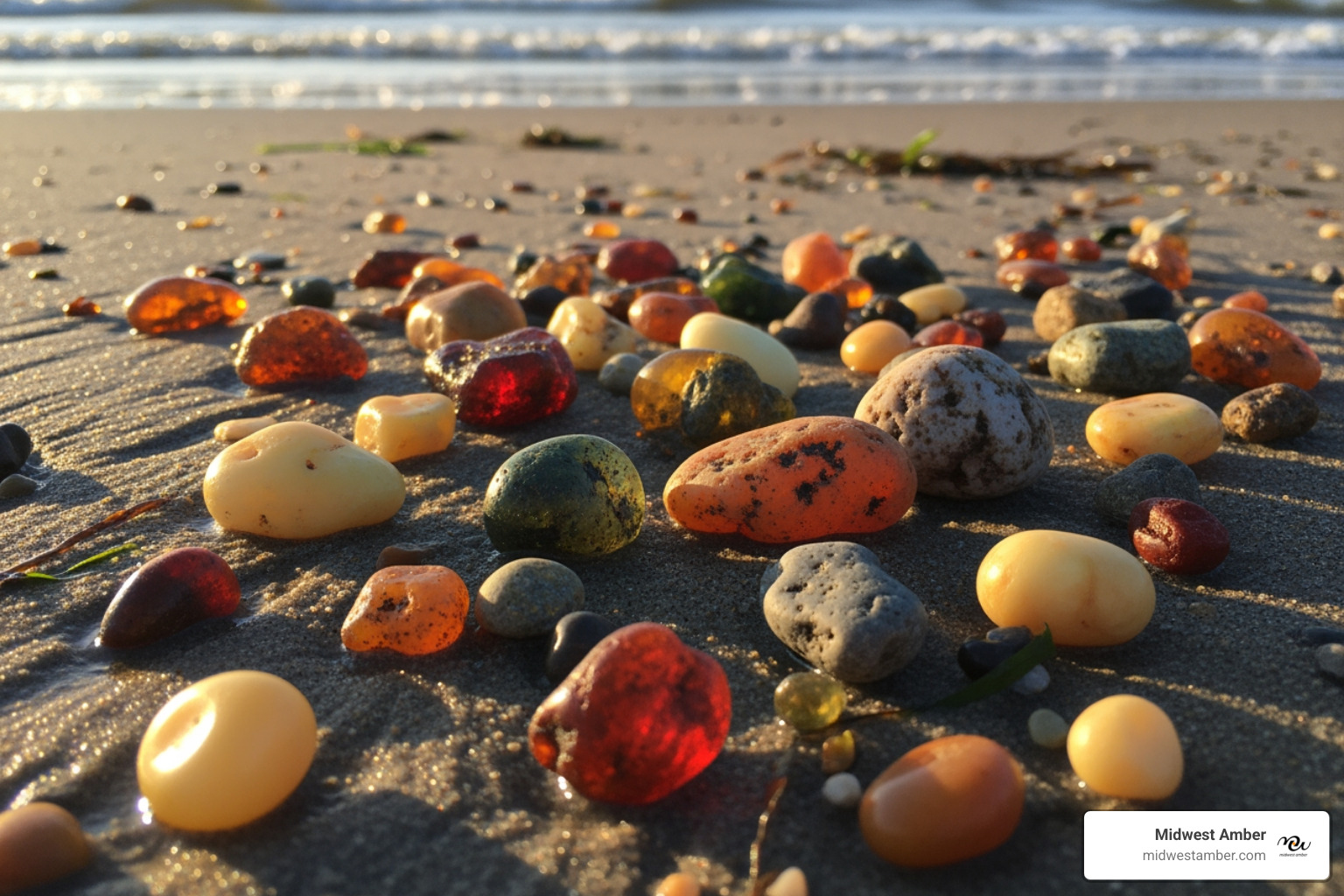
What Makes Baltic Amber Special?
The Baltic Sea region is the source of the world's highest quality amber, accounting for 80% of global deposits. Our amber is ethically sourced from Poland and Lithuania from this rich area. Beyond its age, Baltic amber (also known as succinite) is set apart by its significant succinic acid content.
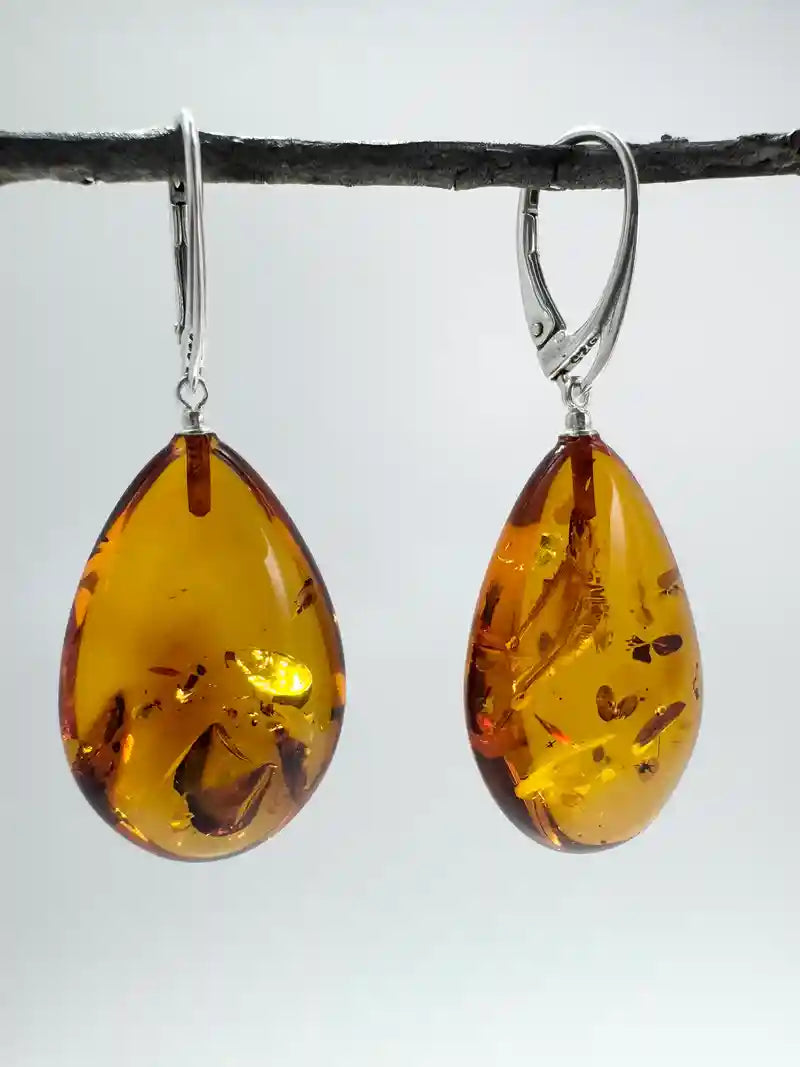
Another fascinating aspect is the presence of inclusions—tiny time capsules of insects, plants, or gas bubbles trapped within the resin. These inclusions offer a glimpse into ancient ecosystems and add unique aesthetic appeal. Since "Jurassic Park," pieces with mosquito inclusions have become highly popular. The clearer the inclusion, the higher the value. For a deeper dive, explore Beyond the Shine: Exploring the Essence of Natural Baltic Amber and our collection of Fascinating Finds: Amber Jewelry for Men Featuring Ancient Inclusions.
Distinguishing Amber from Imitations
Knowing how to identify genuine amber is crucial for anyone in amber for jewelry making. Imitations include polyester, glass, plastics, and copal (a younger, softer tree resin). Fortunately, several simple tests can help:
- Weight Test: Genuine amber is very lightweight. A piece that feels heavy for its size is likely glass.
- Warmth Test: Amber feels warm to the touch, unlike cool glass or plastic.
- Saltwater Test: Amber floats in a saturated saltwater solution (7 teaspoons of salt in a half-pint of water). Most fakes will sink.
- Static Electricity Test: Rub amber on wool for 30-60 seconds. It will generate enough static to pick up small pieces of paper.
- Scent Test (Caution advised): Gently warmed amber emits a pleasant, pine-like scent. Plastics release a chemical odor. Use extreme caution with heat.
- Acetone Test (for Copal): A drop of acetone will make copal sticky, while genuine amber remains unaffected.
For a comprehensive guide, refer to our article, Real or Resin: How to Tell If Your Amber Jewelry Is Genuine.
A Spectrum of Colors, Shapes, and Finishes
One of the most enchanting aspects of amber for jewelry making is its variety. Amber occurs in a stunning palette of warm yellows, oranges, and browns, but the spectrum is much broader:
- Honey Amber: Translucent, golden-yellow.
- Cognac Amber: Rich, reddish-brown.
- Cherry Amber: Deep, opaque red.
- Green Amber: A rarer, earthy green hue.
- Butterscotch Amber: Opaque, creamy yellow or orange.
- Milky/Egg Yolk Amber: Opaque, pale yellow.
Rarer green, blue, or violet tints can also occur. Explore these hues in From Raw to Red: A Shopper's Guide to Every Type of Amber Jewelry.
Raw vs. Polished Amber for Jewelry Making
The finish significantly affects amber's appearance. Artisans choose between raw (unpolished) and polished amber based on their design goals.
| Feature | Raw Amber | Polished Amber |
|---|---|---|
| Appearance | Matte, chalky, earthy, natural, often opaque | Glossy, smooth, translucent to transparent, brilliant |
| Texture | Slightly rough or gritty | Silky smooth, warm to the touch |
| Purported Benefits | Some believe raw amber allows for greater skin contact and thus better release of succinic acid. | Still contains succinic acid, but some believe the polishing process can reduce surface contact. |
| Best Uses in Jewelry | Rustic, natural, and bohemian designs; often preferred for baby teething jewelry. | Neat, refined, and classic designs; suitable for all types of adult jewelry. |
Raw amber retains a natural, matte surface, popular for rustic aesthetics. Some believe it offers greater therapeutic benefits due to more direct skin contact. Polished amber is buffed to a glossy finish that improves its clarity and color, ideal for refined jewelry. The choice often comes down to aesthetic preference. For more, see The Ultimate Guide to Amber Jewelry.
Popular Amber Shapes and Their Uses
The diverse shapes of amber beads allow for endless creativity in amber for jewelry making.
- Baroque Beads: Rounded and irregular, these are a staple for necklaces and bracelets, offering a natural, rustic charm.
- Chip Beads: Small, flat, irregular pieces often used in affordable designs or as accents.
- Round Beads: Perfectly spherical beads for a classic, uniform look in necklaces and bracelets.
- Nugget Beads: Larger, chunkier irregular pieces that make bold statements in necklaces and pendants.
- Cabochons: Smooth, domed pieces with a flat back, ideal for setting in rings, pendants, and earrings. See examples in Circle of Style: The Best Amber Rings for You.
These shapes are commonly used in necklaces, bracelets, earrings, rings, pendants, and brooches, often set in sterling silver or gold to complement amber's warm tones.
A Practical Guide to Amber for Jewelry Making
Working with amber for jewelry making is rewarding but requires understanding its unique properties. Amber is soft (2-2.5 on the Mohs scale), so it needs gentle handling to avoid scratches. However, this softness also makes it wonderfully workable with common tools. It's also remarkably lightweight, making it ideal for large, comfortable statement pieces.
Essential Tools and Techniques
Having the right tools and techniques makes all the difference.
- Basic Tools: A soft cloth, small drill bits for delicate materials, and various polishing compounds are essential.
- Drilling: Drill amber with a gentle touch at low speed to prevent cracking. A tiny drop of mineral oil can help lubricate and cool the process.
- Polishing: To achieve a high shine, amber is first ground to remove the outer layer, then polished on a buffing wheel with a high-wax compound. Final polishing can be done with soft mops and special compounds, or even toothpaste. For larger batches, tumbling with sand, water, pumice, and finally wood cubes with a natural paste creates a consistent, lustrous finish.
- Stringing Beads: For safety, especially in children's jewelry, always knot between each bead. This prevents beads from scattering if the string breaks and reduces choking risks.
Our Sparkle and Shine: DIY Amber Crystal Ring Tutorial offers a great starting point for your own projects.
Design Considerations for Amber Jewelry
Thoughtful design maximizes amber's beauty and ensures its longevity.
- Pairing with Metals: Amber's warm hues pair beautifully with both sterling silver and gold. Silver provides a cool contrast, while gold creates a rich, luxurious look. Explore our guides to An Essential Guide to Sterling Silver Amber Necklaces and Your Dazzling Guide to Amber Bracelets in Sterling Silver.
- Creating Multicolor Designs: Combining honey, cognac, cherry, and green amber in a single piece creates a vibrant, eye-catching effect. See how captivating these can be with our Multicolor Amber Necklaces That Shine and Find Your Perfect Multicolor Amber Bracelet.
- Designing for Durability: Given amber's softness, necklaces, pendants, and earrings are generally safer choices than rings. For rings, always use protective settings like bezels to shield the amber from scratches. Our guide, From Rough to Radiant: How to Bezel Set Amber in a Sterling Silver Bracelet, offers insights into secure setting techniques.
Beyond Beauty: Benefits, Safety, and Care
Beyond its beauty, amber for jewelry making is often chosen for purported wellness benefits. Proponents suggest that Baltic amber, when worn against the skin, releases succinic acid, which is believed to have anti-inflammatory effects. This is the basis for claims that it can soothe teething pain, reduce headaches, and provide a calming influence. You can explore these traditional beliefs further in The Healing Glow: Exploring Amber's Anti-Inflammatory and Pain-Relieving Secrets. While these beliefs are deeply rooted in folklore, scientific evidence is limited, and amber should not replace professional medical care.
Amber Care and Cleaning Guide
Proper care is essential for the delicate, organic nature of amber jewelry.
- Cleaning: Use a soft cloth with warm, soapy water (mild soap only). Avoid harsh chemicals, perfumes, and hairsprays.
- Storage: Store amber in a soft pouch or lined box, separate from harder jewelry, to prevent scratches.
- Avoid Extremes: Keep amber away from direct heat, prolonged sunlight, hot water, and open flames. Never use ultrasonic cleaners or steamers.
- Re-polishing: A professional can often re-polish amber to restore its luster if it dulls over time.
For more detailed guidance on preserving your amber's brilliance, consult the Amber Care and Cleaning Guide.
Safety Considerations for Baby Jewelry
While amber for jewelry making is often associated with baby teething jewelry, significant safety concerns exist. The U.S. Food and Drug Administration (FDA) has issued warnings about serious risks:
- Choking Hazard: Beads can break off and pose a severe choking hazard.
- Strangulation Risk: Necklaces present a strangulation risk, especially if worn during sleep.
We prioritize safety and detail these risks in our articles, Warning: What Every Parent Needs to Know About Amber Teething Necklaces and Unraveling the Risks: A Guide to Amber Bracelet Safety.
If using amber jewelry for a baby (always under strict supervision), look for safety features like individually knotted beads and secure clasps. Anklets worn under clothing are often considered a safer alternative to necklaces. Always supervise a child wearing any jewelry and remove it during sleep.
Frequently Asked Questions about Amber
Why are inclusions like insects so valuable in amber?
Inclusions are valuable because they are miniature time capsules, offering a rare window into prehistoric life by preserving ancient insects and plants in exquisite detail. The rarity, clarity, and visibility of these inclusions determine their value. Well-preserved insects in clear amber command high prices and are important for scientific research. Since "Jurassic Park," collector demand for pieces with insect inclusions has soared. Learn more at Find Your Fossil: Amber With Bugs Near You.
What are wholesale considerations for buying amber for jewelry making?
For artisans buying amber for jewelry making wholesale, here are key considerations:
- Sourcing: Work with reputable, US-based suppliers like Midwest Amber, which specializes in 100% natural, ethically sourced Baltic amber from Poland and Lithuania.
- Authenticity: Always request certification to guarantee you are receiving genuine amber. Our guide, Don't Get Fooled: The Definitive Guide to Certified Baltic Amber, can help.
- Minimum Order Quantity (MOQ): Most wholesalers have MOQs, such as a minimum of 10 bracelets or necklaces.
- Customization: Inquire about custom length options for specific design needs.
- Pricing: Amber is often priced by the gram. The final price depends on clarity, color, polish, size, and the quality of any inclusions.
How do you properly care for finished amber jewelry?
Proper care ensures your amber jewelry remains beautiful.
- Storage: Store it in a soft cloth pouch, separate from other jewelry, to prevent scratches.
- Cleaning: Clean gently with a soft cloth, lukewarm water, and a mild soap.
- Avoid Chemicals and Heat: Keep amber away from perfumes, hairspray, harsh cleaners, and extreme temperatures. Never use ultrasonic cleaners.
- Re-polishing: If the shine dulls, a professional can often restore it.
Conclusion
Our journey through amber for jewelry making reveals a material unlike any other—a "living stone" that connects us to primordial forests. We've explored what makes Baltic amber special, from its succinic acid to its captivating inclusions. We've covered its diverse colors, shapes, and finishes, and provided practical tips for working with this soft, organic gem.
We've also highlighted the importance of identifying genuine amber and underscored crucial safety considerations, especially for baby jewelry. At Midwest Amber, our commitment to 100% natural, ethically sourced Baltic amber from Poland and Lithuania is backed by over two decades of experience and certified authenticity.
Whether you're an experienced artisan or a new crafter, we hope this guide has illuminated the potential of amber for jewelry making. Accept the warmth, history, and unique story in each piece, and let your creativity flow.
Explore our comprehensive guide to learn more about what makes amber jewelry so special.

Leave a comment
This site is protected by hCaptcha and the hCaptcha Privacy Policy and Terms of Service apply.