

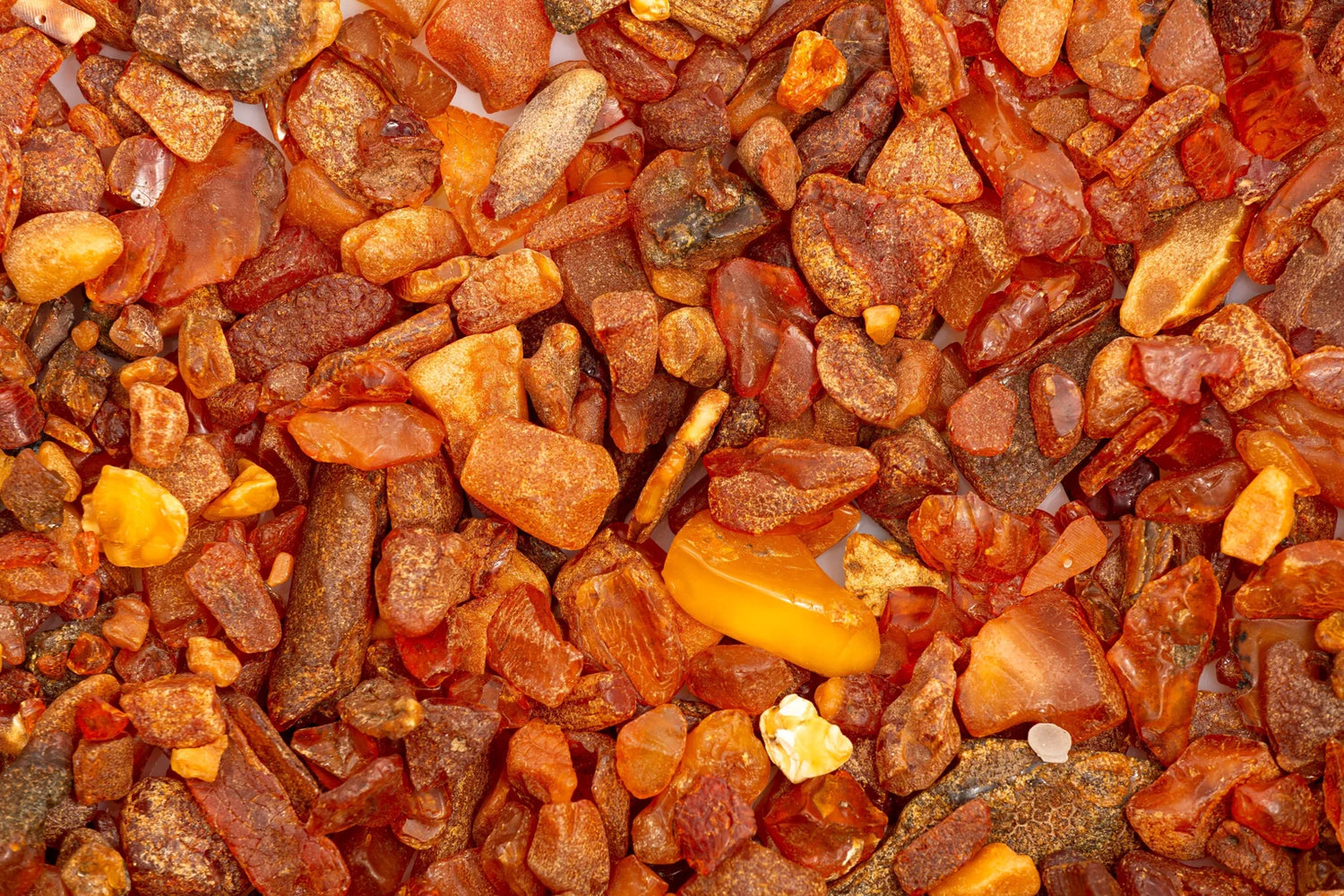
What Amber Meaning Really Is: A Quick Answer

Amber meaning refers to a fossilized tree resin that formed millions of years ago — and today carries rich scientific, historical, and symbolic significance.
Here is a quick breakdown:
| Aspect | Meaning |
|---|---|
| Scientific | Fossilized resin from ancient conifer trees, 40–320 million years old |
| Physical | Hard, translucent organic gemstone ranging from pale yellow to deep reddish-brown |
| Historical | Used in jewelry, trade, and medicine since the Stone Age — over 13,000 years ago |
| Symbolic | Associated with solar energy, warmth, protection, and healing across many cultures |
| Linguistic | From Arabic ʿanbar, later adopted into Old French and Middle English as ambre |
Amber is not a mineral. It is an organic gem — one of the few in the world — and that is a big part of what makes it so special.
It has been treasured by ancient Greeks, Roman emperors, Norse tribes, and Chinese dynasties alike. Each culture found its own meaning in the warm golden glow of this remarkable material. And yet, at its core, amber is simply ancient tree resin that survived millions of years of geological change to land in your hands.
This guide covers everything — from how amber forms deep in the earth, to what it means spiritually, to how you can identify a genuine piece.
I'm Gabriel Ciupek, President and owner of Midwest Amber, Inc., with years of hands-on experience sourcing and working with genuine Baltic amber jewelry — giving me a deep understanding of amber meaning in both its scientific and cultural dimensions. Whether you are a first-time buyer or a seasoned collector, this guide will give you everything you need.
Amber meaning terms to learn:
The Science of Fossilization: Understanding the Geological Amber Meaning
To truly grasp the amber meaning, we have to look back millions of years. Amber isn't a stone formed from minerals like a diamond or a ruby; it is an organic material born from the "lifeblood" of ancient trees. Specifically, it is fossilized tree resin.
When ancient trees—mostly extinct varieties of conifers and some flowering plants—were injured or faced dramatic climate shifts, they produced resin to seal their wounds. This resin is different from common sap. While sap is mostly water and sugars, resin is a thick, sticky substance composed of complex organic compounds called terpenes.
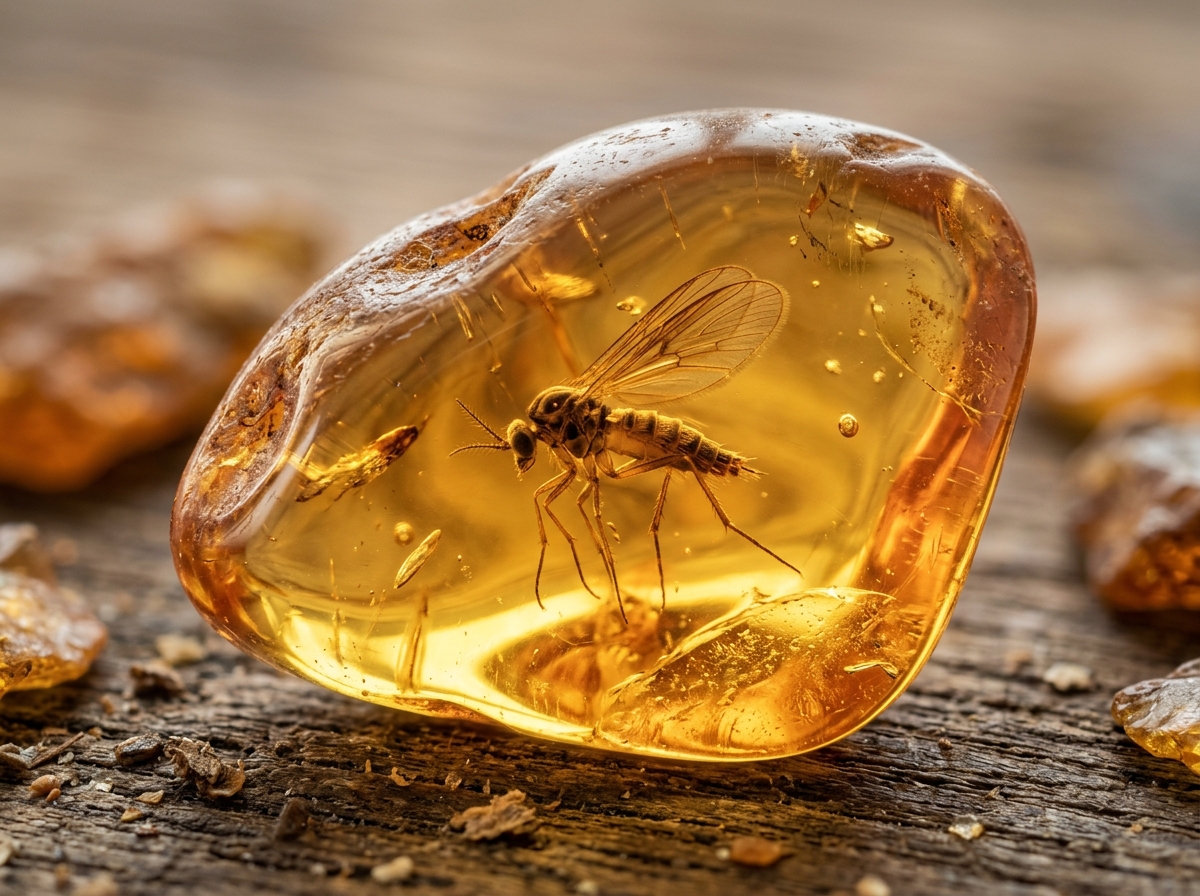
The journey from sticky resin to a hard gemstone is a process called succinosis. It requires very specific conditions: the resin must be buried in sediment, such as oxygen-poor mud or sand, to prevent it from decaying. Over millions of years, the resin undergoes molecular polymerization. This is a fancy scientific way of saying the small molecules link together to form giant, stable chains.
According to the geological record of the Carboniferous period, the oldest amber ever recovered dates back approximately 320 million years. However, most of the amber we use in jewelry today, particularly Baltic amber, formed during the Eocene epoch, roughly 40 to 60 million years ago. During this time, the volatile constituents—the parts of the resin that make it smell and stay liquid—evaporated or were squeezed out, leaving behind the polylabdanoid structure that gives amber its durability.
Chemists classify amber into five distinct classes based on these chemical structures. Research on amber's chemical composition shows that Baltic amber is unique because it contains high levels of succinic acid, a trait that distinguishes it from younger resins like copal or ambers from other regions like the Dominican Republic.
Global History and Etymology
The amber meaning has shifted and evolved just as much as the resin itself. For as long as humans have walked the earth, we have been fascinated by these "stones" that feel warm to the touch and float in salt water. In the Stone Age, as far back as 13,000 years ago, our ancestors were already carving amber into beads and amulets.
By the time of the Roman Empire, amber was a high-status luxury item. The Romans established the "Amber Road," a massive trade network that brought "The Gold of the North" from the Baltic Sea down to the Mediterranean. It was so valuable that Pliny the Elder noted a small amber figurine was worth more than a healthy slave.
Across cultures, the golden color of amber led to beautiful solar myths. The most famous is the Greek myth of Phaëton. When Phaëton, the son of the sun god Helios, was killed, his mourning sisters were turned into poplar trees. Their tears, falling into the river, hardened into elektron—amber. This poetic amber meaning as "crystallized sunlight" or "tears of the sun" persists in many folk traditions today.
Historical Etymology and the Linguistic Amber Meaning
The word "amber" has a bit of a confused history. It actually comes from the Arabic word ʿanbar, which originally referred to ambergris—a waxy substance produced by sperm whales used in perfumery. Because both fossil resin and ambergris were found washed up on beaches, ancient traders often confused the two.
Eventually, the word moved into Old French as aumbre and Middle English as ambre. To clear up the confusion, the whale substance became known as "ambergris" (gray amber), while the tree resin became "yellow amber." If you look at the Merriam-Webster definition of amber, you'll see it is now strictly defined as a hard, yellowish to brownish translucent fossil resin.
Ancient Greek Influence and the Linguistic Amber Meaning
The Greeks gave us one of the most important scientific links to amber. They called it ἤλεκτρον (elektron), meaning "beaming sun." They noticed that when you rub a piece of amber against a cloth, it develops the ability to pick up small feathers or bits of dried grass.
In the 1600s, the scientist William Gilbert used the Latin word electricus ("like amber") to describe this force, which eventually gave us the modern word "electricity." So, every time you flip a light switch, you are technically using a word born from the ancient Greek amber meaning!
Physical Properties and Global Varieties
Amber is an amorphous solid, meaning it doesn't have a crystalline structure like quartz. This makes it surprisingly lightweight and warm against the skin. On the Mohs scale of hardness, it sits between 2.0 and 2.5—about the same as a fingernail—which is why it must be handled with care.
While we often think of amber as just "honey-colored," it actually occurs in hundreds of different shades. The turbidity (cloudiness) of some pieces is caused by millions of tiny air bubbles trapped inside. "Bone amber" is a milky-white variety that was highly prized in ancient times for its supposed higher succinic acid content.
| Feature | Baltic Amber | Dominican Amber | Burmese Amber |
|---|---|---|---|
| Age | 40–60 Million Years | 15–25 Million Years | ~99 Million Years |
| Succinic Acid | High (3–8%) | Little to none | Little to none |
| Color Range | Yellow, Gold, Butter, Cognac | Yellow, Orange, Rare Blue | Red, Brown, Dark Gold |
| Common Source | Baltic Sea (Poland/Lithuania) | Hispaniola | Myanmar |
One of the most elusive varieties is blue amber. Only about 100 kg of this rare material is found each year in the Dominican Republic. It looks brownish-yellow in normal light but glows a vibrant blue under direct sunlight due to natural fluorescence.
Unique Characteristics of Baltic Amber
At Midwest Amber, we specialize in Baltic amber because it is scientifically and historically superior. Known as "succinite," it is the only variety that contains high concentrations of succinic acid. This amber originated from vast Scandinavian forests that were eventually flooded, depositing the resin in marine sediments along the shores of Poland and Lithuania.
The craftsmanship of Polish and Lithuanian artisans is world-renowned. They have spent centuries learning how to cut and polish this delicate material to highlight its natural inclusions without damaging its integrity. When we talk about the amber meaning in a modern context, we are talking about this heritage of quality and authenticity.
Metaphysical Benefits and Symbolism
Beyond the science, the spiritual amber meaning is what draws many people to this gem. Because it contains the energy of ancient trees and the sun, it is often called the "Gold of the North." It is seen as a bridge between the earth and the sky.
Many believe that amber acts as a natural negative ion generator. When worn against the skin, the warmth of the body is said to release tiny amounts of oil, helping to balance the wearer's energy. In chakras, amber is closely linked to the Solar Plexus and Throat chakras, promoting confidence, clear communication, and a sense of vitality.
Spiritual Symbolism and the Healing Amber Meaning
For centuries, Baltic amber has been used in folk medicine. The primary active ingredient is succinic acid, which is recognized as a natural analgesic and anti-inflammatory agent.
Historically, people used amber for:
- Teething Lore: Traditional amber teething necklaces have been used for generations in Europe to help soothe infants (though modern parents should always follow safety guidelines and consult a pediatrician).
- Stress Relief: The warm, grounding energy of amber is said to help transmute negative energy into positive, lighter frequencies.
- Natural Healing: Martin Luther famously carried a piece of amber to ward off kidney stones, and many ancient physicians used pulverized amber in elixirs to treat everything from heart ailments to joint pain.
Identification and Maintenance of Fossil Resin
Because amber is valuable, the market is unfortunately full of imitations like plastic, glass, or "copal" (young resin that hasn't fully fossilized). Knowing how to identify the real thing is essential to understanding the true amber meaning.
How to Test Your Amber:
- The Saltwater Test: Genuine amber floats in highly saturated salt water (about 1 part salt to 2 parts water), while most plastics and glass will sink.
- Static Friction: Rub the amber briskly against a piece of wool. Real amber will become statically charged and pick up small bits of paper.
- The Scent Test: If you rub it until it gets warm, or if a professional applies a hot needle to an inconspicuous spot, real amber will smell like pine or resin. Plastic will smell like chemicals or burnt fuel.
Caring for Your Jewelry: Amber is an "organic" gem, which means it is sensitive. To maintain its properties and glow:
- Avoid Chemicals: Keep it away from hairspray, perfume, and harsh cleaning agents.
- Clean Gently: Use a soft cloth and plain water. Never use an ultrasonic cleaner.
- Charge it: Many collectors believe in "charging" amber in gentle, direct sunlight for a few hours to refresh its energy.
Frequently Asked Questions about Amber
Is amber a stone? Technically, no. It is a fossilized resin. However, because it is used like a gemstone in jewelry, it is often called an "organic gemstone," similar to pearl or coral.
What is the difference between sap and resin? Sap is the fluid that carries nutrients through a tree (like blood). Resin is a thicker substance used for protection and healing (like a scab). Only resin turns into amber.
Why are inclusions valuable? Inclusions—trapped insects, leaves, or air bubbles—are like tiny time capsules. They allow scientists to study ecosystems from 50 million years ago. For a collector, an inclusion makes a piece of jewelry completely one-of-a-kind.
Conclusion
The amber meaning is a tapestry woven from millions of years of geology, ancient mythology, and modern craftsmanship. Whether you value it for its scientific importance, its historical "Amber Road" legacy, or its warm, healing energy, there is no denying that amber is a gift from the ancient world.
At Midwest Amber, we are passionate about preserving this heritage. Our handcrafted Baltic amber jewelry is sourced directly from ethical Polish and Lithuanian artisans who have been working with this "Gold of the North" for generations. We ensure that every piece is 100% natural and certified authentic, so you can carry a piece of history with you.
From the shores of the Baltic Sea to our locations in Arlington Heights, Chicago, and across the Midwest, we invite you to explore the timeless elegance of genuine fossil resin.
Ready to find a piece that resonates with you? Shop genuine Baltic amber jewelry at Midwest Amber and experience the warmth and history of the world's most fascinating organic gem.

Leave a comment
This site is protected by hCaptcha and the hCaptcha Privacy Policy and Terms of Service apply.