


How to Choose Amber Beads Worth Buying

For genuine amber beads, start with the material, not the color. Natural amber is fossilized tree resin; amber-colored glass and plastic are not. Look for a seller who states the bead's origin and any treatments, shows clear photos, and lists the bead size and hole diameter. For jewelry making, check that the hole fits your cord or findings before you buy.
Raw Baltic nuggets show off amber's natural shape, while polished beads give necklaces and bracelets a smoother, more even look. Neither finish proves authenticity. This guide will help you compare styles, spot misleading labels, and choose beads that suit your project.
I'm Gabriel Ciupek, president and owner of Midwest Amber. My work with suppliers, quality checks, and customers helps me guide buyers toward amber beads that match what they're looking for.
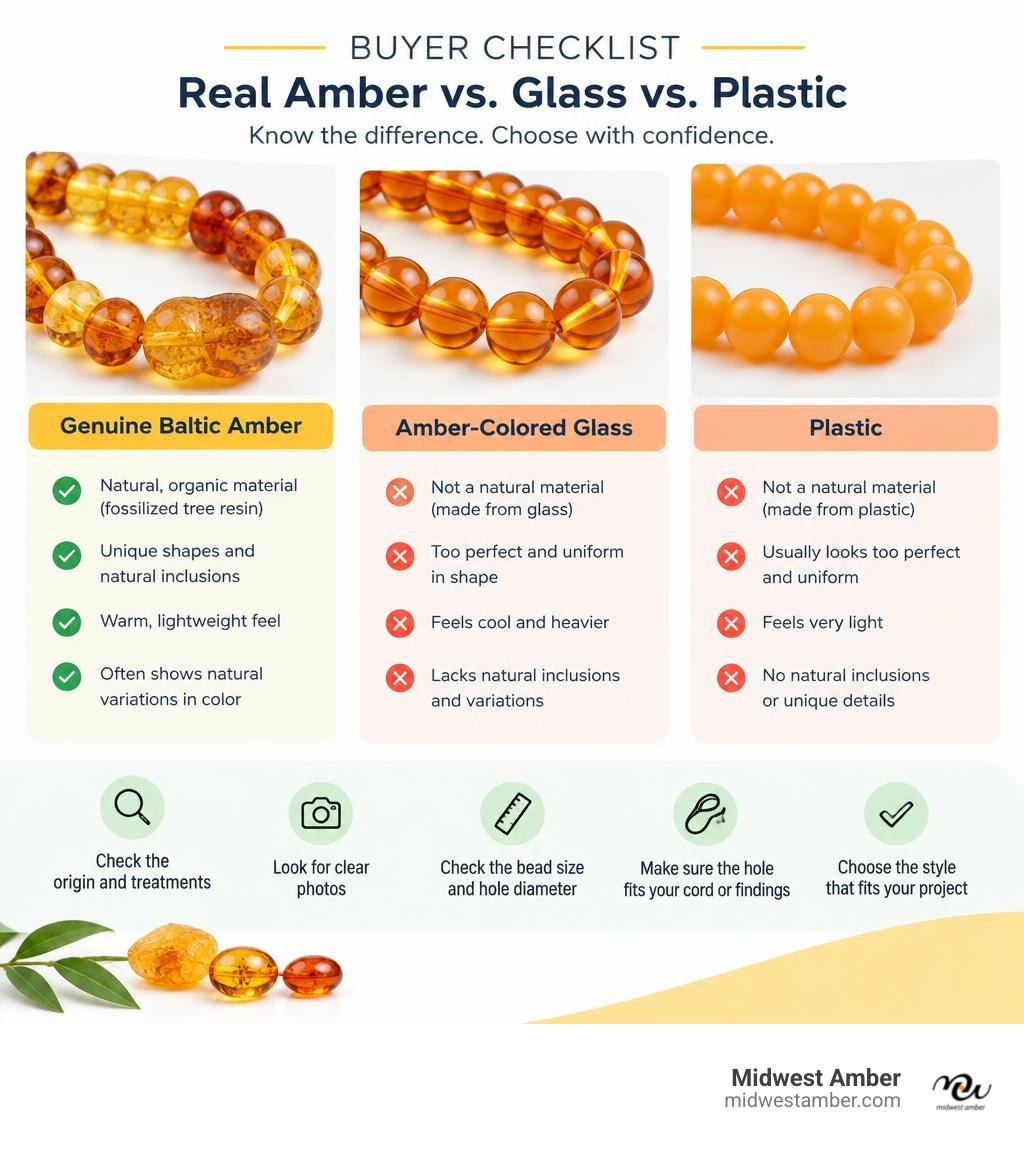
Amber beads terms explained:
Types of Amber Beads: Genuine Baltic Amber and Its Natural Variations
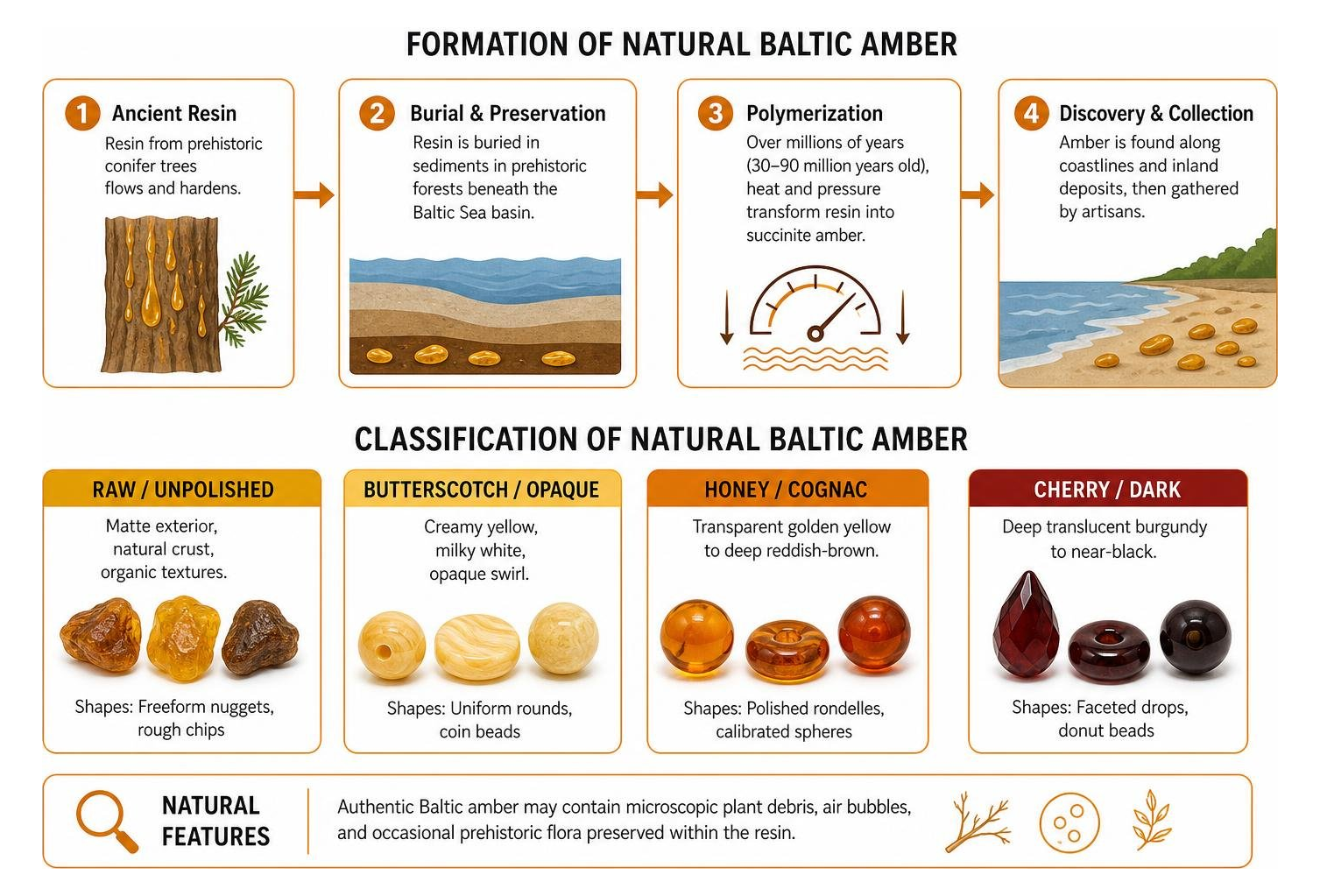
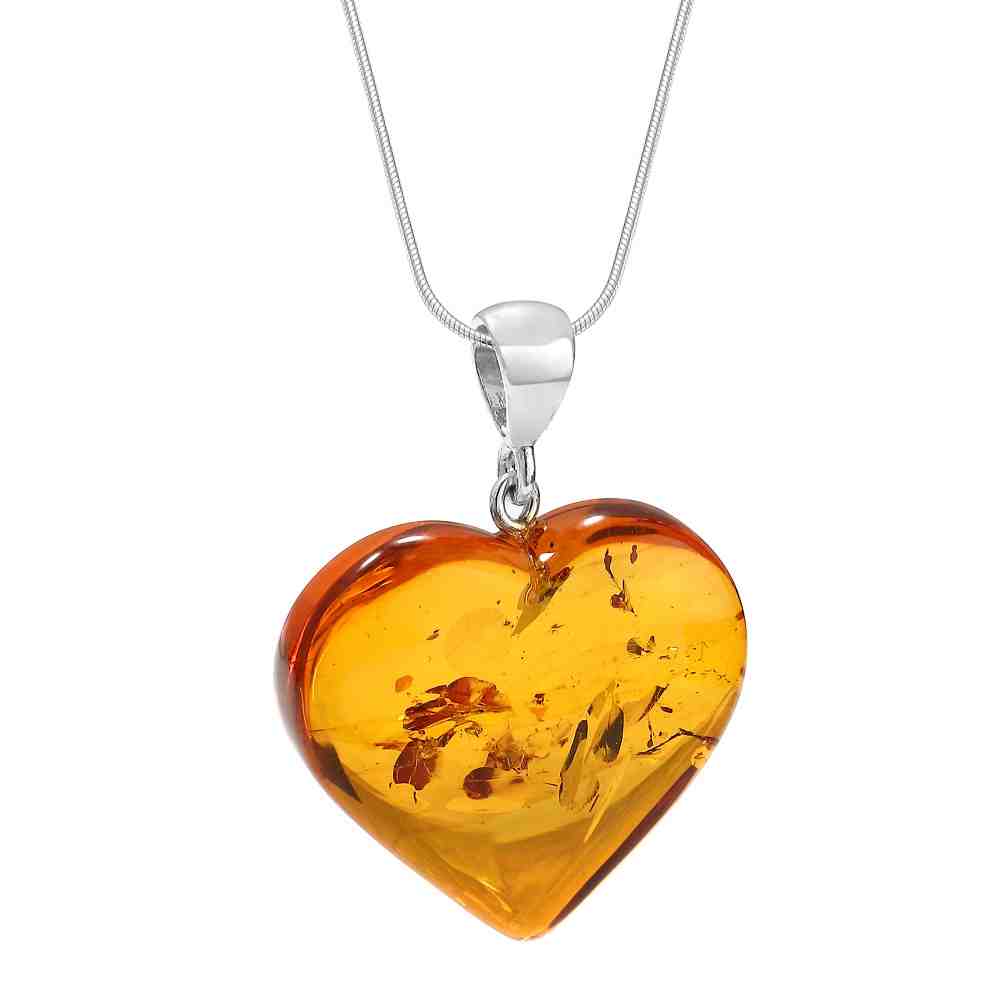
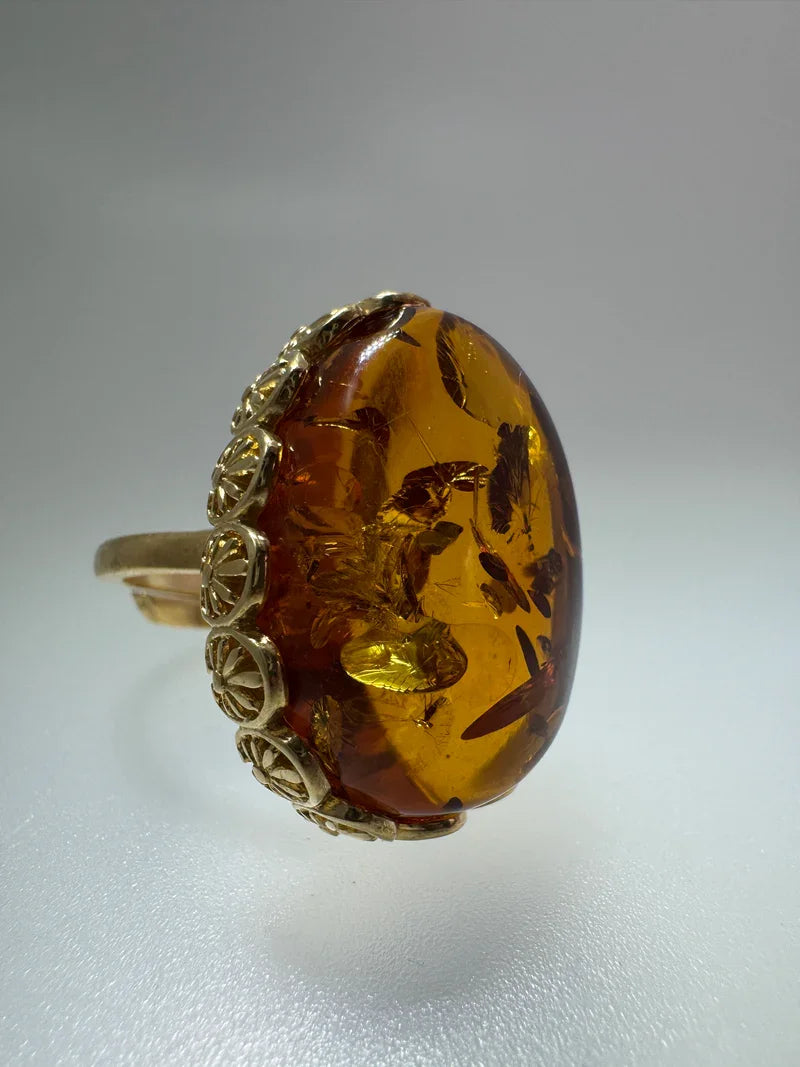
Natural amber is an organic gemstone created when ancient conifer resins underwent millions of years of polymerization under heat and geological pressure. Most of the world's natural amber is between 30 and 90 million years old, originating largely from prehistoric forests submerged beneath the modern Baltic Sea basin. Scientifically classified as succinite due to its rich concentrations of succinic acid, natural Baltic amber stands apart from inorganic minerals because it is warm to the touch, remarkably lightweight, and rich with subtle botanical nuances.
Researchers examining organic materials have explored complex molecular preservation, much like the methods detailed in scientific structural analysis of resin fossils. In authentic Baltic amber, this organic preservation captures microscopic plant debris, air bubbles, and occasional prehistoric flora, creating one-of-a-kind internal patterns within every bead.
| Amber Variety | Visual Appearance | Common Shapes | Typical Uses |
|---|---|---|---|
| Raw / Unpolished | Matte exterior, natural crust, organic textures | Freeform nuggets, rough chips | Rustic necklaces, organic bracelets |
| Butterscotch / Opaque | Creamy yellow, milky white, opaque swirl | Uniform rounds, coin beads | Fine jewelry, statement earrings, rings |
| Honey / Cognac | Transparent golden yellow to deep reddish-brown | Polished rondelles, calibrated spheres | Classic pendants, layered strands |
| Cherry / Dark | Deep translucent burgundy to near-black | Faceted drops, donut beads | Brooches, high-contrast bracelet accents |
Sourcing Authentic Raw Baltic Amber Beads
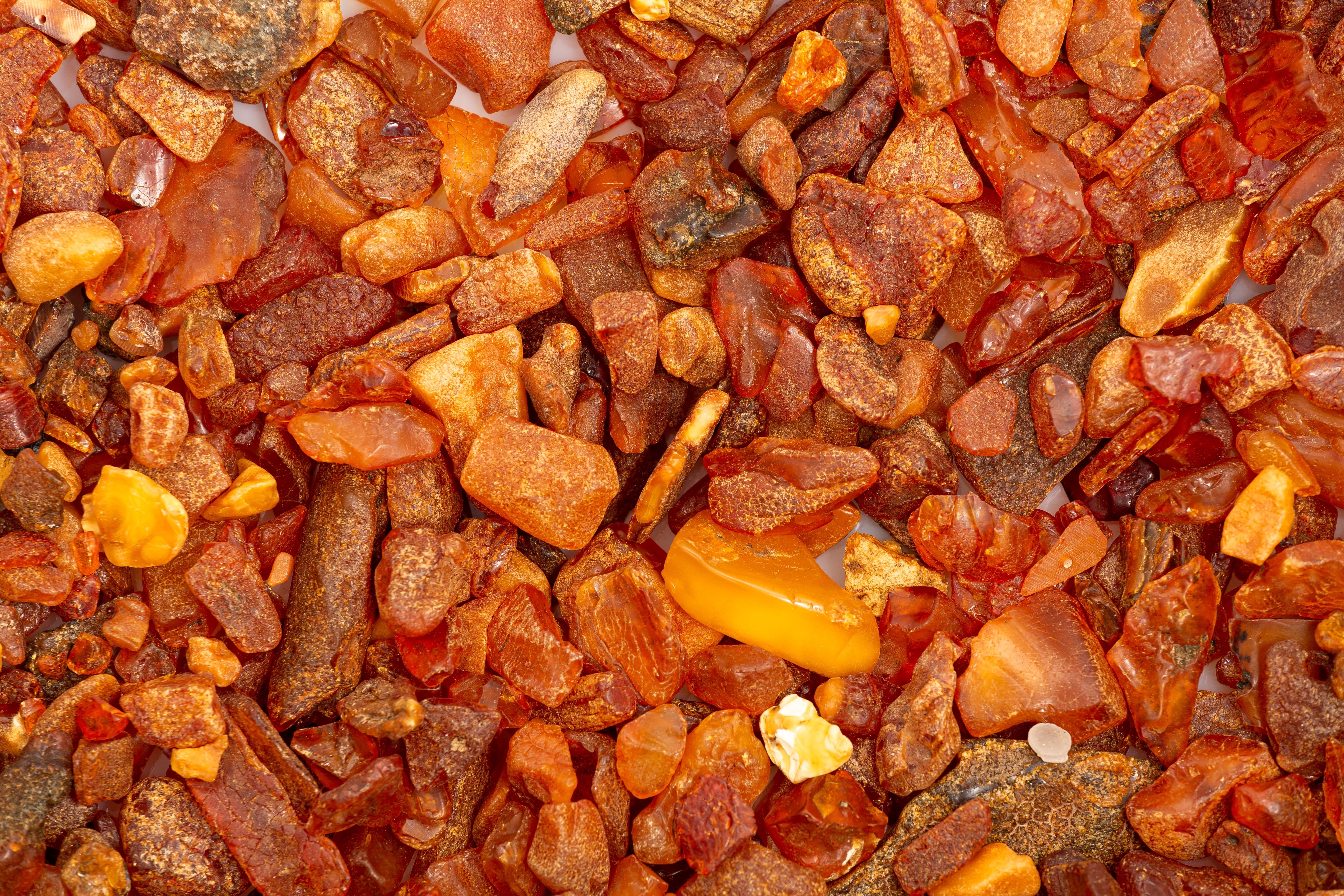
For centuries, Polish and Lithuanian artisans have gathered Baltic amber along coastal shores, including the beaches of Gdańsk and the Curonian Spit, as well as rich inland sedimentary deposits. Craftsmen evaluate the rough organic crust, carefully preserving natural inclusions and textural contours while shaping each piece into wearable art. Our partners in Poland and Lithuania use heritage techniques to hand-drill and polish rough stones into amber beads for jewelry making.
Natural colors range from pale lemon and opaque butterscotch to rich honey, cognac, and deep cherry. Freeform raw nugget shapes preserve the raw character of the amber, offering tactile warmth and natural beauty that machine-cut stones cannot replicate. Whether selected for delicate earrings or bold statement strands, these genuine gemstones reflect centuries of European jewelry tradition.
Identifying Authentic Amber: Provenance, Testing, and Sizing Standards
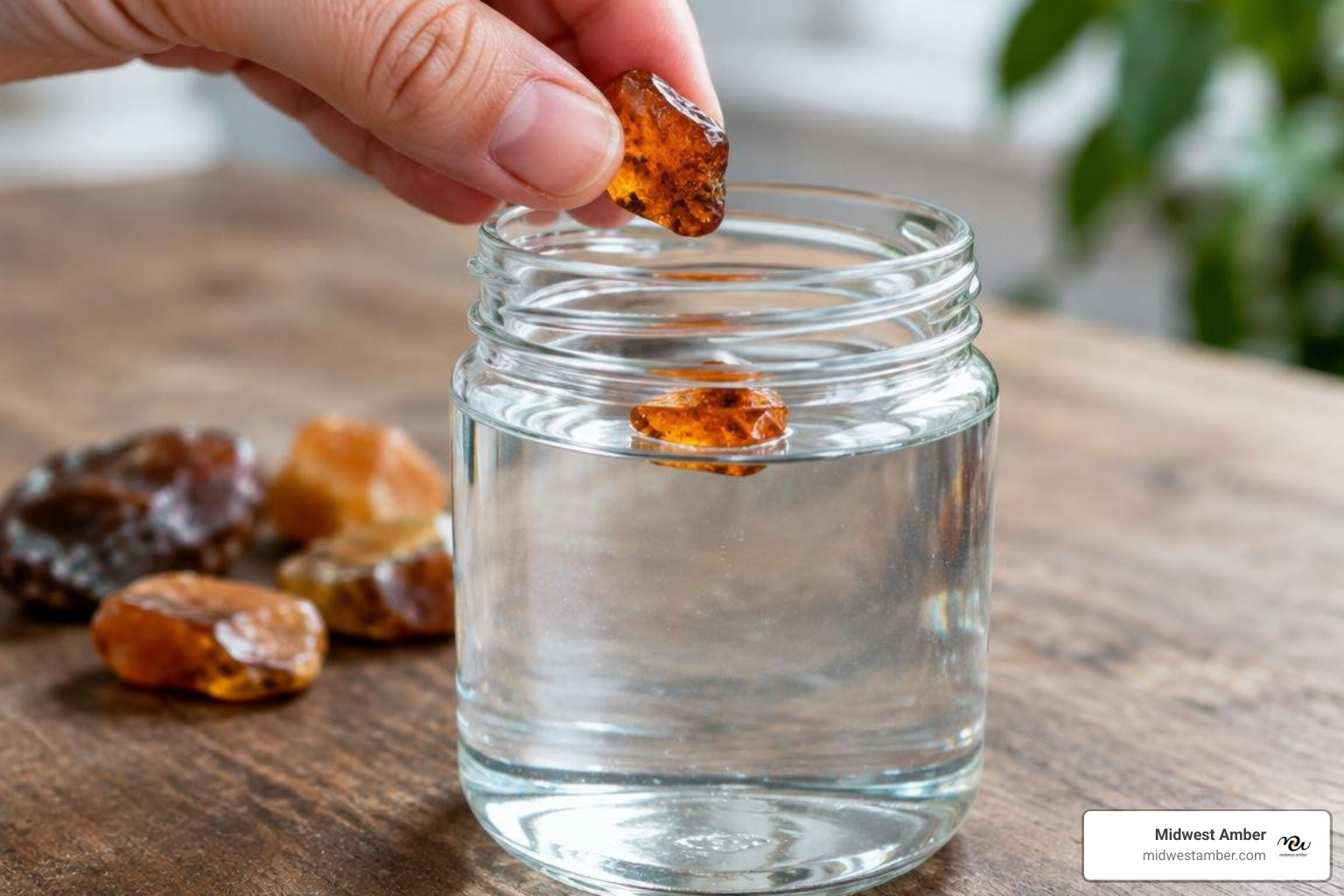
Determining whether a bead is natural Baltic amber requires an understanding of its physical and chemical properties. Collectors seeking antique amber beads for sale rely on reliable diagnostic tests:
- Saltwater Buoyancy Test: Natural amber has a low specific gravity (1.05 to 1.10). In a saturated saltwater solution (dissolve 1 part table salt into 2 parts warm water), genuine amber floats effortlessly, whereas dense glass and heavy inorganic minerals sink immediately.
- Electrostatic Friction: Rubbing amber vigorously against a natural wool or silk cloth produces a negative electrostatic charge. Genuine amber will readily attract small shreds of paper, lightweight lint, or fine threads.
- Thermal Touch: Because amber is a natural fossilized resin rather than a dense rock or glass crystal, it acts as a poor thermal conductor. It feels pleasantly warm immediately when touched against the skin.
- UV Fluorescence: Under long-wave ultraviolet light, most genuine Baltic amber displays a characteristic bluish-white or greenish fluorescence, while non-amber materials remain inert or fluoresce with distinctly different hues.
Standard Bead Dimensions and Hole Sizes
Bead dimensions and hole sizes determine which stringing materials you can use for your jewelry projects:
- Standard Jewelry Stringing (0.8 mm Hole): Most modern gemstone beads feature a 0.8 mm drill hole, optimized for flexible beading wire, fine silk, or elastic cord.
- Artisan & Leather Stringing (2.0 mm to 3.0 mm Hole): Historical beads or modern large-hole beads feature wide channels to accommodate thick linen cords, braided hemp, leather thongs, and metal pins.
- Nugget Bead Grading: Freeform nuggets are typically measured across their length and width ranges (such as 7–8 mm by 9–16 mm), offering organic silhouettes for layered strands.
- Calibrated Spheres & Rondelles: Symmetrically shaped beads are calibrated to exact millimeter diameters, such as 6 mm, 8 mm, 12 mm, or 16 mm rounds, ensuring balanced symmetry in bracelets and necklaces.
Value Factors and Natural Formations
Color rarity, clarity, size, and craftsmanship all influence the value of genuine Baltic amber. Large, clear nuggets and rare opaque butterscotch or natural gray varieties command higher value because larger rough specimens occur less frequently in nature. Natural amber may also display a subtle organic crust, swirl patterns, or fine internal veining, all of which reflect its authentic geological formation rather than a flaw.
Before selecting materials for a project, explore our detailed amber for jewelry making guide to understand how cut, clarity, and polish affect design work and structural balance across various jewelry styles.
Historical Reenactment and Jewelry Design Applications
During early Medieval Europe (600–850 AD) and the Viking Age, Baltic amber was a primary luxury trade commodity. Scandinavian and Anglo-Saxon traders carried amber beads along riverways and sea routes across the continent, exchanging them for precious metals and textiles. Archaeologists frequently uncover amber beads strung between paired shoulder brooches as festoons, highlighting their historical status, protective symbolism, and visual appeal.
Today, artisans in communities across Illinois—including workshops in Crystal Lake, Long Grove, and Schaumburg—continue this tradition of artisan jewelry making, combining historical techniques with contemporary aesthetics to create lasting heirloom pieces.
Selecting Amber Beads for Historical Reenactment and Modern Crafting
When creating historically inspired pieces, select freeform amber nuggets or hand-turned barrel beads with wide drill holes (2 mm to 3 mm). Reenactors string these pieces on natural unbleached linen cord, hemp twine, or fine leather thongs. Hand-shaped amber beads pair naturally with cast bronze or silver spacers to replicate early Medieval finds and museum artifacts with authentic accuracy.
Popular Styles in Handcrafted Amber Jewelry
Modern jewelry makers and collectors incorporate Baltic amber into diverse styles:
- European-Style Charms: Accent your modular bracelets with an amber donut bracelet bead with sterling silver core, designed for seamless layering.
- Modular Donut Charms: Customize charm collections with genuine Baltic amber donut bead bracelet inserts, crafted by Lithuanian artisans.
- Multi-Tone Coin Strands: Display amber's color spectrum with a handmade Baltic amber coin bead necklace featuring butterscotch, lemon, honey, and cherry tones.
- Graduated Ombre Arrangements: Capture luminous color transitions using a genuine Baltic amber ombre necklace with donut shape amber beads.
- Substantial Statement Spheres: For bold silhouettes, wear a rare natural gray Baltic amber bracelet with 16mm round beads that highlights rare earthy hues.
Frequently Asked Questions About Amber Beads
How can you identify genuine amber beads?
Genuine Baltic amber floats in saturated saltwater, warms quickly against the skin, generates static electricity when rubbed with natural cloth, and weighs significantly less than glass or stone. Under UV light, most genuine Baltic amber also shows a soft bluish-white or greenish fluorescence.
Why do hole sizes differ between modern amber beads and historical beads?
Modern beads are typically drilled with 0.8 mm holes to accommodate jewelry wire and beading needles. Historical reproduction beads feature 2 mm to 3 mm holes to allow stringing on thick linen cords, hemp thread, or leather thongs.
Where does the highest quality authentic amber originate?
The highest quality authentic amber comes from the Baltic Sea basin, primarily along the coastlines of Poland and Lithuania. This succinite resin yields durable, high-clarity specimens celebrated for their warmth and color variety.
Conclusion
Genuine Baltic amber connects wearers to millions of years of natural history and centuries of European craftsmanship. At Midwest Amber, we draw on more than 20 years of experience, collaborating directly with Polish and Lithuanian artisans to bring you 100% natural, ethically sourced amber jewelry. Whether you are designing custom rings, necklaces, bracelets, earrings, pendants, or brooches, our authentic Baltic stones provide timeless beauty and enduring value.
Discover the rich warmth of certified Baltic amber by exploring the ultimate guide to amber jewelry, or browse our handcrafted collections online to find your next heirloom piece.

Leave a comment
This site is protected by hCaptcha and the hCaptcha Privacy Policy and Terms of Service apply.