

Why Ethical Amber Jewelry Matters More Than You Think
amber jewelry ethical sourcing is a real concern — and knowing what to look for can protect you from fakes, fund exploitative practices, or harm fragile coastal ecosystems. Here's a quick summary of what responsible amber shopping looks like:
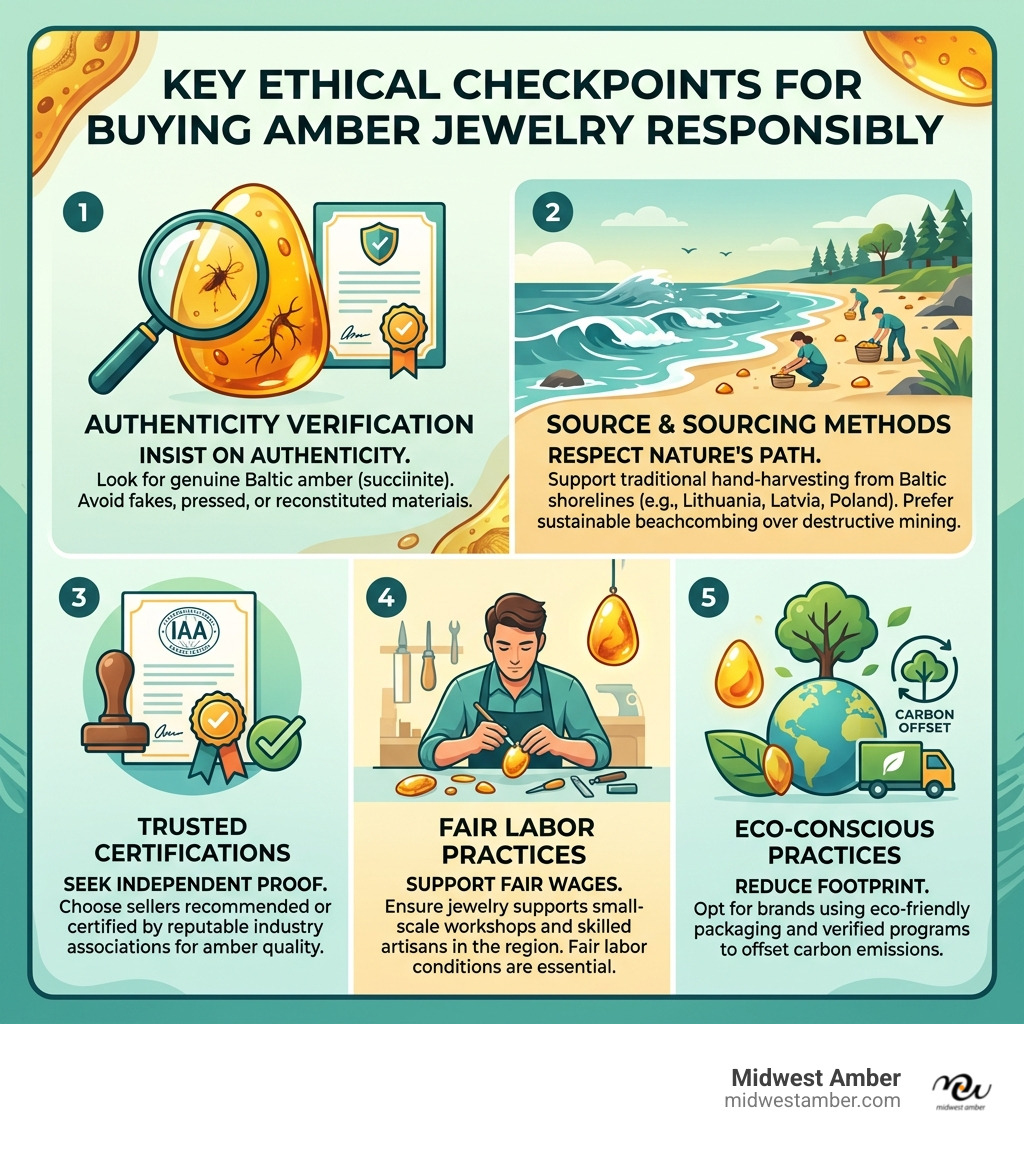
- Source matters: Genuine Baltic amber is collected from shorelines in Lithuania, Latvia, and Poland — ideally hand-harvested by beachcombers after storms, not mined destructively
- Authenticity is ethics: Fake or pressed amber misleads buyers and undermines artisans who work with real fossilized resin
- Look for certifications: The International Amber Association (IAA) certifies authentic Baltic amber and recommends verified sellers
- Fair labor counts: Ethical brands support small-scale Polish and Lithuanian workshops where skilled artisans handcraft each piece
- Eco-conscious shipping: Leading brands offset their carbon footprint through verified carbon removal programs
Amber is one of nature's most remarkable materials. It is fossilized tree resin — formed over 30 to 50 million years ago — that preserves ancient ecosystems in breathtaking detail. Over 1,000 extinct animal species have been identified trapped inside amber specimens. It is, quite literally, a window into prehistoric life.
But that ancient, irreplaceable origin is exactly why ethics matter here. Not all amber on the market is what it claims to be. And not all of it is sourced in ways that protect people, places, or the planet.
I'm Gabriel Ciupek, President of Midwest Amber, Inc., with decades of experience in the Baltic amber jewelry industry — sourcing, evaluating, and bringing genuinely ethical amber jewelry ethical standards to customers across the United States. In this guide, I'll walk you through everything you need to know to shop with confidence and conscience.
Sourcing Methods and Environmental Impact
When we talk about amber jewelry ethical standards, we have to start at the water's edge. Most people imagine amber being dug out of deep, industrial mines. While mining does exist, the most environmentally friendly and traditional method of sourcing is beachcombing.
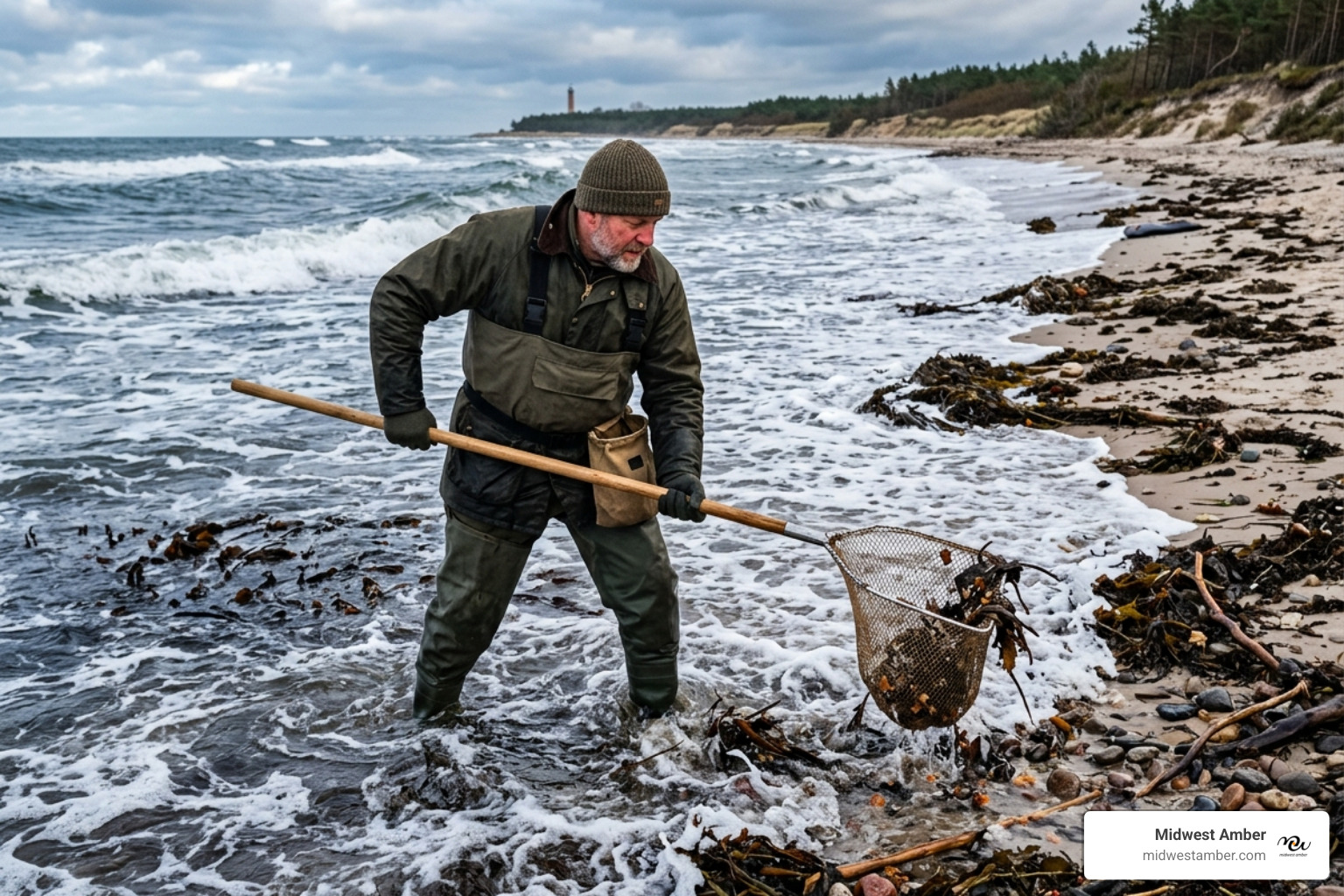
In the Baltic Sea region—specifically along the coasts of Poland and Lithuania—nature does the heavy lifting for us. Over millions of years, natural erosion releases amber from the seabed. During heavy storms, the agitated sea tosses these "tears of the sun" onto the sandy shores.
Ethical amber hunters wait for these storms to pass. When the waves are about one meter high—striking a balance between safety and the power needed to churn up the sea floor—hunters head out with skimming nets. They wade into the shallow waters, catching seaweed and debris that often hide precious amber nuggets. This method has virtually zero impact on the marine ecosystem because it relies on what the ocean has already naturally displaced.
By choosing amber collected this way, we avoid the heavy machinery and land disruption associated with large-scale open-pit mining. It is a slow, patient process that respects the rhythm of the Baltic Sea. For those interested in the deep roots of these traditions, our Amber from Lithuania: Complete Guide explores how this heritage continues to thrive today.
Defining Authentic Amber Jewelry Ethical Standards
To shop responsibly, one must first understand what "authentic" means in amber. Genuine Baltic amber is scientifically known as succinite. It is not a mineral, but fossilized resin from ancient coniferous trees that flourished 30 to 50 million years ago.
Because it is organic, it has unique properties. It is warm to the touch, lightweight, and relatively soft, sitting at a 2 to 2.5 on the Mohs hardness scale. One of the most fascinating aspects of authentic amber is the presence of inclusions—tiny prehistoric "time capsules" of plant matter or insects that were trapped in the sticky resin eons ago.
However, the market is flooded with materials that look like amber but lack its history and healing properties. Understanding the difference is the first step in The Amber Truth: Unlocking the Secrets of Genuine Stones.
Why Authenticity is an Amber Jewelry Ethical Concern
Why do we categorize authenticity as an ethical issue? Because transparency is the foundation of any ethical transaction. When a consumer buys amber jewelry ethical pieces, they are often looking for the natural succinic acid believed to provide therapeutic benefits, or they are investing in a piece of natural history.
Selling "pressed" amber (small scraps fused together under high heat and pressure) or "copal" (younger, sub-fossilized resin) as ancient Baltic amber is a form of consumer deception. Even worse are plastic or glass imitations. These fakes undermine the livelihoods of genuine Polish and Lithuanian artisans who spend years perfecting their craft with raw, natural stones. To protect yourself, we recommend reading Real or Resin: How to Tell if Your Amber Jewelry is Genuine to learn about simple tests like the saltwater float or UV light test.
For a deeper dive into avoiding these pitfalls, consult Don't Get Fooled: A Buyer's Guide to Authentic Stone Jewelry.
Identifying Sustainable Amber Jewelry Ethical Brands
How can you tell if a brand is actually walking the walk? Look for clear indicators of accountability:
- IAA Certification: The International Amber Association (IAA) is the gold standard. They verify that the amber is genuine Baltic origin and that the seller follows strict ethical guidelines.
- Supply Chain Transparency: A responsible brand should be able to tell you exactly where their amber comes from—whether it's the shores of Gdansk or the coast of Lithuania.
- Longevity and Reputation: Brands with decades of experience, like our team here at Midwest Amber, have established long-term relationships with local collectors and workshops, ensuring a consistent ethical chain.
You can find more tips on finding these reputable sources in our guide on Real Deal Amber: Where to Buy Certified Baltic Amber Jewelry.
Sustainability from Craftsmanship to Shipping
The journey of an amber jewelry ethical piece doesn't end when the stone is found. Every step from the jeweler's bench to your doorstep carries an environmental footprint.
We believe that high-quality craftsmanship should go hand-in-hand with planetary care. This includes using recycled precious metals, such as .925 sterling silver, to reduce the demand for new mining. It also means rethinking how we package and ship our treasures.
Many ethical brands now participate in carbon-neutral shipping initiatives. By funding carbon removal projects—such as reforestation or direct air capture—we can offset the emissions generated by delivering your jewelry. To date, participating brands and customers in the ethical jewelry space have helped fund over 77 million carbon-neutral orders, removing tens of thousands of tonnes of carbon from the atmosphere.
Fair Labor and Community Support in the Baltic Region
Ethical sourcing isn't just about the environment; it’s about the people. The Baltic amber industry is deeply rooted in the cultural heritage of Poland and Lithuania. For centuries, small-scale workshops have passed down traditional techniques from generation to generation.
When you buy handcrafted amber, you are supporting these local economies. Unlike mass-produced "factory" jewelry, handcrafted pieces are made in small workshops where artisans are paid fair wages and work in safe, respectful environments. This preservation of heritage is a core pillar of the Baltic Amber Jewelry Poland tradition.
Supporting Artisans through Amber Jewelry Ethical Choices
By making a conscious choice to buy from brands that prioritize these small workshops, you help keep ancient skills alive. Every Certified Authentic Amber Pendant represents hours of labor by a skilled jeweler who understands how to cut and polish the stone to reveal its natural "inner world" without damaging its integrity.
Supporting these artisans ensures that the "Amber Road" continues to be a path of prosperity for the communities that have lived alongside the Baltic Sea for millennia.
Frequently Asked Questions about Ethical Amber
How can I tell if my amber was ethically harvested?
The best way is to ask the seller about their sourcing methods. Look for brands that emphasize "beach-collected" or "sea-amber" and those that hold certifications from the International Amber Association. Ethical sellers are usually very proud of their supply chain and will have detailed information available on their websites.
Does ethical amber sourcing affect the price?
Yes, it can. Hand-collecting amber after a storm is much more labor-intensive than industrial mining. Similarly, paying fair wages to skilled European artisans costs more than mass-production in unregulated factories. However, the result is a high-quality, authentic piece of jewelry that holds its value and carries a positive story.
What certifications should I look for when buying amber?
Always look for the International Amber Association (IAA) "Recommended Seller" seal. Additionally, look for GIA (Gemological Institute of America) authenticity reports for high-value pieces. Brands that mention "1% for the Planet" or carbon-neutral shipping certifications are also excellent indicators of a broader ethical commitment.
Conclusion
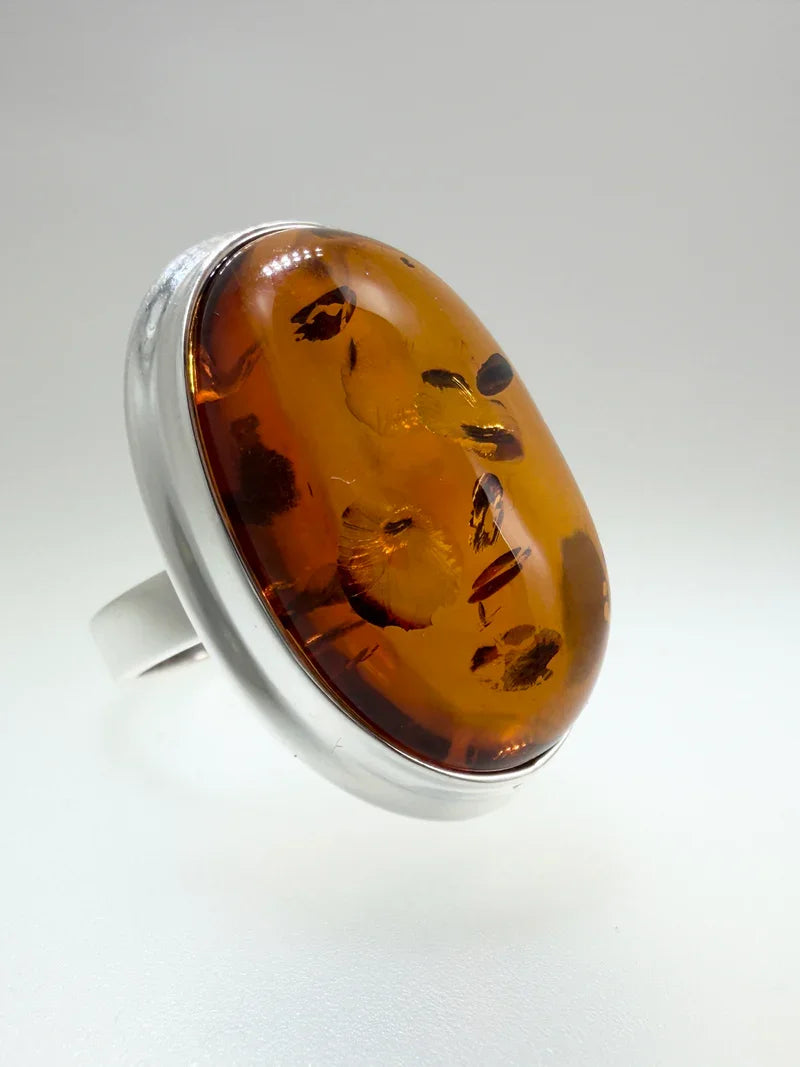
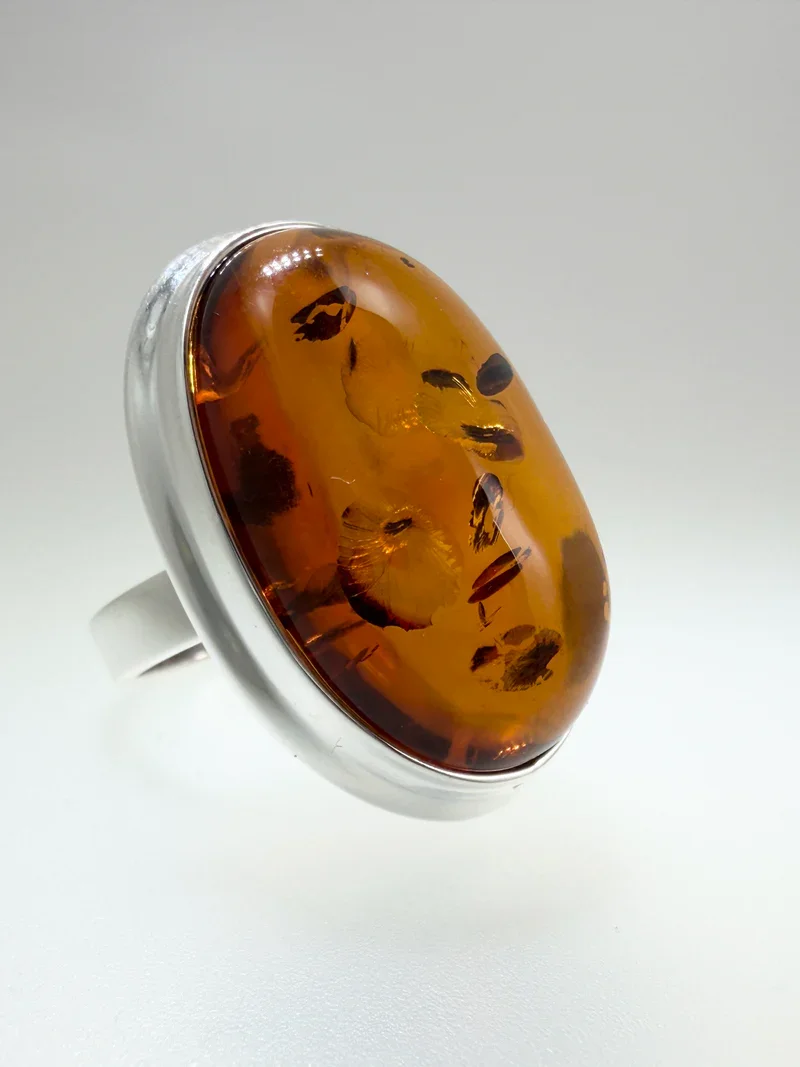
At Midwest Amber, we believe that jewelry should be as beautiful in its origin as it is in its appearance. With over 20 years of experience, we remain dedicated to the traditions of Polish and Lithuanian craftsmanship. Our commitment to amber jewelry ethical standards means we only offer 100% natural, certified Baltic amber that respects the environment and the artisans who shape it.
Whether you are looking for a statement ring or a delicate pendant, your purchase has power. By choosing ethical amber, you are protecting a 50-million-year-old legacy and supporting a sustainable future for the Baltic coast.
Ready to find your own piece of natural history? Explore The Ultimate Guide to Buying Real Amber Jewelry: Rings, Earrings, and Beyond to start your journey with confidence.


Leave a comment
This site is protected by hCaptcha and the hCaptcha Privacy Policy and Terms of Service apply.