

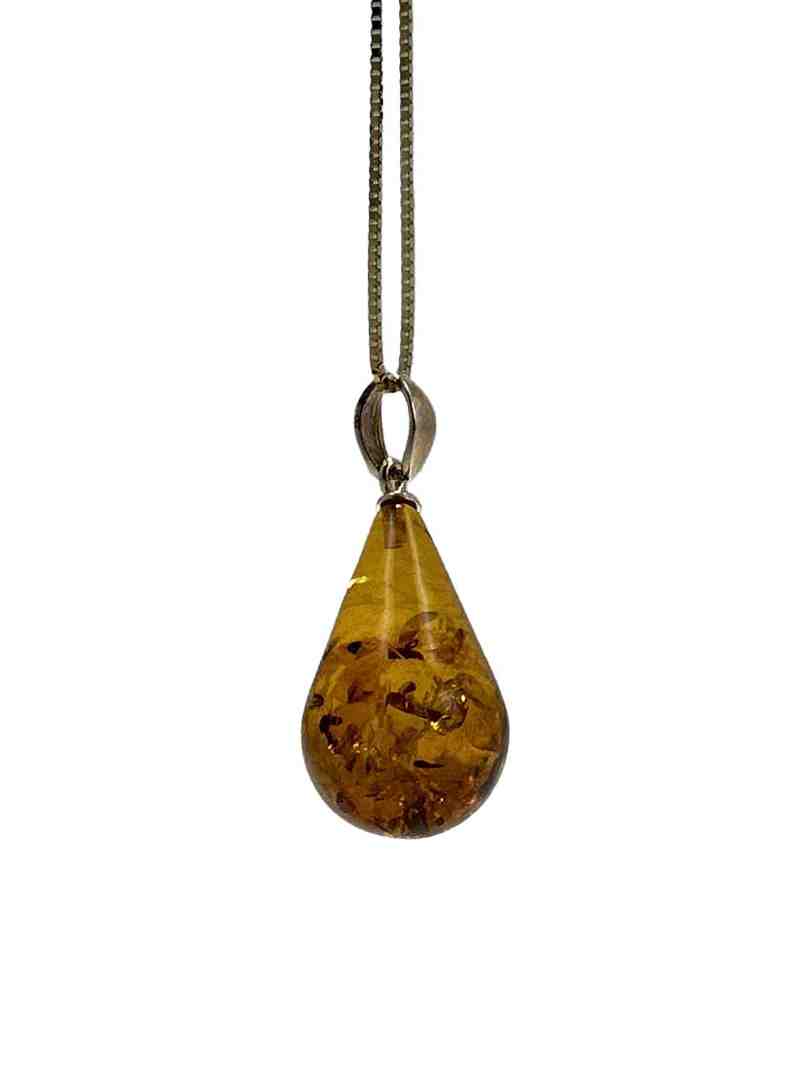
Why Natural Amber Stone Captivates Collectors and Scientists Alike

Natural amber stone is fossilized tree resin that has hardened over millions of years. This organic gemstone is prized for its warm colors, ancient inclusions, and unique properties. When you hold a piece of amber, you're holding a window into prehistoric life.
Quick Facts About Natural Amber:
| Property | Details |
|---|---|
| Age | Typically 30-90 million years old |
| Origin | Fossilized tree resin from ancient forests |
| Hardness | 2.0-2.5 on Mohs scale (relatively soft) |
| Common Colors | Yellow, honey, cognac, butterscotch |
| Rare Colors | Red, green, blue |
| Main Sources | Baltic region (90%), Dominican Republic, Myanmar |
| Special Feature | May contain preserved insects and plant matter |
Called elektron by the ancient Greeks, meaning "made by the sun," this material has captured human imagination for over 13,000 years. Scientists treasure it as nature's time capsule, as over 1,000 extinct insect species have been identified from creatures trapped inside, offering insights into ancient ecosystems.
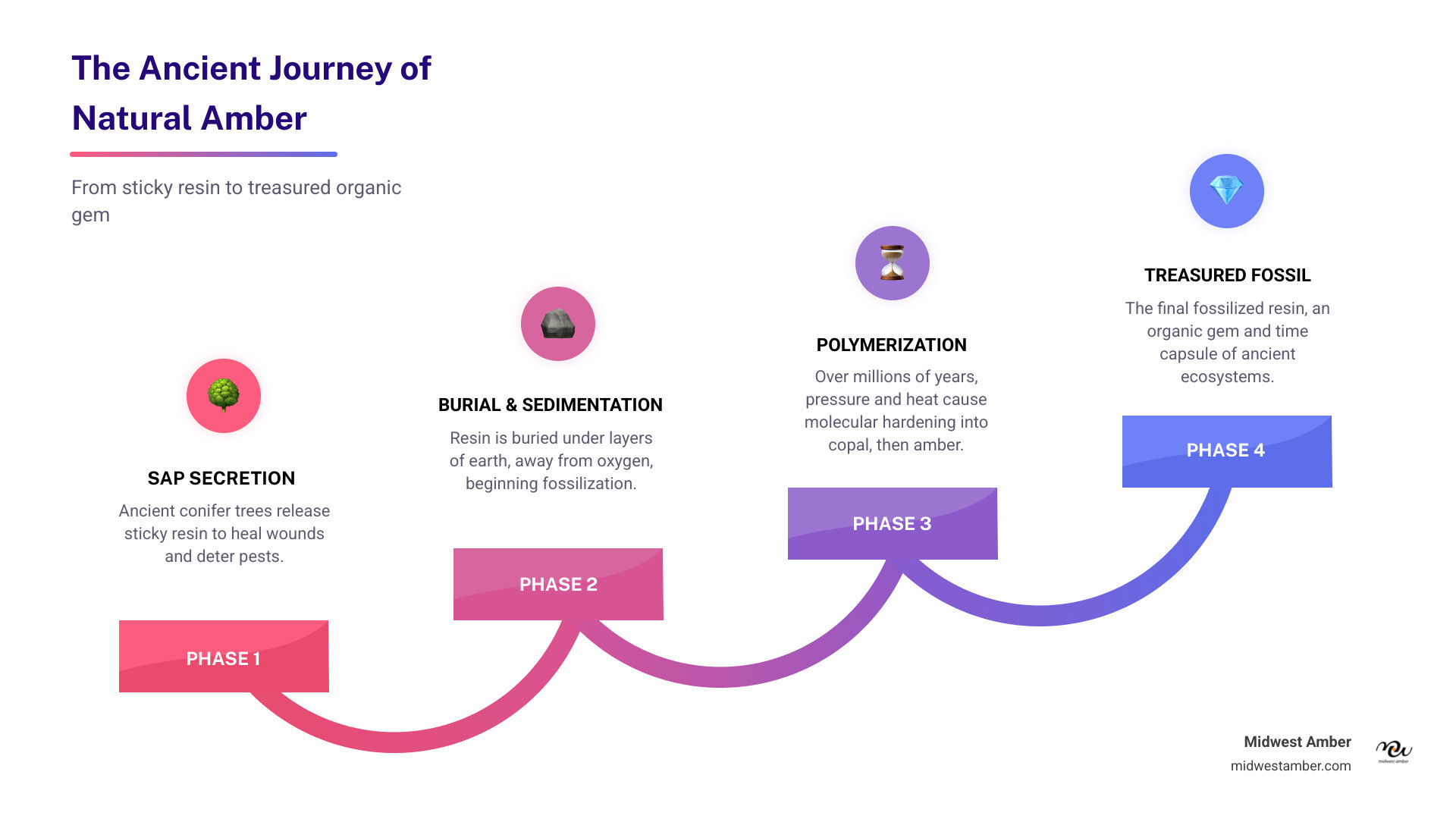
Amber began as sticky tree sap that protected ancient conifers. Over millions of years, this resin underwent molecular polymerization under intense pressure and heat, changing into the gem we know today. The Baltic region holds approximately 90% of the world's extractable amber, making it the most significant source.
What makes amber truly special are the stories it tells. Each piece is unique, with its own color, clarity, and sometimes remarkable inclusions like insects or plant fragments. This uniqueness, combined with its warm feel and pleasant pine scent when heated, makes it instantly recognizable.
Understanding amber's worth goes beyond its price tag; it encompasses geological rarity, historical significance, and scientific value. Whether you're considering amber jewelry or building a collection, knowing how to identify genuine pieces is essential.
I'm Gabriel Ciupek, President of Midwest Amber, Inc. With years of experience in the industry, I've gained deep insight into what makes each piece of natural amber stone special and how to distinguish it from the many imitations on the market.
Simple Natural amber stone glossary:
From Ancient Forests to Treasured Gem: The Formation and Variety of Natural Amber Stone
The journey of natural amber stone begins as soft, sticky resin exuded by ancient trees, primarily conifers, to heal wounds and ward off insects. For this resin to become amber, it must be buried under sediment and undergo a geological process called fossilization.
Over millions of years, immense pressure and heat cause the resin to polymerize. This molecular change hardens the resin into the durable, beautiful natural amber stone we admire today. While most amber is 25 to 90 million years old, the oldest ever recovered dates back an astonishing 320 million years ago.
Our focus at Midwest Amber is on genuine Baltic Amber, sourced ethically from Poland and Lithuania. This type, known as succinite, is renowned for its quality and age, typically dating back 40-60 million years. The unique conditions of the Baltic Sea region created vast forests whose resin deposits fossilized into the world's most prized amber.
The Spectrum of Amber: Colors and Types
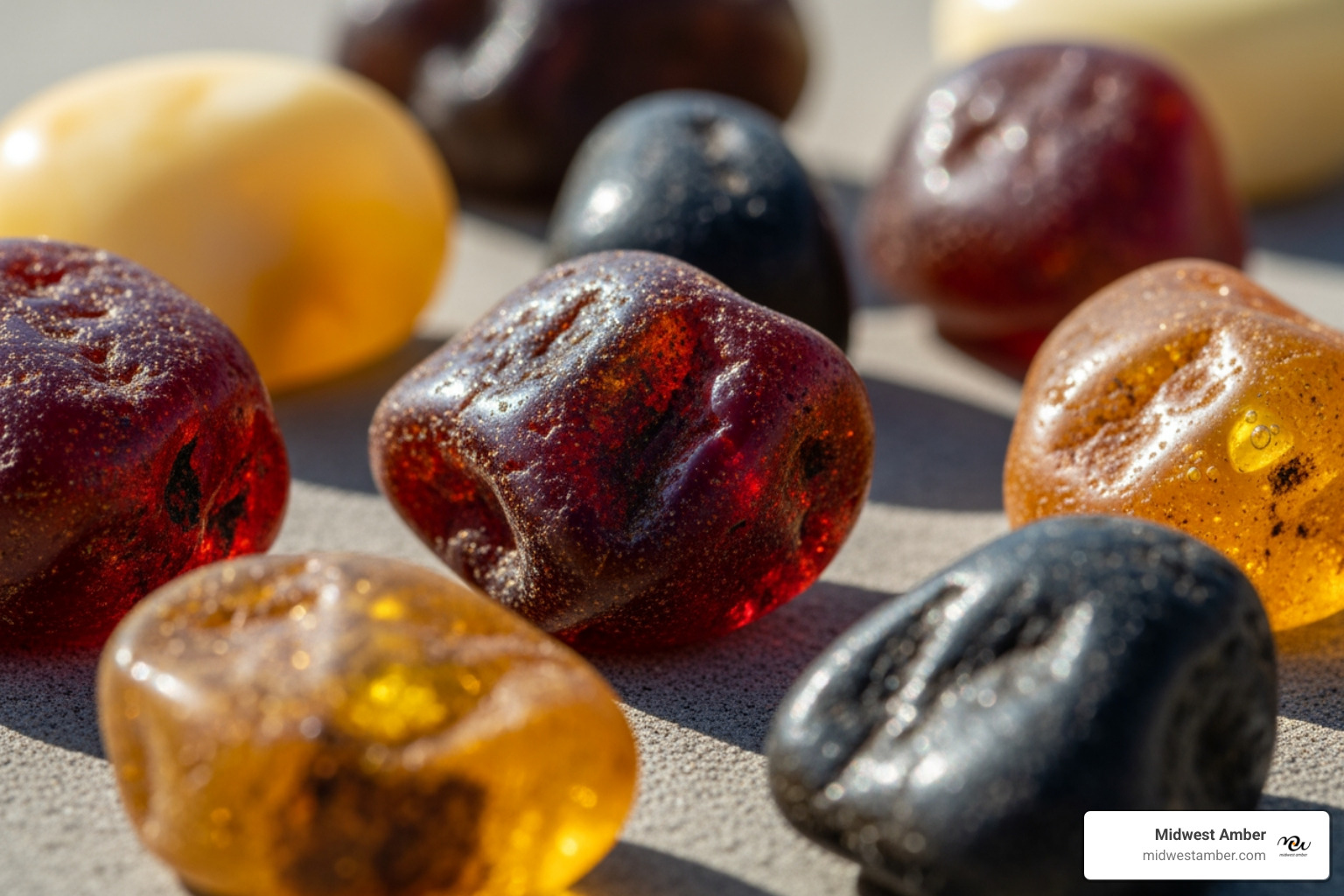
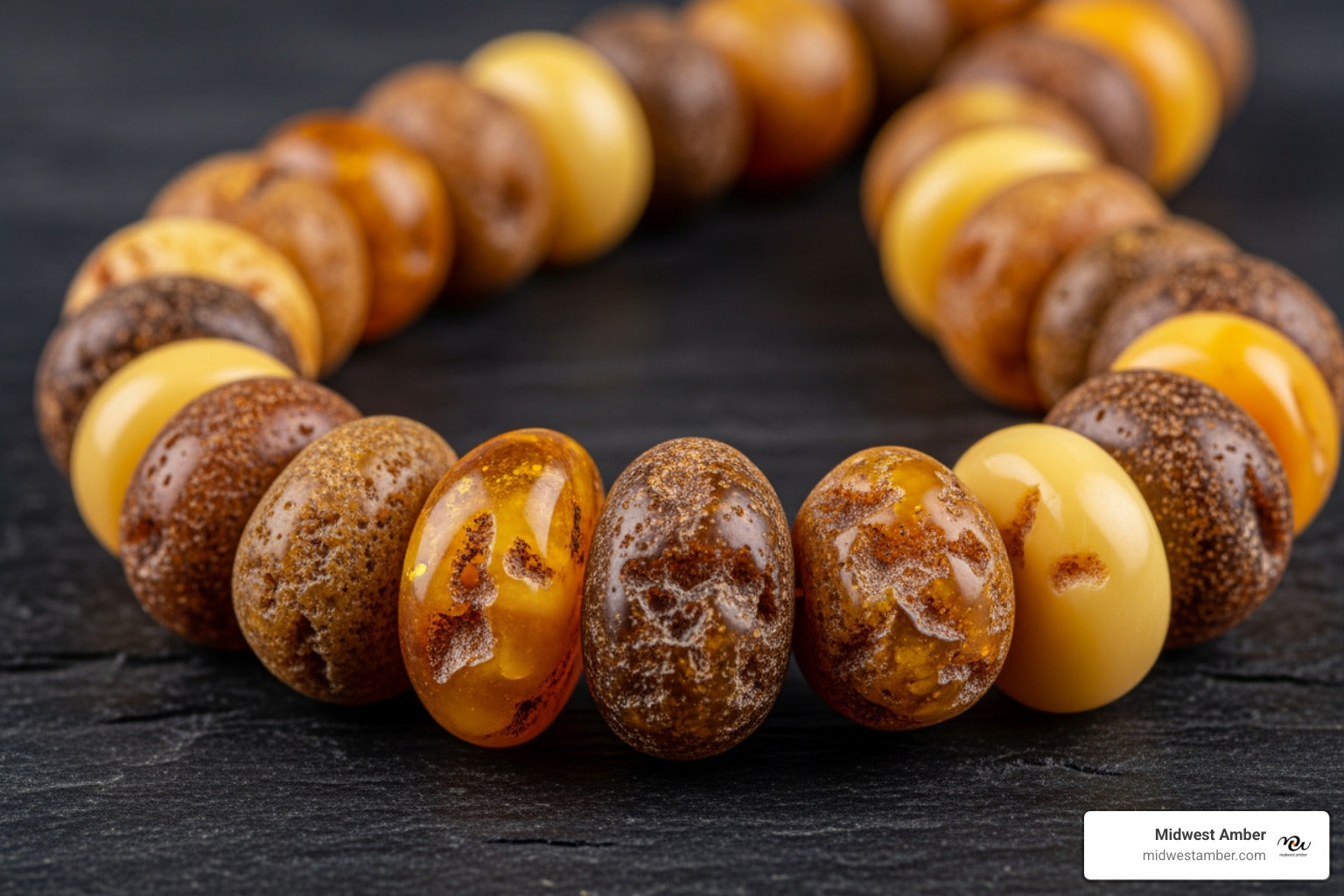
Natural amber stone comes in a breathtaking array of colors. The most common hues range from warm yellows to rich cognacs and earthy browns, often called "honey amber" or "butterscotch amber." These variations are influenced by tiny gas bubbles and the specific chemical composition during fossilization.
Beyond these familiar shades, amber can display rare and captivating colors. We occasionally find pieces of delicate white, called "bony" or "royal" amber. Even more exceptional are deep reds ("cherry amber"), vibrant greens, and mesmerizing blues. Blue amber is particularly scarce, with only about 100 kg found per year worldwide. These rare colors often result from unique geological conditions or microscopic inclusions. For a deeper dive, explore our guide on More on amber colors.
While Midwest Amber specializes in the classic hues of Baltic Amber, we appreciate the intrigue of all types, including mysterious black amber, which is often a very dark brown or even jet (fossilized wood). Each shade contributes to the unique appeal of natural amber stone.
What's Inside? The Significance of Inclusions
One of the most captivating aspects of natural amber stone is its ability to act as a time capsule, preserving ancient life. These "inclusions" are organisms or materials trapped in the sticky resin millions of years ago.
Common inclusions include plant matter like leaves, twigs, and seeds. More famously, amber often preserves insects like ants, beetles, and spiders in perfect detail. Rarer finds, such as small frogs or lizards, are exceptionally valuable. Gas bubbles are also common and can affect the amber's clarity, while specks of pyrite can add a metallic sparkle.
The scientific value of these inclusions is immense, allowing researchers to study ancient species and reconstruct past environments. For instance, the finding of a dinosaur tail in amber with preserved feathers was a groundbreaking findy. While cloning dinosaurs from amber-preserved DNA remains fiction, scientists have extracted DNA from insects trapped in amber up to 120 million years old, providing valuable genetic insights.
For collectors, amber with well-preserved inclusions holds significant value. Each inclusion tells a unique story, making the piece a miniature diorama of a bygone era. We at Midwest Amber are passionate about offering jewelry with ancient inclusions, allowing you to wear a piece of history.
A Journey Through Time: Amber's Cultural and Historical Significance
The allure of natural amber stone is not a modern phenomenon; it has fascinated humanity for millennia. Treasured since the Stone Age, with artifacts dating back 13,000 years, early humans were drawn to its warm glow and mysterious inclusions.
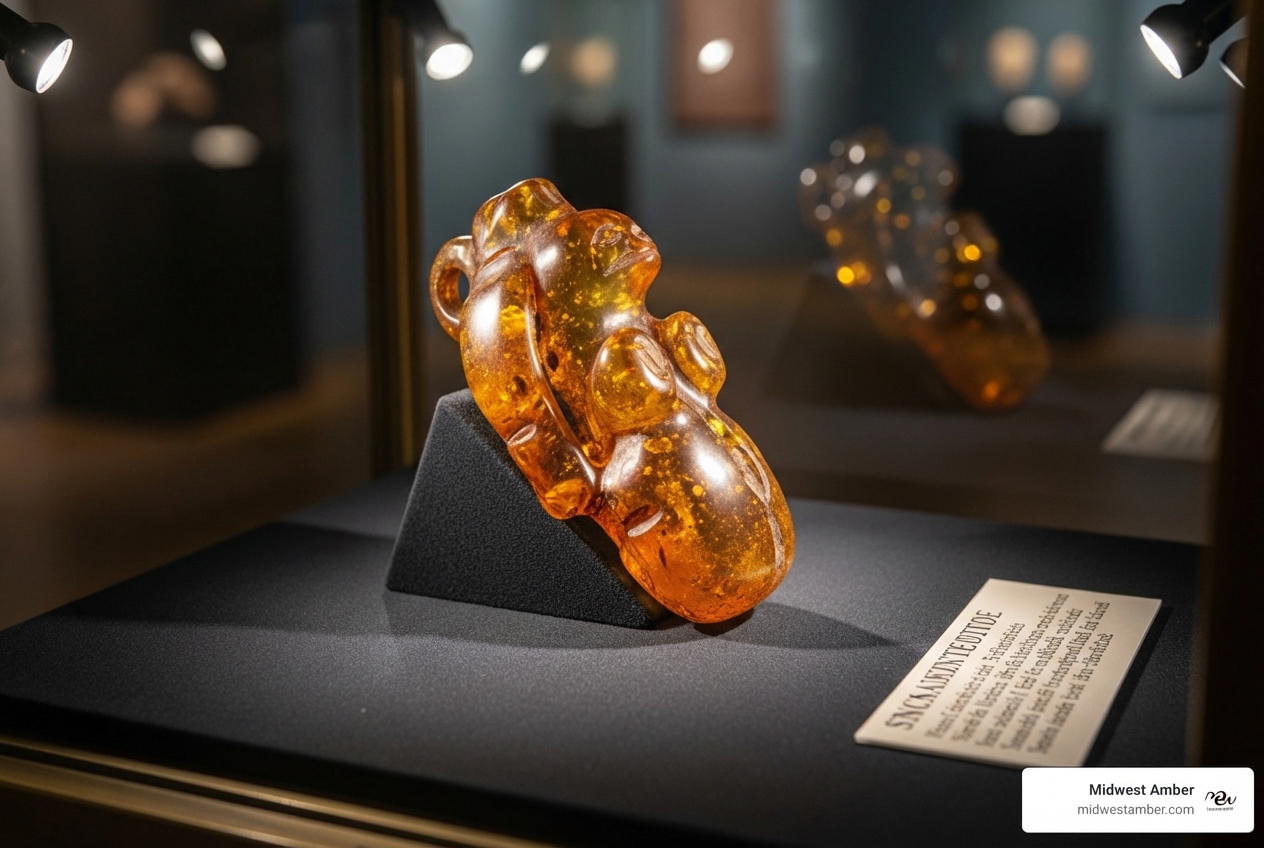
In ancient Greece, amber was known as ēlektron, meaning "beaming Sun." The Greeks observed its ability to generate static electricity when rubbed, a property that later gave us the word "electricity." Mythologically, it was believed to be the tears of Phaëton's mourning sisters.
The Roman Empire also held amber in high esteem, transporting it from the Baltic via the famous Amber Road. Emperor Nero was a great connoisseur, and its value was immense; a small figurine could cost more than a healthy slave. Amber was used for jewelry, decoration, and medicinal purposes.
Throughout history, amber was crucial in trade, with Vikings trading it extensively. One of its most legendary uses was in the Amber Room, a chamber of amber panels and gold leaf gifted to Tsar Peter the Great of Russia. Though lost during World War II, it remains a testament to the value and artistry associated with natural amber stone.
Amber in Folklore and Traditional Medicine
Beyond its beauty, natural amber stone is woven into cultural folklore and traditional medicine. The Greek myth of Phaëton's sisters is one example, connecting the gem to divine sorrow. In many cultures, amber was a protective talisman, believed to ward off evil and bring good luck.
In folk medicine, amber has been revered for centuries for its purported healing properties, particularly in the Baltic region. This belief is often attributed to succinic acid (typically 3-8% in Baltic amber). Proponents claim that when warmed by the skin, the acid is absorbed, offering anti-inflammatory benefits. This led to the use of amber necklaces for teething babies, a practice we will discuss later.
Historically, amber was used in various folk remedies. Martin Luther reportedly carried amber to protect against kidney stones. It was also used in powders and tinctures as an antiseptic to heal wounds. While modern science has not validated many of these claims, the enduring belief in amber's therapeutic qualities highlights its deep cultural significance. For more on these historical practices, see Exploring amber's healing secrets.
The Buyer's Guide: How to Identify and Value a Natural Amber Stone
When investing in natural amber stone, understanding its authenticity and value is paramount, as the market is flooded with imitations. At Midwest Amber, we offer only certified, genuine Baltic Amber, but knowing how to spot fakes is an invaluable skill.
Imitations range from younger resins like copal to plastics and glass. These fakes lack the nuanced beauty and history of genuine amber. Key factors like color, clarity, and inclusions determine a stone's worth.
Distinguishing Genuine Amber from Fakes
Several simple home tests can help determine authenticity by leveraging amber's unique properties:
- Saltwater Test (Flotation): Genuine amber has a low specific gravity and will float in a saturated saltwater solution (about 7 teaspoons of salt per glass of water). Most plastic and glass imitations will sink.
- Hot Needle Test (Pine Scent): Use caution, as this test can cause damage. Briefly touch a hot needle to an inconspicuous spot. Genuine amber will release a distinct pine-like scent. Plastic will smell of burning chemicals.
- UV Light Test (Fluorescence): Under a UV (black) light, genuine Baltic Amber often glows with a pale blue or greenish hue. Many plastics will not fluoresce.
- Rubbing Test (Static Charge): Vigorously rub the amber with a soft cloth for 30-60 seconds. Genuine amber will generate enough static electricity to attract small pieces of paper or hair.
While these tests are helpful, we always recommend seeking certified amber for significant purchases. Our guide, The definitive guide to certified amber, offers more insight.
Key Factors That Determine Amber's Worth
The value of a natural amber stone is determined by a combination of factors:
- Color Rarity: While yellow and cognac are common, rarer colors like deep red (cherry), green, and especially blue command higher prices.
- Clarity: Transparent pieces are generally more valued, but opaque "butterscotch" amber is also highly sought after for its unique look.
- Inclusions: Well-preserved ancient inclusions like insects, spiders, or plant fragments significantly increase value. The rarity and completeness of the inclusion are critical.
- Size and Shape: Larger pieces of natural amber stone are rarer and more valuable. The cut and polish also affect its appeal, with shapes chosen to highlight its natural beauty.
- Origin: Baltic Amber from Poland and Lithuania is generally considered the most valuable due to its age and high succinic acid content. Dominican amber is known for its clarity and frequent inclusions.
- Treatments: Many pieces are treated to improve color or clarity (e.g., heating in oil). These treatments should be disclosed, as untreated, solid pieces are typically more valuable than treated or pressed amber (reconstituted fragments).
Understanding these factors empowers you to make informed decisions. For an in-depth exploration, consult The ultimate guide to buying real amber.
Global Deposits and Scientific Wonders
The geological history of natural amber stone is tied to Earth's ancient forests. Its formation required resin-producing trees, rapid burial of the resin to prevent decay, and millions of years of pressure and heat for polymerization.
Extraction methods vary by location, from mining in open pits to collecting it as it washes ashore along the Baltic Sea. At Midwest Amber, we are committed to ethical sourcing, ensuring the natural amber stone from Poland and Lithuania is obtained responsibly.
Where in the World is Natural Amber Stone Found?
While amber is found globally, a few regions are renowned for their deposits of natural amber stone:
- Baltic Region: This area is the most significant source, accounting for about 90% of the world's extractable amber. The amber here, known as succinite, is 30-60 million years old and highly valued. Our amber at Midwest Amber is sourced from Poland and Lithuania. Learn more about Where Baltic amber comes from.
- Dominican Republic: This nation is famous for younger amber (25-40 million years old) that is often clearer and has a high frequency of insect inclusions. The rare blue amber is also predominantly found here.
- Myanmar (Burmite): Amber from Myanmar is much older (around 99 million years) and scientifically important for its unique Cretaceous-period inclusions, such as dinosaur feathers. However, ethical concerns surround its extraction.
- Ukraine: While Ukraine has significant deposits, illegal mining has caused severe environmental damage.
Other deposits exist in Mexico and even Antarctica, but the Baltic region remains the cornerstone of the natural amber stone market.
Amber as a Scientific Time Capsule
Scientists revere natural amber stone as an invaluable time capsule for its ability to preserve ancient life in three-dimensional detail. Unlike fossils that preserve only hard parts, amber encapsulates delicate organisms.
Paleontologists gain profound insights from amber inclusions. Over 1,000 extinct insect species have been identified from amber, providing data on evolution, biodiversity, and ancient climates. These inclusions paint a vivid picture of life millions of years ago.
The idea of extracting DNA from amber, popularized by Jurassic Park, has long fascinated the public. While cloning dinosaurs remains impossible due to DNA degradation, scientists have successfully extracted ancient DNA from insects in amber up to 120 million years old. These findings contribute to our understanding of genetic evolution. Amber continues to be a treasure trove for scientific findy. For those eager to explore these miniature worlds, you can Find your own fossil amber.
Caring for Your Amber and Understanding Associated Risks
Natural amber stone, while ancient, is relatively soft, ranking between 2.0 and 2.5 on the Mohs hardness scale. This means it can be easily scratched and requires proper care to maintain its beauty.
Its organic nature makes it sensitive to chemicals, extreme temperatures, and prolonged sunlight. Understanding these vulnerabilities is key to preserving your amber jewelry. Just as we ethically source our Baltic Amber, we want to empower you to care for your cherished pieces.
How to Clean and Care for Your Amber Jewelry
To keep your natural amber stone jewelry in pristine condition, follow these simple tips:
- Gentle Cleaning: Use lukewarm water and a very mild soap. Avoid harsh chemical, ultrasonic, or steam cleaners.
- Soft Cloth Drying: Immediately dry your amber with a soft, lint-free cloth.
- Avoid Chemicals: Keep amber away from perfumes, hairsprays, and lotions. Apply these products before putting on your jewelry.
- Protect from Extreme Temperatures: Avoid leaving amber in direct sunlight or in a hot car, as this can cause it to crack or become brittle.
- Proper Storage: Store amber jewelry separately in a soft pouch or fabric-lined box to prevent scratches.
- Occasional Polish: To restore its luster, gently rub your amber with a drop of olive oil on a soft cloth, then buff it dry.
Following these tips will keep your natural amber stone beautiful for years. For a comprehensive guide, explore The ultimate guide to amber jewelry.
The Controversy of Amber Teething Necklaces
While natural amber stone has a history in folk medicine, it's crucial to address the serious concerns surrounding amber teething necklaces for babies. The belief is that amber releases succinic acid when warmed by the skin, providing pain relief.
However, medical organizations, including the American Academy of Pediatrics and the U.S. Food and Drug Administration (FDA), have issued strong warnings against these products. The primary concerns are life-threatening:
- Choking Hazard: Beads can break off and pose a choking risk.
- Strangulation Risk: Any necklace worn by a baby presents a strangulation hazard, especially during sleep.
- Lack of Scientific Proof: There is no scientific evidence that succinic acid is released or absorbed through the skin in therapeutic amounts.
The FDA explicitly warns against using teething jewelry. We strongly advise against using amber teething necklaces for babies due to these serious safety risks. While amber is a beautiful gem, its use must prioritize safety.
Frequently Asked Questions about Natural Amber
Here, we address some of the most common inquiries about natural amber stone.
Is amber considered a crystal?
No, natural amber stone is not a crystal. Crystals have an ordered atomic structure, while amber is fossilized tree resin with an amorphous (non-crystalline) structure. Though cut and polished like a gemstone, its organic origin makes it fundamentally different from minerals.
Can amber go in water?
Yes, amber can go in water for brief cleaning with lukewarm water and mild soap. However, prolonged submersion, especially in hot, chlorinated, or chemically treated water, should be avoided as it can make the amber brittle or dull its surface. Always remove amber jewelry before swimming or showering.
Why is my amber warm to the touch?
One of amber's distinguishing characteristics is its warmth. As a poor conductor of heat, natural amber stone doesn't draw heat away from your skin like mineral gemstones (e.g., quartz or glass), which feel cool. Instead, it absorbs your body heat, making it feel warm and comfortable. This warmth is a simple way to help differentiate genuine amber from imitations.
Conclusion
Natural amber stone is more than a beautiful gem; it's a profound connection to Earth's ancient past. From its origins as tree resin in the ancient forests of Poland and Lithuania, it has transformed into a treasured organic gemstone, captivating humanity with its unique colors, fascinating inclusions, and enduring mystique.
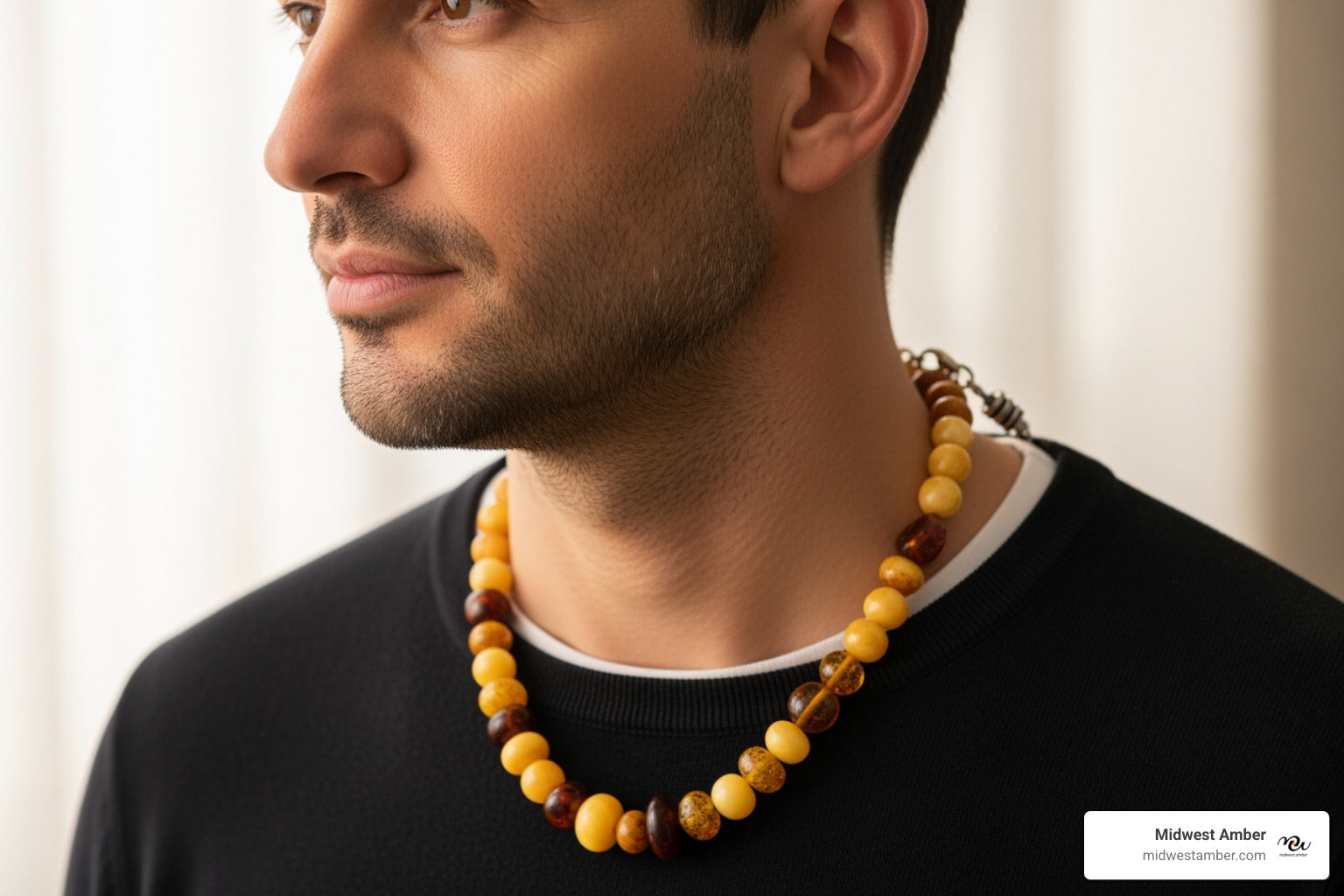
At Midwest Amber, we are passionate about bringing you the finest, handcrafted Baltic Amber jewelry, backed by our commitment to certified authenticity and ethical sourcing. Understanding the worth of natural amber stone means appreciating its timeless appeal and its immense historical and scientific value. We invite you to explore our collection and find a piece of ancient history that speaks to you. Find your next cherished treasure and experience the magic of local amber jewels in Chicago.

Leave a comment
This site is protected by hCaptcha and the hCaptcha Privacy Policy and Terms of Service apply.