

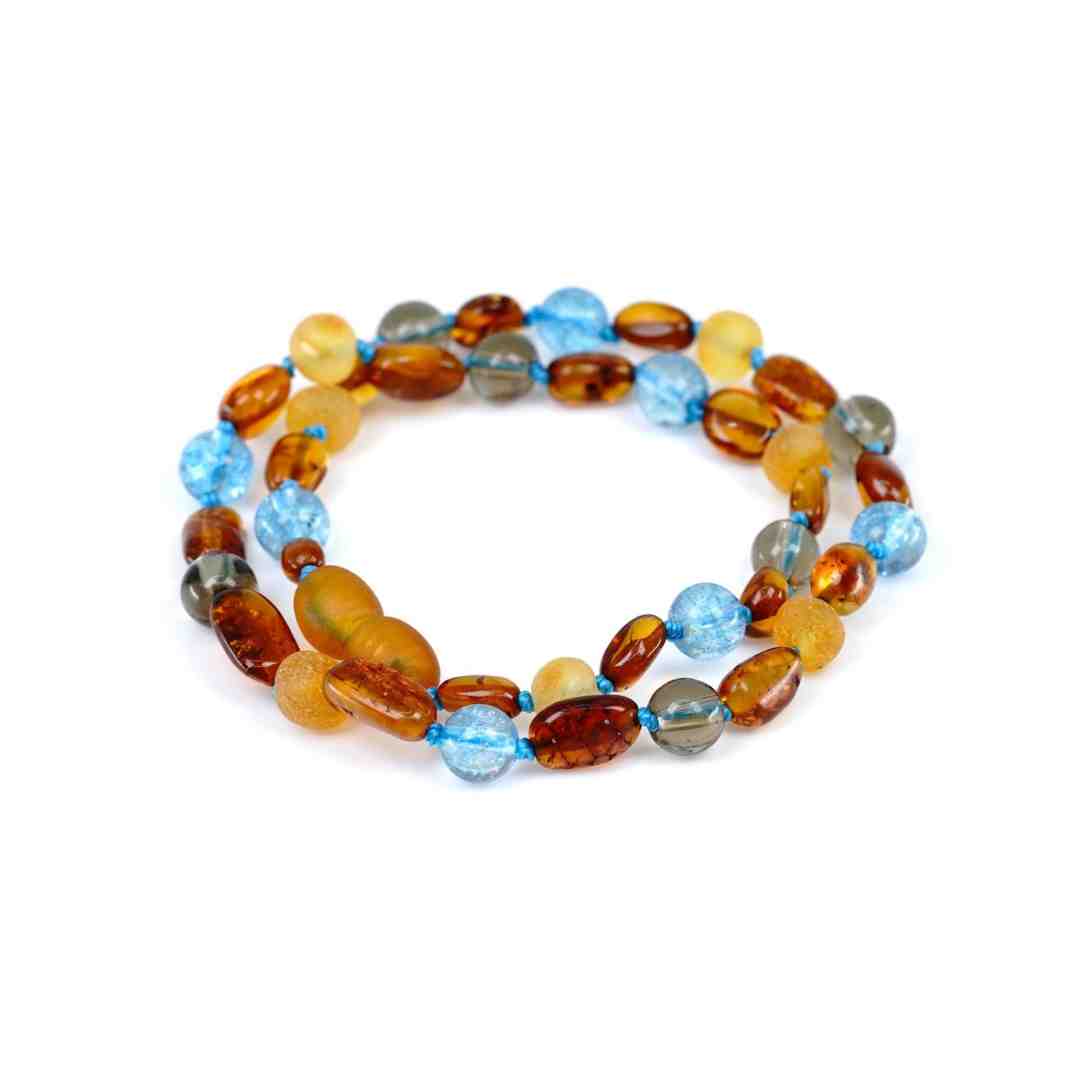
Why White Amber Baby Jewelry Belongs in Every Thoughtful Parent's Toolkit
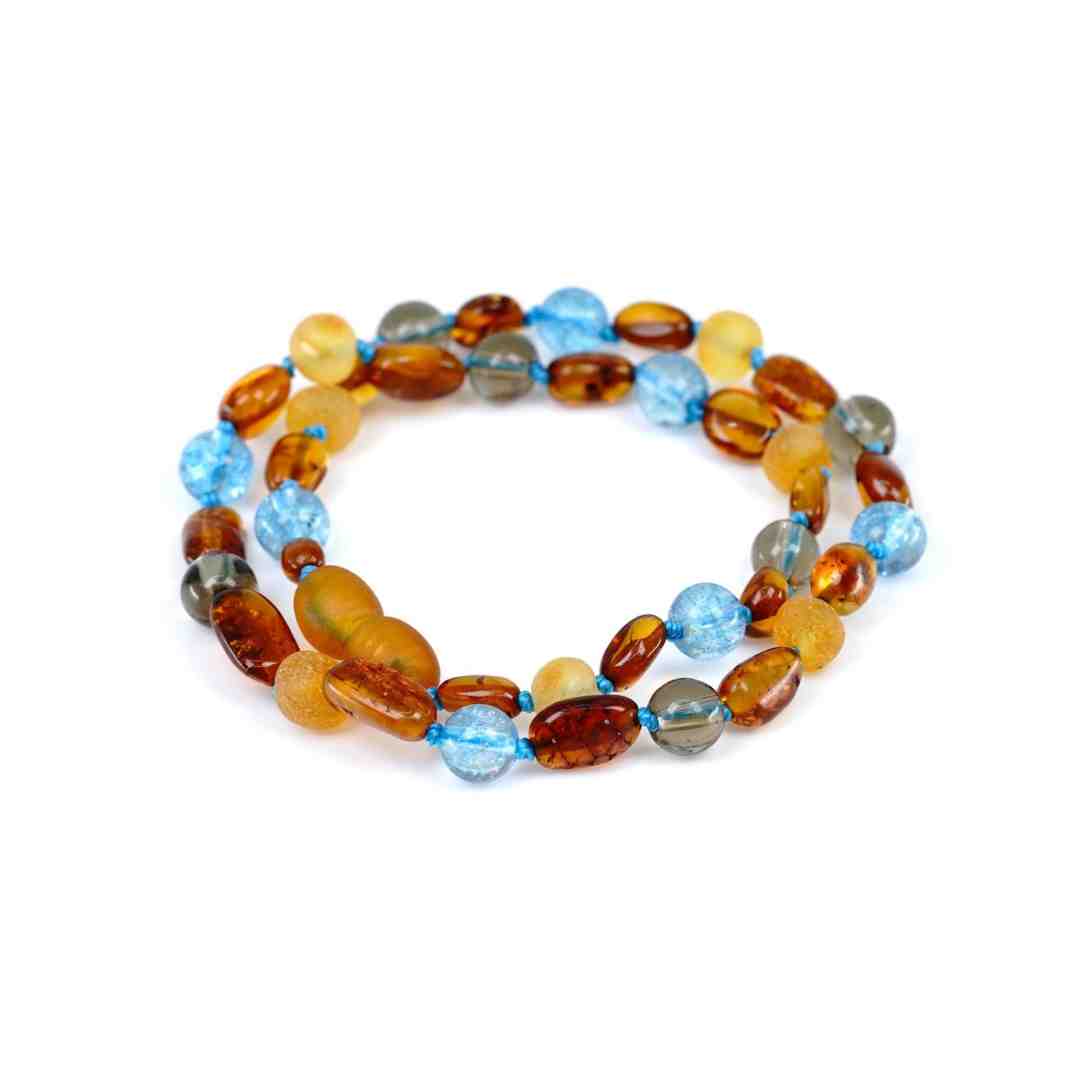
White amber baby jewelry sits at the intersection of natural beauty, Baltic heritage, and the age-old search for teething comfort. Handcrafted from genuine fossilized Baltic resin — some of it over 45 million years old — these pieces are far more than accessories.
Quick Answer: Top White Amber Baby Jewelry Picks
| Jewelry Type | Best For | Key Feature |
|---|---|---|
| White amber necklace (32 cm) | Ages 3 months – 5 years | Individually knotted beads, screw clasp |
| White amber bracelet/anklet | Newborns & up | Worn on wrist or ankle, breakaway design |
| Butterscotch amber necklace | Teething toddlers | Milky warm tone, lightweight Baltic resin |
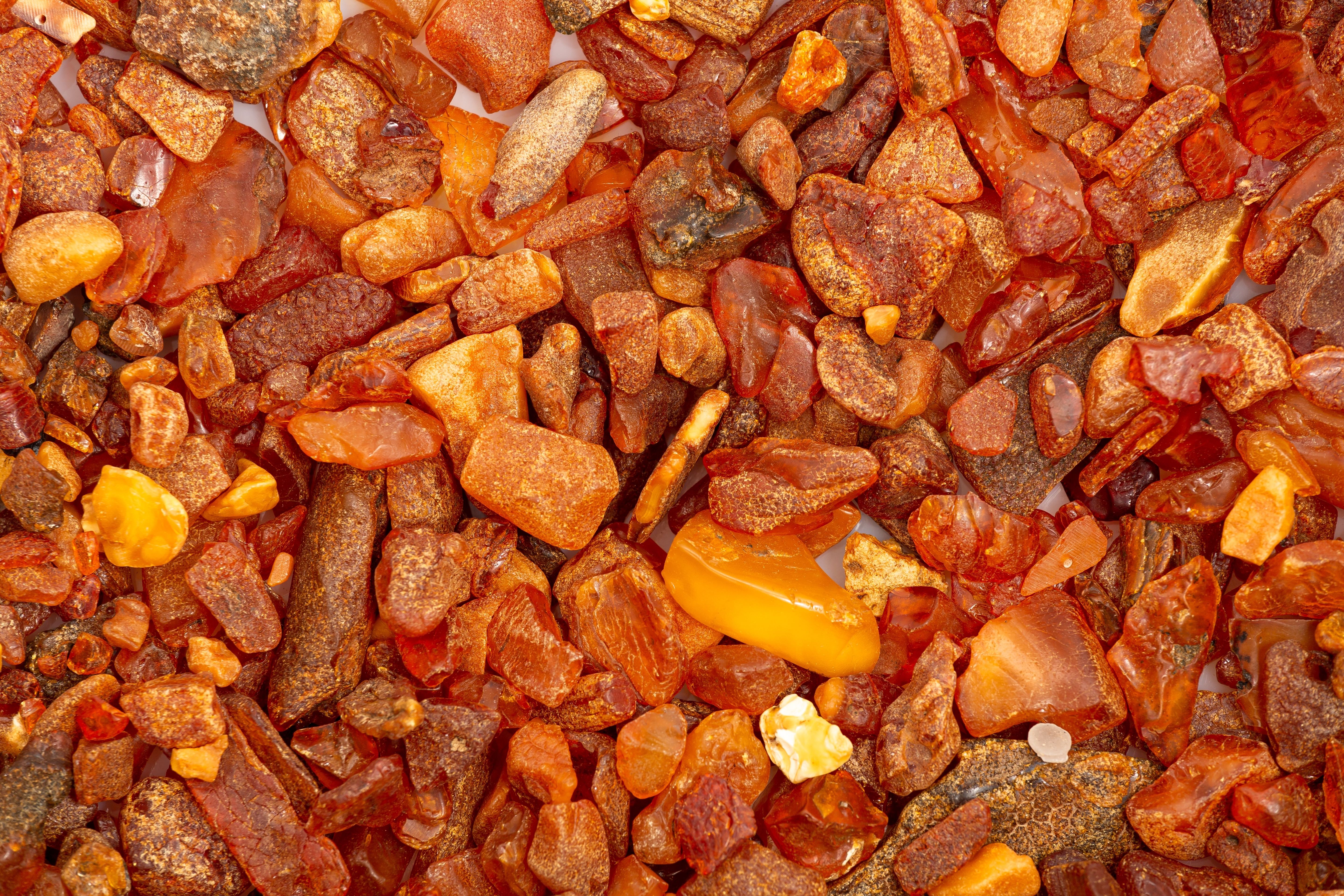
| Raw unpolished white amber | Highest succinic acid content | Unpolished surface, closest to natural form |
Important: Major health organizations including the American Academy of Pediatrics (AAP) and the FDA advise against unsupervised use of any baby jewelry. Always supervise your child and remove jewelry during sleep.
White (also called butterscotch or milky) amber is one of the rarest and most visually striking color variants from the Baltic region. Parents drawn to it often value both its soft, warm appearance and the centuries-long tradition of using Baltic amber as a natural wellness aid. Whether you're a first-time parent exploring teething options or a gift-giver looking for something genuinely meaningful and one-of-a-kind, understanding what sets authentic white Baltic amber apart — and how to use it safely — matters enormously.
I'm Gabriel Ciupek, President and owner of Midwest Amber, Inc., with years of hands-on experience sourcing, evaluating, and bringing genuine white amber baby jewelry from Polish and Lithuanian artisans directly to families across the US. In the sections below, I'll walk you through everything you need to make a confident, informed choice.
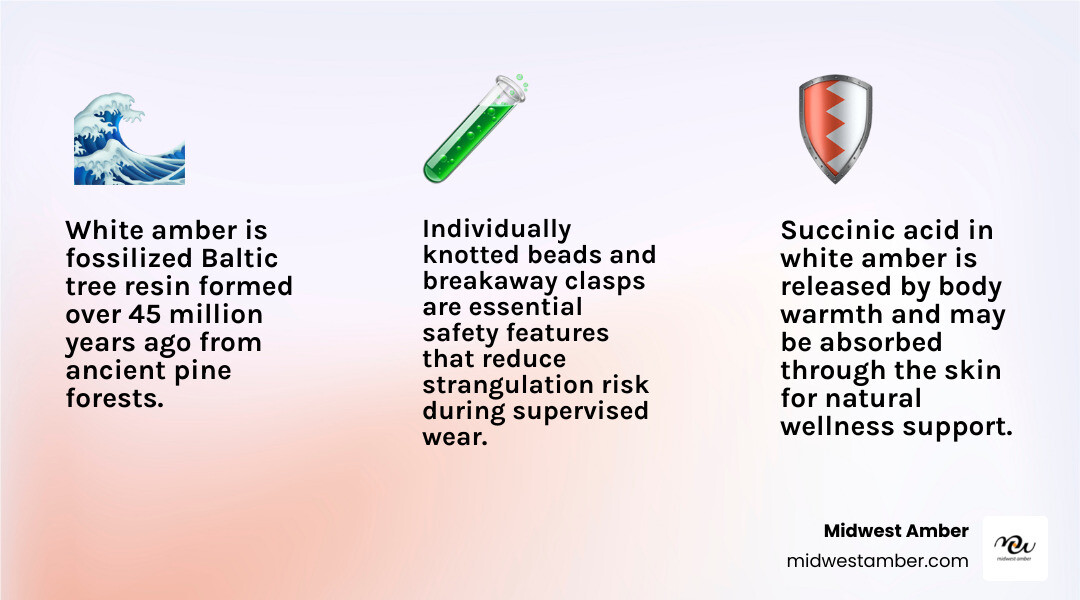
White amber baby jewelry vocab explained:
Understanding White Amber Baby Jewelry: The "Sea Gold" of the Baltic
When we talk about white amber baby jewelry, we are discussing a material that is technically not a stone at all. It is fossilized tree resin from ancient Scandinavian conifers that grew approximately 44 to 50 million years ago. Often called "Sea Gold," this resin eventually hardened and was washed into the Baltic Sea, where it is harvested today by skilled artisans in Poland and Lithuania.
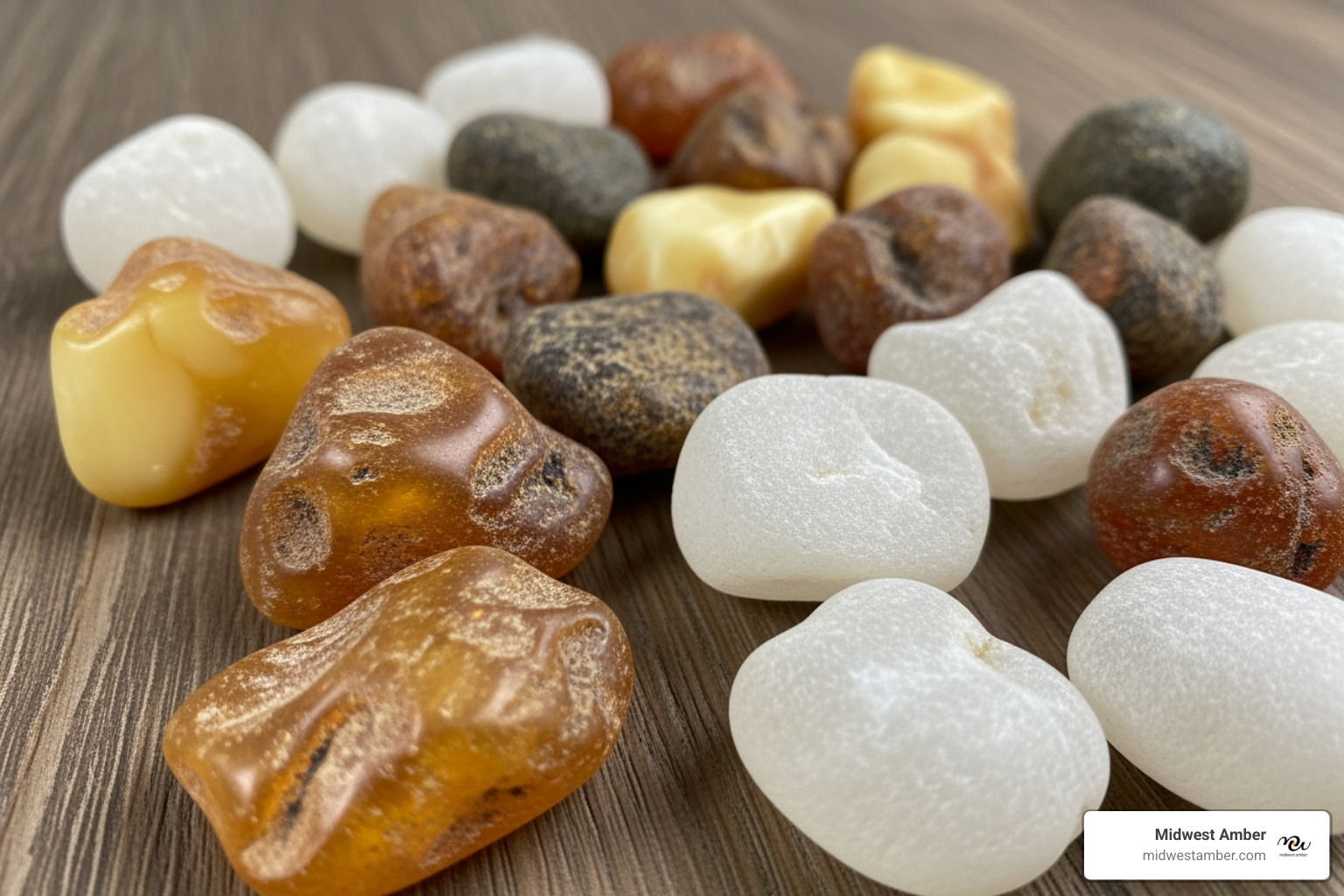
In amber, white is a bit of a celebrity. While cognac and honey shades are the most common, white amber is significantly rarer, making up only a small percentage of all amber found. Its unique appearance comes from millions of tiny air bubbles trapped inside the resin, which scatter light and create that creamy, opaque look.
To help you navigate the different shades, here is a quick comparison:
| Amber Variety | Appearance | Common Names | Rarity |
|---|---|---|---|
| White Amber | Opaque, creamy, like ivory or bone | Milky, Bone, Royal White | Very Rare |
| Butterscotch | Rich yellow-white, looks like creamy candy | Egg Yolk, Custard | Rare |
| Cognac | Transparent, deep reddish-brown | Dark Honey, Classic | Common |
| Lemon | Transparent, bright yellow | Honey, Sun Amber | Common |
The white amber meaning is often associated with purity and calming energy, which is why many parents in our local communities—from Arlington Heights to Glenview—prefer it for their little ones. For a deeper dive into the geology and history of these pieces, check out our White Amber Stones Complete Guide.
Claimed Benefits and the Science of Succinic Acid
The primary reason parents search for white amber baby jewelry isn't just for the aesthetics; it's the reputation for natural teething support. The "magic" ingredient is succinic acid, a natural substance found in Baltic amber.

How It Is Claimed to Work
The theory behind amber jewelry is that when the beads are worn against the skin, the baby's body temperature causes the amber to release minute amounts of succinic acid. This acid is then absorbed through the skin into the bloodstream. Succinic acid is traditionally believed to have:
- Anti-inflammatory properties: Helping to reduce the gum swelling that causes teething pain.
- Analgesic effects: Acting as a natural pain reliever.
- Immune support: Assisting the body's natural defenses during the stressful teething period.
- Drooling reduction: Many parents report a noticeable decrease in "teething drool" within days of use.
What the Science Says
It is important to be transparent: current scientific consensus from organizations like the FDA and various pediatric groups suggests that Baltic amber does not release significant amounts of succinic acid at human body temperature (which is much lower than the melting point of resin). Furthermore, there is limited clinical evidence proving that the skin can absorb enough succinic acid to provide systemic pain relief.
However, at Midwest Amber, we respect the centuries of holistic tradition. Many families in the Chicago and Northbrook areas swear by the calming effects they observe in their children. Whether it’s the succinic acid or a bio-energetic calming effect, the popularity of these items remains high in May 2026. For more on introducing these pieces to your family, see our Amber Necklace Newborn Guide.
Safety Standards and Health Organization Recommendations
Safety is our absolute priority. We know that as a parent in Lake Zurich or Schaumburg, you want the best for your child, but you also want them out of harm's way.
Major health organizations, including the American Academy of Pediatrics (AAP) and the FDA, have issued warnings regarding amber teething necklaces. The primary concerns are strangulation and choking. If a necklace is too tight or gets caught on an object, it poses a strangulation risk. If the string breaks and beads are loose, they become a choking hazard.
How We Build Safety Into Every Piece
To mitigate these risks, reputable white amber baby jewelry must include specific safety features:
- Individual Knotting: Every single bead is knotted by hand on both sides. If the necklace breaks, only one bead will fall off, rather than the whole string scattering.
- Safety Screw Clasps: Our necklaces use a plastic screw clasp designed to release or break if a certain amount of tension is applied, preventing strangulation.
- Appropriate Length: A standard baby necklace is 32-33 cm (about 12.5 inches), designed to sit comfortably but not be long enough for the baby to pull it into their mouth.
Recommendations for Safe Use
- Constant Supervision: Never leave a baby unattended while wearing jewelry.
- Remove for Sleep: Always remove the necklace or bracelet during naps and nighttime.
- The Ankle Trick: Many parents choose to wrap the necklace twice around the baby's ankle and cover it with a sock during sleep to maintain skin contact safely, though many pediatricians still advise total removal.
- Check for Wear: Regularly inspect the thread for fraying or the beads for cracks.
If you are looking for evidence-based alternatives to supplement amber, pediatric dentists often recommend frozen damp washcloths, silicone teething rings, or gentle gum massages with a clean finger. You can explore more about Beyond Teething Adorable Necklaces For Infants to see how these pieces fit into a broader lifestyle.
How to Choose, Fit, and Care for Your Jewelry
Choosing the right white amber baby jewelry requires a bit of measuring. You want the piece to be "just right"—not too tight to be uncomfortable, and not too loose to be a snag hazard.
Sizing and Fit
- Necklaces: The standard 32cm length usually fits children from 3 months up to 5 years. Use a piece of string to measure your child's neck, then measure the string against a ruler. You should be able to fit two fingers easily between the necklace and the baby's skin.
- Bracelets/Anklets: These typically come in 14cm lengths. Again, use the string method on the wrist or ankle to ensure a comfortable fit.
Care and Maintenance
Amber is a delicate organic material. To keep it in top shape:
- Clean with Water: Use lukewarm distilled or spring water and a soft cloth. Avoid soaps or harsh chemicals, which can coat the amber and block the release of succinic acid.
- Avoid Heat: Don't leave the jewelry in direct sunlight (like on a car dashboard) as it can become brittle.
- Polish Gently: If the beads look dull, a drop of olive oil on a soft cloth can restore the shine to polished white amber.
Authenticity Verification
With 20 years of experience, we’ve seen plenty of "fake" amber made of plastic or glass. Real Baltic amber:
- Floats in Saltwater: Mix 1 part salt to 2 parts water. Real amber floats; plastic sinks.
- Scent: If rubbed vigorously, real amber should emit a faint pine/resin scent.
- Static: Real amber becomes electrostatically charged when rubbed with a cloth and will pick up tiny bits of paper.
For parents who want to coordinate, our Amber Jewelry For Women Ultimate Guide shows how moms can match their little ones with high-quality Baltic pieces.
Frequently Asked Questions about White Amber
Can babies sleep in white amber baby jewelry?
No. The official recommendation from the American Academy of Pediatrics (AAP) and safety experts is to remove all jewelry before sleep. This eliminates the risk of the necklace getting caught on bedding or the baby’s own limbs during the night. If you wish to continue use, wrapping the piece around the ankle inside a footie pajama or sock is a common practice, but direct supervision is always the safest route.
How do I know if the white amber is real?
Authenticity is key. At Midwest Amber, we only source 100% natural Baltic amber. You can perform the "saltwater test" mentioned above, or look for a Certificate of Authenticity. Genuine white amber will often have slight imperfections or "swirls" of color, proving it isn't a factory-molded plastic bead.
What is the best age for a baby to start wearing white amber baby jewelry?
Most parents start using amber jewelry when the first signs of teething appear, typically around 3 to 6 months. However, bracelets can be worn as anklets even earlier. As your child grows into a toddler, the 32cm necklace remains a popular choice until all 20 "baby teeth" have erupted, usually around age two or three.
Conclusion
At Midwest Amber, we are proud to carry on the rich Polish and Lithuanian heritage of handcrafted amber jewelry. Whether you are in Naperville, Elmhurst, or right here in Chicago, we believe that choosing white amber baby jewelry is a way to connect with nature and tradition while prioritizing your child's comfort.
By choosing genuine, ethically sourced Baltic amber, you are investing in a piece of history that has been cherished for generations. We invite you to explore our collection and discover why white amber remains the "Sea Gold" of the modern nursery.

Leave a comment
This site is protected by hCaptcha and the hCaptcha Privacy Policy and Terms of Service apply.