

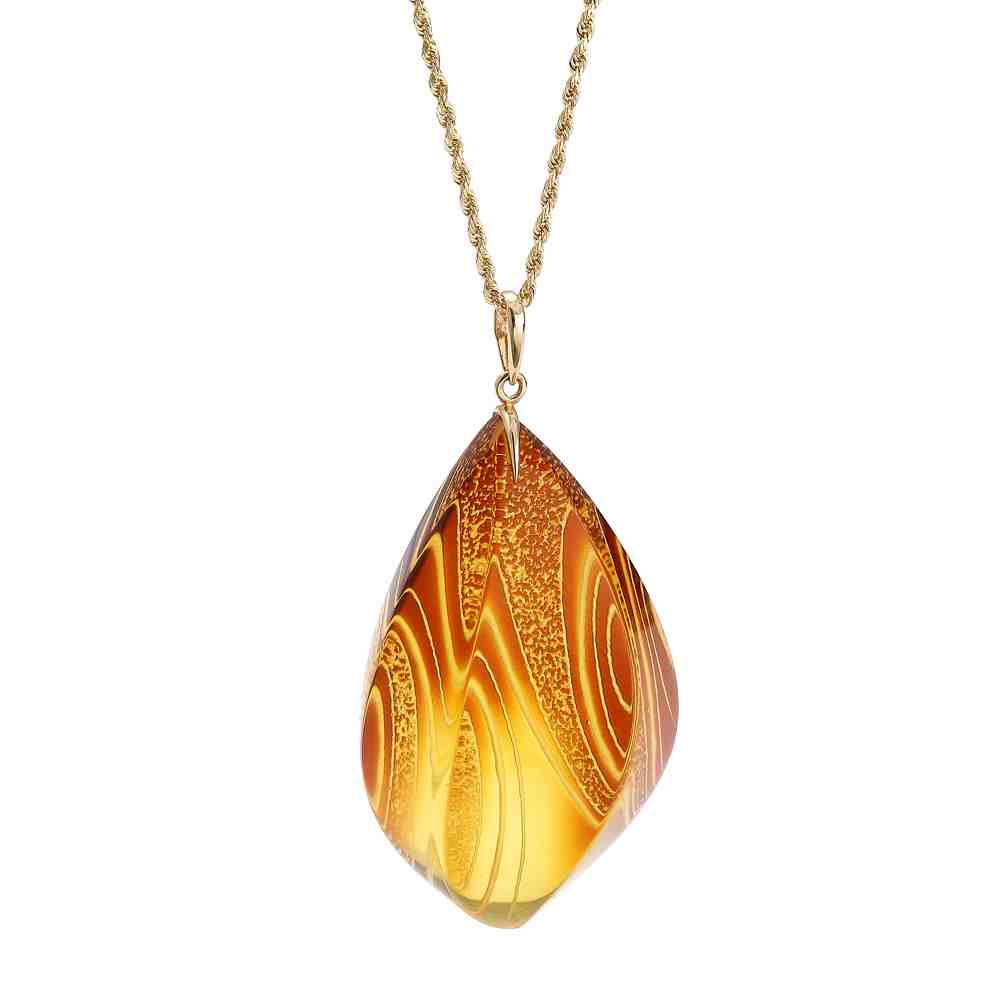
Why Amber Jewelry Design Captivates Collectors and Artisans Alike

Amber jewelry design combines ancient natural beauty with modern craftsmanship to create truly unique pieces. If you're looking to create amber jewelry designs, here are the essential elements you need to know:
Key Elements of Successful Amber Jewelry Design:
- Understand your material - Baltic amber is 30-50 million years old, formed from ancient pine tree resin
- Choose complementary metals - Sterling silver and gold settings improve amber's warm, organic glow
- Work with nature - Incorporate natural motifs like the Tree of Life, bees, and insects
- Accept uniqueness - No two amber pieces are alike due to natural color variations and inclusions
- Balance aesthetics and function - Design for wearability while showcasing amber's natural beauty
- Source authentically - Use certified Baltic amber from reputable suppliers
Amber stands apart from other gemstones because it's not a mineral at all. It's fossilized tree resin, making it one of the few truly organic gems. This "living" quality gives each piece a warm glow and inner matrix of light that seems to capture ancient sunlight from millions of years ago.
The appeal of amber jewelry extends beyond its beauty. Baltic amber is prized for its remarkable range of colors, from honey and cognac to rare green and cherry tones. Some pieces contain prehistoric insects or plant matter trapped inside, creating natural time capsules that add both rarity and storytelling value to your designs.
Whether you're drawn to classic European styles or modern minimalist aesthetics, amber jewelry design offers endless creative possibilities. The challenge lies in understanding this unique material's properties and learning how to showcase its natural beauty while creating durable, wearable art.
I'm Gabriel Ciupek, President and owner of Midwest Amber, Inc., where I've spent years working directly with Baltic amber suppliers and training teams on quality standards for Amber jewelry design. My experience in the amber industry has given me deep knowledge of sourcing genuine materials and understanding what makes each handcrafted piece truly special.
Easy Amber jewelry design word list:
Understanding Your Medium: The Unique Properties of Amber
What makes amber jewelry design so captivating and distinct from other precious jewelry? The answer lies in amber's profound uniqueness. Unlike traditional gemstones, amber isn't a mineral; it's fossilized tree resin, an organic gem that carries the warmth and history of ancient forests. This inherent difference lends amber an unsurpassed elegance and symmetry, allowing it to serve as a unique accessory that complements any outfit. Its "living" quality, described as having an inner matrix of light, sound, and energy, interacts in specific ways, offering a depth that mineral gems simply can't replicate.
Baltic amber, in particular, is the star of the show. Fostering myriad romantic images through the centuries, it's offered in a glorious selection of unparalleled radiance in neat designer styles and colors. Here at Midwest Amber, we hand-select our Baltic gemstones, often pairing them with sterling silver to create a sophisticated and attractive look that resonates with both classic and contemporary tastes.
The Geological Story: From Ancient Resin to Modern Gem
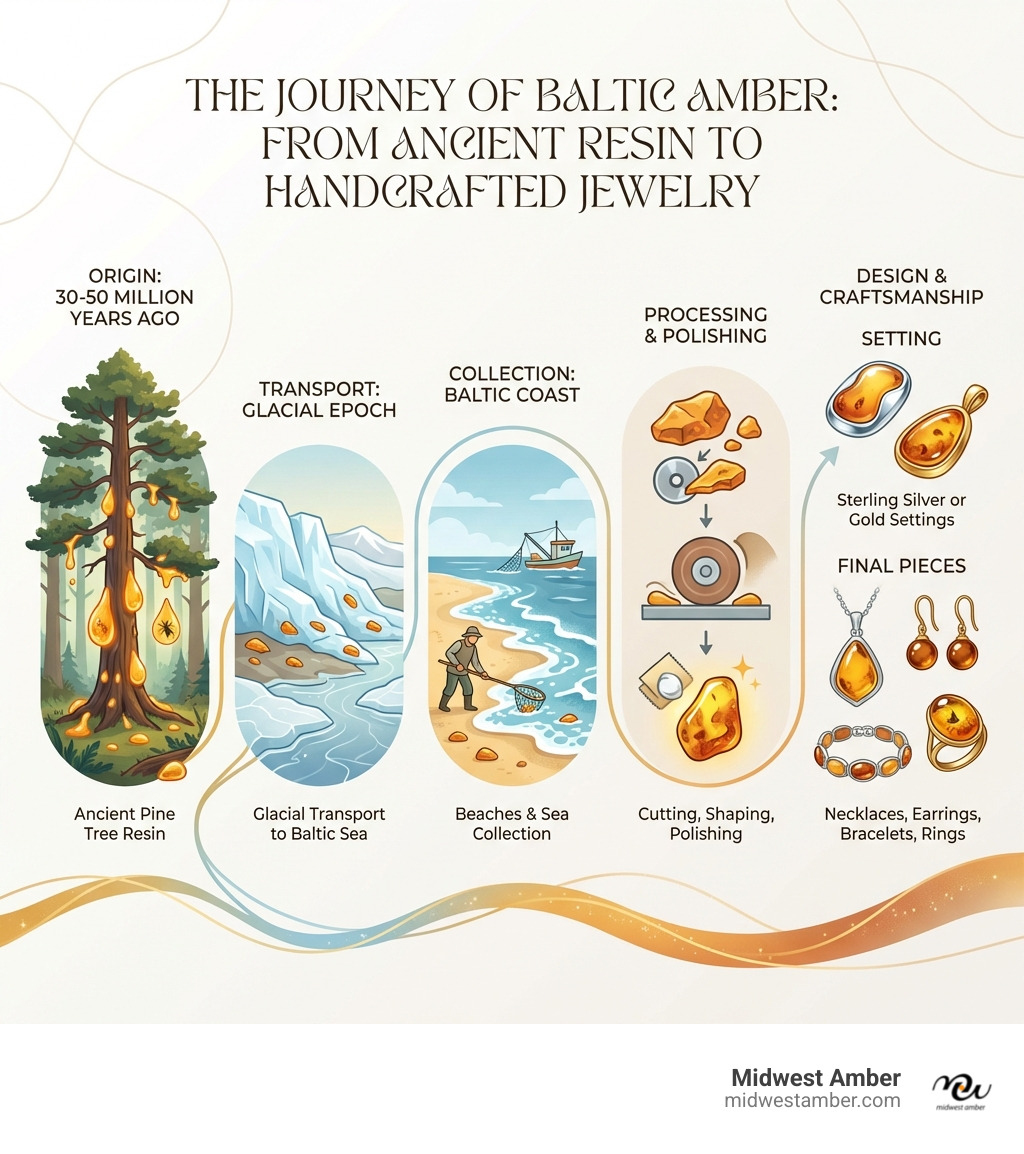
The journey of amber from ancient tree sap to a cherished gem is nothing short of miraculous. Amber gemstones are formed from resin that seeped out of pine trees 30-50 million years ago, during what geologists call the Eocene epoch. Imagine vast forests in the northern parts of Scandinavia, where thick, sticky resin oozed from damaged trees, capturing tiny insects, leaves, and air bubbles in its accept.
Over millions of years, this resin underwent a remarkable change. It was carried by glaciers and prehistoric rivers to the North and Baltic Seas, where it eventually hardened under immense pressure and specific geological conditions. This process, known as fossilization, turned the soft, sticky resin into the durable, beautiful amber we know today. The Baltic region remains the primary source for this ancient treasure, making Baltic amber highly favored for jewelry due to its age, quality, and abundance. To dive deeper into this incredible journey, explore Where Does Baltic Amber Come From? A Journey to the Eocene Epoch.
A Spectrum of Possibilities: Amber Colors and Textures
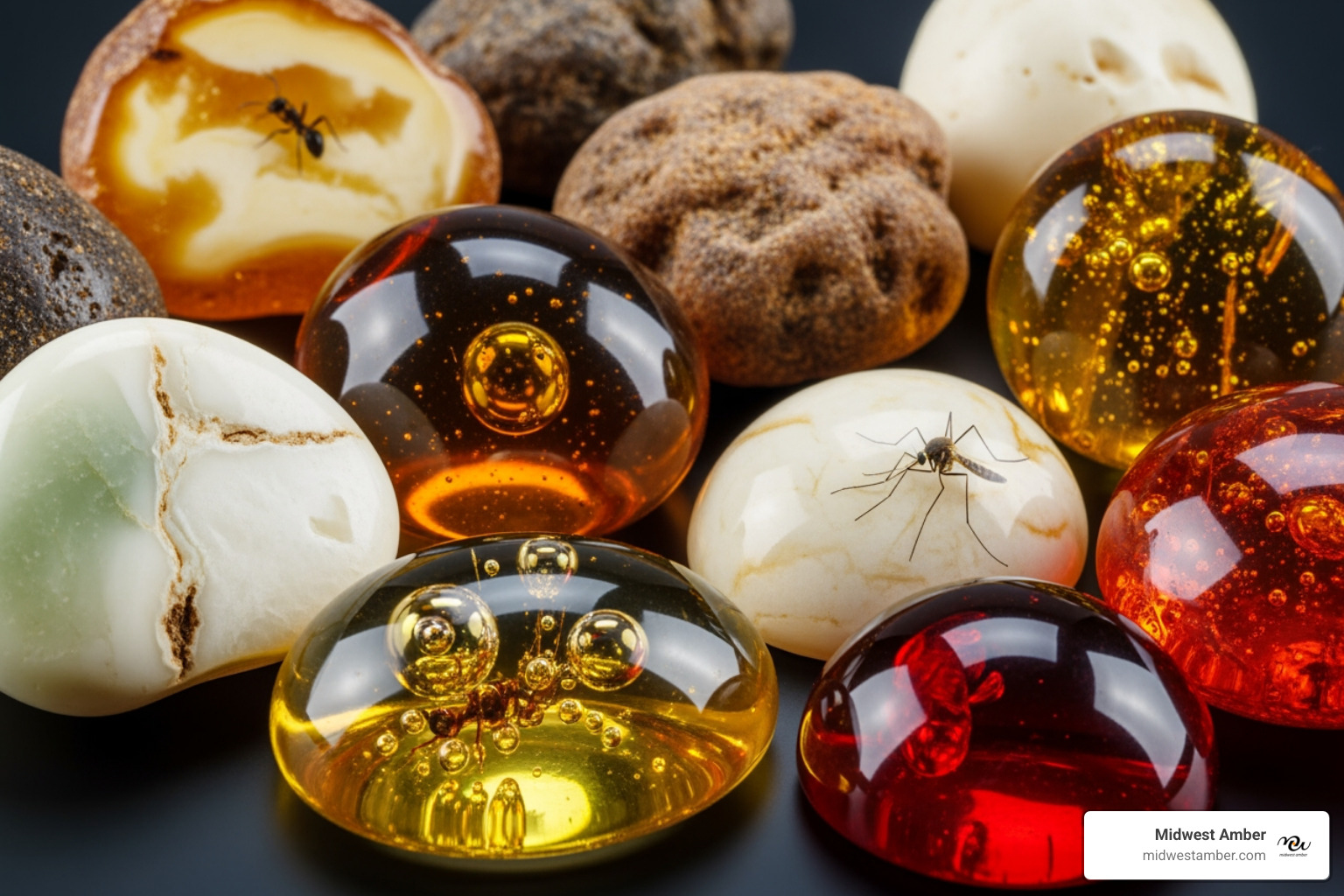
One of the most enchanting aspects of amber jewelry design is the incredible diversity in its colors and textures. Amber is not just one shade; it presents an entire array of hues crystallized into rich textures, each with its own charm and story.
Here's a glimpse into the spectrum we work with:
- Honey Amber: A classic, translucent golden-yellow, reminiscent of sweet honey.
- Cognac Amber: Deeper and richer than honey, with warm, reddish-brown tones.
- Cherry Amber: A beautiful, dark red, often achieved through heat treatment, giving it a rich, antique appearance.
- Green Amber: A rarer, often transparent shade, formed by natural inclusions or specific geological conditions, offering a vibrant, earthy hue.
- Black Amber (Jet): While technically a different fossilized material (lignite), it's often grouped with amber due to its similar organic origin and use in jewelry, offering a striking, deep black color.
- Egg Yolk Amber: Opaque and creamy, resembling the color of an egg yolk, known for its soft, buttery texture.
- Multicolor Amber: Pieces that naturally blend several colors, creating a unique mosaic effect.
Beyond color, amber's texture can range from perfectly smooth and polished to a more rustic, raw finish, preserving its natural, untouched beauty. The internal matrix of light within each piece, whether clear or cloudy, adds to its distinctive character. For a comprehensive look at these variations, check out From Raw to Red: A Shopper's Guide to Every Type of Amber Jewelry.
The 'Living' Gem: Energetic and Healing Qualities
Beyond its aesthetic appeal, amber holds a significant historical and cultural significance, often revered for its perceived energetic and healing qualities. Through centuries, it has been considered a magical substance, an "alive" gem that interacts with its wearer. Many believe that amber contains succinic acid, which, when warmed by body temperature, can be absorbed through the skin, potentially offering anti-inflammatory and pain-relieving benefits. This belief has led to its use in therapeutic jewelry for both adults and children, and even pets, making it a cornerstone of intentional jewelry design.
Whether attributed to ancient wisdom or personal experience, the idea that handcrafted amber jewelry designs contain an "inner matrix of light, sound, and energy that interacts in specific ways with Earth inhabitants" is a unique insight that sets amber apart. It's more than just an adornment; for many, it's a source of comfort, a symbol of protection, and a connection to ancient energies. While we focus on the beauty and craftsmanship of our pieces, we also appreciate the profound personal significance amber holds for many of our customers. Explore the depths of these perceived benefits in The Healing Glow: Exploring Amber's Anti-Inflammatory and Pain-Relieving Secrets.
Core Principles of Amber Jewelry Design
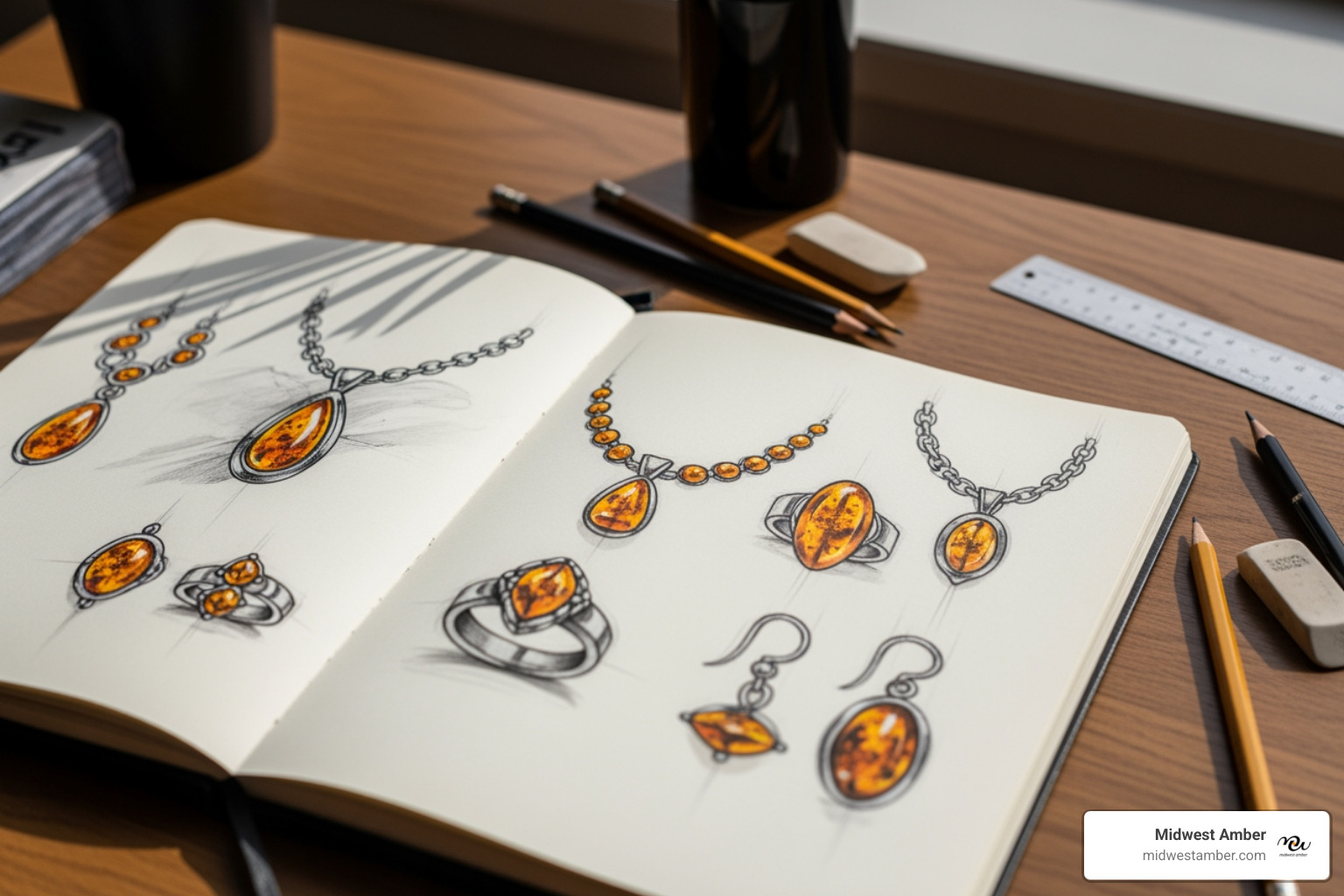
At the heart of every exquisite piece of amber jewelry lies a thoughtful design philosophy that balances aesthetics with wearability. For us at Midwest Amber, amber jewelry design is about creating pieces that are not only beautiful but also improve the wearer's style, rather than overshadowing it. This means carefully considering balance, proportion, and wearability in every design.
Baltic amber jewelry, with its inherent warmth and organic appeal, often reflects European fashion trends. For 2025, we anticipate a continued appreciation for natural elements and sophisticated simplicity, which amber perfectly embodies. Its unique qualities allow it to seamlessly integrate into various styles, from classic elegance to a more modern, California-chic aesthetic, making it a versatile choice for designers. Whether it's a statement piece or a subtle accent, our design philosophy aims to create modern heirlooms that resonate with sensitivity, change, and wild-hearted beauty.
Complementary Materials: Choosing the Right Setting
The metal setting plays a crucial role in enhancing the beauty of amber. The right choice can draw out its warm tones and create a harmonious, sophisticated look.
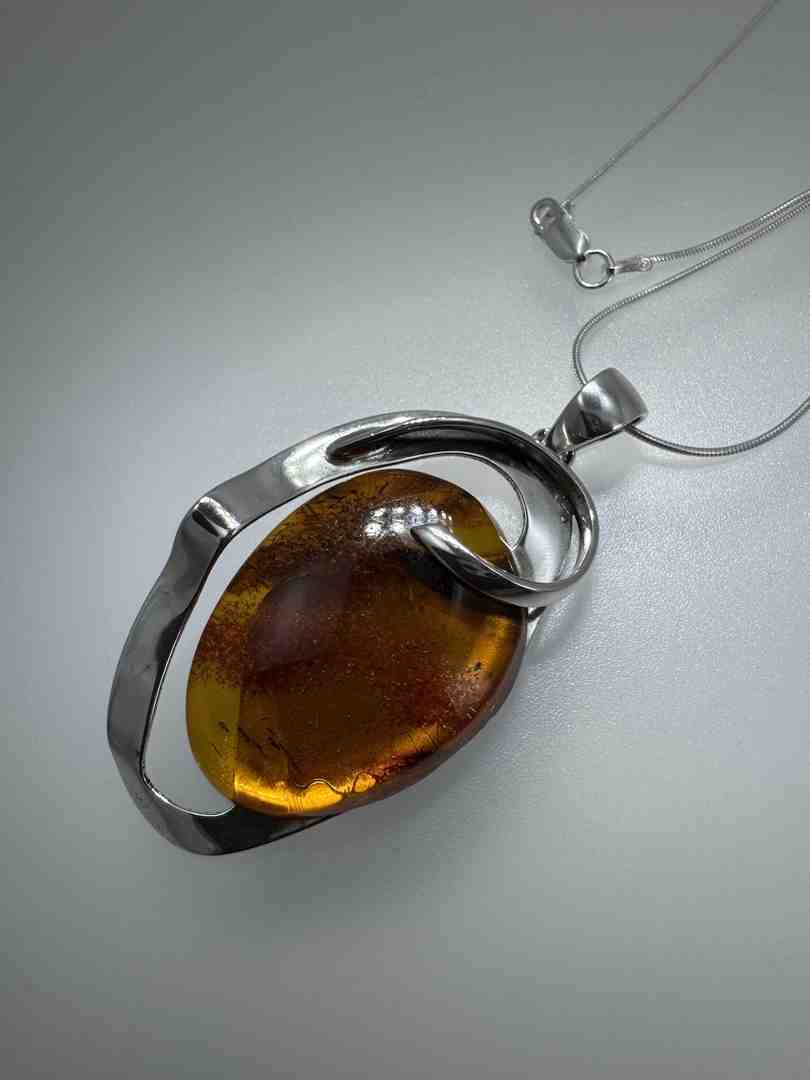
- Sterling Silver: This is arguably the most popular choice for Baltic amber. Its cool, lustrous sheen beautifully complements amber's warm, earthy hues, creating a striking contrast that feels both modern and timeless. Many of our handcrafted pieces at Midwest Amber feature hand-selected Baltic gemstones set in sterling silver, achieving that sophisticated and attractive look our customers love. For inspiration, see Your Dazzling Guide to Amber Bracelets in Sterling Silver.
- Gold (9ct, 14k, 18k): Gold, whether yellow, white, or rose, offers a different kind of synergy with amber. Yellow gold, in particular, improves amber's natural warmth, creating a rich, classic, and luxurious feel. White gold can offer a more subtle contrast similar to silver, while rose gold adds a romantic, contemporary touch. High-end designs often pair amber with gold, silver, cold enamel, zirconia, or even diamonds, illustrating the versatility of this organic gem with other precious materials.
The choice of setting truly depends on the desired aesthetic and how the amber's specific color and clarity are best highlighted.
Incorporating Nature: Popular Motifs and Themes
Amber's natural origin makes it a perfect canvas for designs inspired by the natural world. Amber jewelry design frequently incorporates themes that echo its ancient past and organic essence.
Some of the most popular motifs and themes include:
- Tree of Life: Symbolizing connection, growth, and eternity, the Tree of Life motif is a powerful complement to amber's ancient origins.
- Bees and Insects: Given that amber often preserves insects from millions of years ago, bee motifs and designs featuring actual insect inclusions are incredibly popular and meaningful. Find your perfect pair of Amber Bee Earrings.
- Floral Patterns: Leaves, flowers, and vines reflect amber's forest heritage, adding a delicate and organic touch.
- Natural Elements: Designs might incorporate other elements like anchors (nodding to its oceanic journey), pearls, or even "beach treasures" and stones "found in the wild," as seen in unique artisan creations.
These natural themes not only celebrate amber's story but also resonate with those who appreciate the wild-hearted beauty of the Earth.
Balancing Form and Function in Amber Jewelry Design
When designing with amber, consider both its aesthetic appeal and its practical wearability. Amber is relatively lightweight, which is a significant advantage in jewelry design, especially for larger pieces.
Different types of amber jewelry available include:
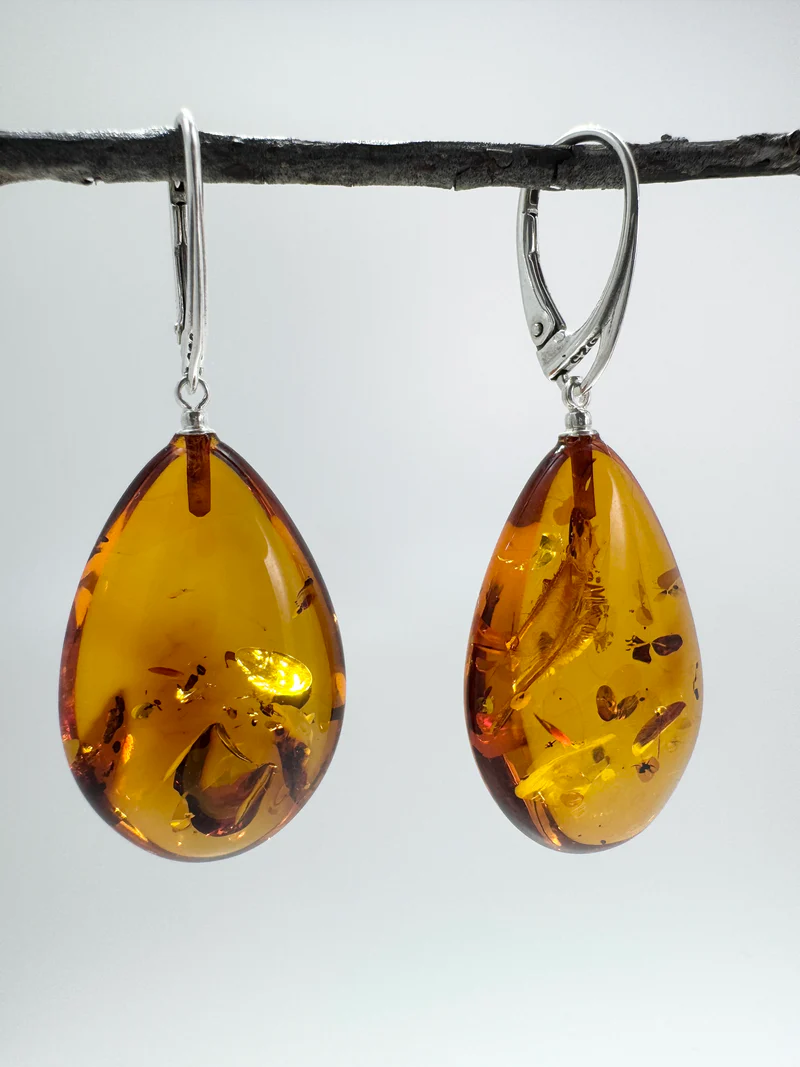
- Earrings: Amber drop earrings and studs are popular due to amber's lightness, making them comfortable for extended wear.
- Pendants: Amber's unique shapes and inclusions make it ideal for pendants, allowing the stone to be the focal point.
- Bracelets: From delicate chains with small amber beads to chunky cuff bracelets, amber's warmth against the skin is cherished.
- Rings: Amber rings can range from bold statement pieces to subtle everyday adornments.
- Brooches: Often overlooked, amber brooches offer a classic way to showcase larger, unique pieces of amber. Explore more about these versatile accessories in All About Amber Brooches.
The goal is to design pieces that are comfortable, durable, and allow the amber to shine without being cumbersome. Balancing the natural beauty of the gem with the realities of daily wear ensures that each piece is not just art, but also a cherished part of someone's life.
Techniques and Styles in Handcrafted Amber Jewelry
The creation of amber jewelry is a testament to the skill and artistry of Baltic artisans. Their craftsmanship is appreciated for its variety and unique values, changing raw, ancient resin into exquisite handcrafted adornments. At Midwest Amber, we pride ourselves on offering pieces that are not just jewelry, but modern heirlooms, each reflecting a unique approach to amber jewelry design. Our commitment to 100% natural, ethically sourced amber from Poland and Lithuania, combined with over 20 years of experience, ensures that every piece is crafted with expertise and passion.
From Raw to Radiant: Shaping and Polishing Amber
The journey of amber from its raw state to a polished gem ready for setting involves meticulous techniques. Artisans carefully shape and polish the amber to bring out its inner radiance while often retaining some of its natural texture and character.
- Shaping Techniques: Amber can be carved, faceted, or left in its natural, organic form, known as "raw" or "unpolished" amber. The choice depends on the desired aesthetic—a smooth cabochon highlights clarity and color, while a rougher cut emphasizes its earthy origins.
- Polishing Methods: Polishing brings out amber's natural luster. This is typically done in stages, using progressively finer abrasives to achieve a brilliant shine without compromising the integrity of the stone.
- Bezel Setting: A common and secure method for setting amber is the bezel setting. This involves wrapping a thin strip of metal around the amber's perimeter, holding it firmly in place. This technique is particularly effective for irregularly shaped pieces and helps protect the amber. Learn more about this process in From Rough to Radiant: How to Bezel Set Amber in a Sterling Silver Bracelet.
Modern vs. Classic: Adapting Amber Jewelry Design for Today's Trends
Amber jewelry design spans a wide spectrum, from faithfully classic European styles to cutting-edge modern aesthetics. Baltic amber jewelry beautifully reflects European fashion trends, which often blend timeless elegance with contemporary flair.
- Classic European Styles: These designs often feature larger, more traditional amber cabochons set in ornate sterling silver or gold, sometimes with intricate filigree work. They evoke a sense of history and sophistication, reflecting the rich heritage of amber in European culture.
- Modern Twists: Contemporary designs accept minimalist aesthetics, clean lines, and innovative settings. This can include sleek, understated pieces that allow the amber to speak for itself, or designs with a "California-chic" vibe, combining natural elements with a laid-back elegance. Black amber, for instance, can be transformed into strikingly modern pieces. Find how classic meets contemporary in Find Your Perfect Polish Amber Ring from Classic to Modern Black Amber.
The beauty of amber is its adaptability, allowing designers to create pieces that are both timeless and perfectly aligned with current fashion sensibilities.
Creating Unique Pieces: The Art of Inclusions
Perhaps one of the most fascinating aspects of amber jewelry design is the ability to incorporate inclusions. Amber's ability to preserve insects and plants trapped in resin from 30-50 million years ago makes these inclusions incredibly rare and valuable.
Designing around these ancient time capsules offers a unique opportunity for storytelling:
- Insect Inclusions: A tiny fly, a mosquito, an ant—each inclusion is a snapshot of prehistoric life, making the piece truly one-of-a-kind. These pieces are highly sought after and can command significant value.
- Plant Matter and Air Bubbles: Bits of ancient leaves, bark, or even tiny air bubbles trapped within the amber add depth, character, and a tangible connection to the Eocene epoch.
When designing with inclusions, the goal is often to highlight the trapped element, framing it in a way that draws the eye and emphasizes its rarity and historical significance. This turns a piece of jewelry into a miniature museum, a conversation starter, and a connection to a world long past. For a truly unique design, explore Jurassic Gems: Where to Find Mosquito in Amber Necklaces.
Sourcing and Selecting Amber for Your Designs
For any designer passionate about creating authentic and high-quality amber jewelry, ethical sourcing and careful selection are paramount. At Midwest Amber, we understand that the beauty of our handcrafted, genuine Baltic Amber jewelry begins with the source. We specialize in 100% natural, ethically sourced amber from Poland and Lithuania, countries renowned for their rich amber traditions and skilled artisans. With over 20 years of experience, we ensure that every piece of amber we use is backed by certified authenticity. This commitment means that when you choose our amber, you're not just getting a beautiful stone, but one with a verifiable history and ethical journey.
How to Identify Genuine Baltic Amber
In amber, not all that glitters is genuine. Unfortunately, there are many imitations on the market. Knowing how to identify authentic Baltic amber is crucial for both designers and consumers.
Here are some common tests to help distinguish genuine amber from fakes:
- Saltwater Test: Genuine amber is buoyant in saltwater. Mix about 2 tablespoons of salt in a glass of water and drop the amber in. If it floats, it's likely real amber. If it sinks, it's probably plastic or glass.
- Scent Test: When gently heated (e.g., by rubbing vigorously or touching a hot needle to an inconspicuous spot), genuine amber emits a distinct pine-like resinous odor. Plastic will smell like burnt plastic, and copal (younger resin) will give off a sweet, rather than piney, scent. Caution: Use this test carefully and at your own risk.
- UV Light Test: Under UV light, genuine amber often fluoresces with a blue or green hue. Many plastics and glass imitations will not react this way.
- Visual Inspection: Look for imperfections! Real amber often contains small air bubbles, cracks, or inclusions. Uniformly perfect pieces can be suspicious. Natural amber also feels warm to the touch, unlike glass.
For more detailed information on verifying authenticity, consult Real or Resin: How to Tell If Your Amber Jewelry Is Genuine.
The Importance of Certified and Ethically Sourced Amber
Choosing certified and ethically sourced amber is not just a matter of quality; it's a commitment to responsible practices and supporting artisan communities. When we source our amber from Poland and Lithuania, we're not just buying a product; we're engaging with a tradition of Baltic artisan jewelry craftsmanship that is appreciated for its variety and unique values.
Working with reputable suppliers who provide certificates of authenticity ensures that our amber is genuine and has been obtained through fair and sustainable methods. This transparency is vital for maintaining the integrity of amber jewelry design and for building trust with our customers. It means that the beautiful amber we use in our designs has a clear origin and a story that aligns with our values. To learn more about securing authentic amber, see Don't Get Fooled: The Definitive Guide to Certified Baltic Amber.
Frequently Asked Questions about Amber Jewelry Design
What is the best metal to pair with amber?
The "best" metal for amber largely depends on the desired aesthetic. For a cool, contemporary, and often more affordable look, sterling silver is an excellent choice. Its bright luster beautifully contrasts with amber's warm tones, creating a sophisticated appeal. For a classic, luxurious, and warm feel, gold (9ct, 14k, or 18k) is ideal, particularly yellow gold, which complements amber's natural hues. Rose gold can offer a modern, romantic touch. Personal preference and the specific color of the amber will guide the decision.
Can I design jewelry with raw, unpolished amber?
Absolutely! Designing with raw, unpolished amber is a fantastic way to create pieces with a natural, earthy aesthetic. Many artisans celebrate the "wild-hearted beauty" of amber by showcasing its untouched form. Raw amber can be incorporated into unique, handcrafted adornments, often paired with other natural elements or simple metal settings. While it may have a less durable surface than polished amber, its organic texture and appearance can be incredibly striking and meaningful, resonating with those who appreciate a more rustic and authentic feel.
How do I care for the amber jewelry I create?
Proper care is essential to maintain the beauty and longevity of amber jewelry. Amber is a relatively soft organic gem, so it requires gentle handling.
Here are some tips:
- Avoid harsh chemicals: Keep amber away from perfumes, hairsprays, lotions, and cleaning agents, as these can damage its surface.
- Clean gently: Use a soft, damp cloth (preferably microfiber) to wipe your amber jewelry. For a deeper clean, a mild soap and water solution can be used, but ensure it's rinsed thoroughly and dried immediately.
- Store separately: To prevent scratches, store amber jewelry in a soft pouch or a separate compartment in your jewelry box, away from harder gemstones and metals.
- Avoid extreme temperatures: Sudden changes in temperature or prolonged exposure to direct sunlight can cause amber to crack or discolor.
- Polish occasionally: If the amber loses its luster, it can be gently polished with a specialized amber polishing cloth or a very fine jeweler's rouge.
By following these simple care instructions, your amber creations will remain radiant for years to come.
Conclusion: Bringing Your Amber Creations to Life
Amber jewelry design is a journey into the heart of ancient nature, transformed into wearable art. We've explored what makes amber unique—its organic origins, its "living" quality, and its incredible geological story spanning millions of years. We've digd into its spectrum of colors and textures, from the warm glow of honey to the deep mystery of cherry, and even touched upon its perceived energetic and healing qualities that add a profound dimension to its appeal.
We've also highlighted the core principles of designing with this extraordinary material, emphasizing the importance of choosing complementary metals like sterling silver and gold, incorporating natural motifs, and balancing form with function. The artistry of Baltic craftsmanship, from shaping and polishing to creating modern or classic styles, showcases amber's versatility. And, of course, the magic of inclusions—tiny windows into a prehistoric world—offers unparalleled opportunities for unique storytelling in your designs.
At Midwest Amber, our commitment to 100% natural, ethically sourced Baltic amber from Poland and Lithuania, backed by over 20 years of experience, ensures that every piece of amber jewelry design we offer is not only beautiful but also authentic and meaningful. We hope this guide inspires you to accept the creative possibilities of amber, allowing its ancient light to shine through your unique creations. For a more comprehensive understanding of this captivating gem, explore The Ultimate Guide to Amber Jewelry.

Leave a comment
This site is protected by hCaptcha and the hCaptcha Privacy Policy and Terms of Service apply.