

Why Inclusions in Amber Are Nature's Time Capsules
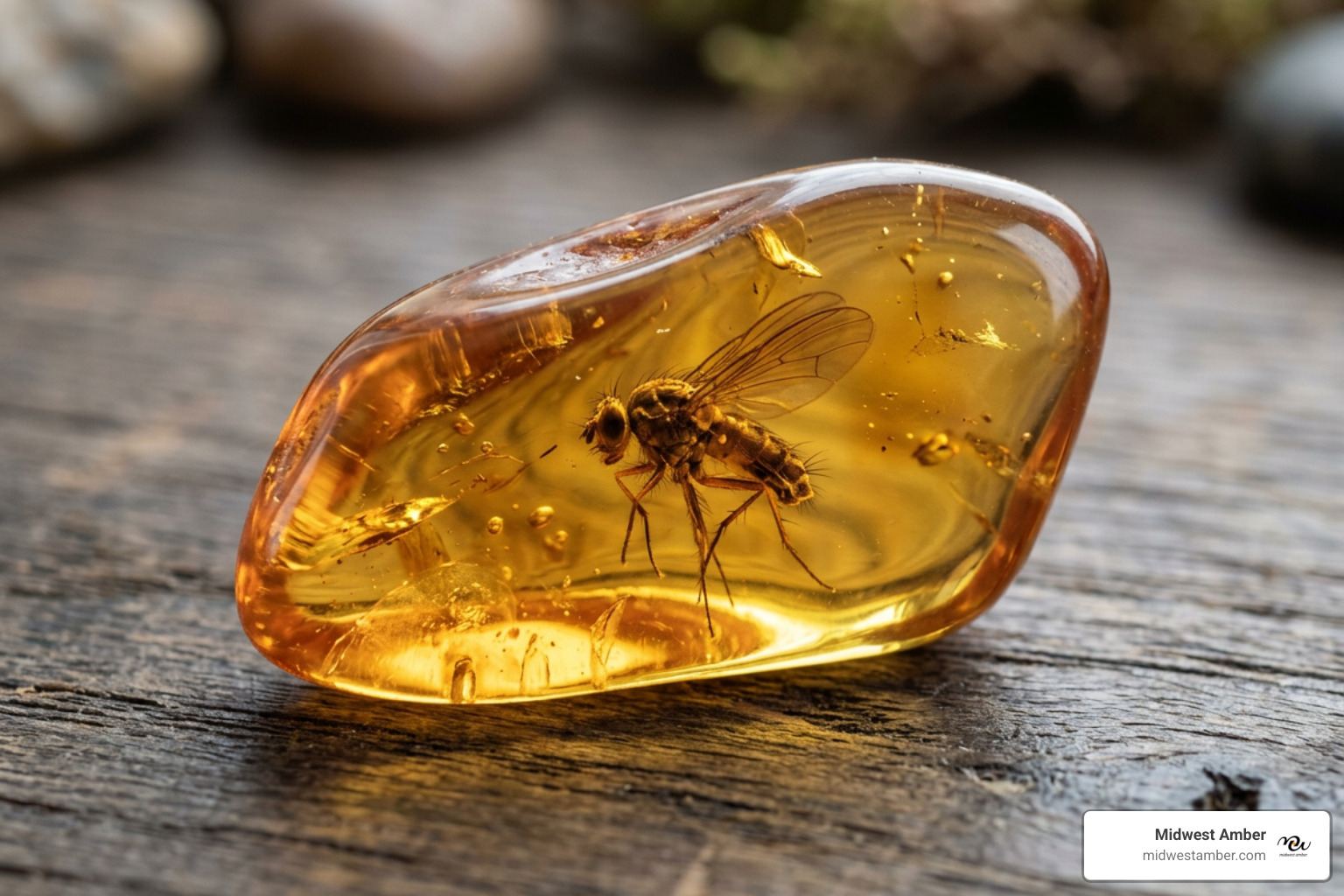
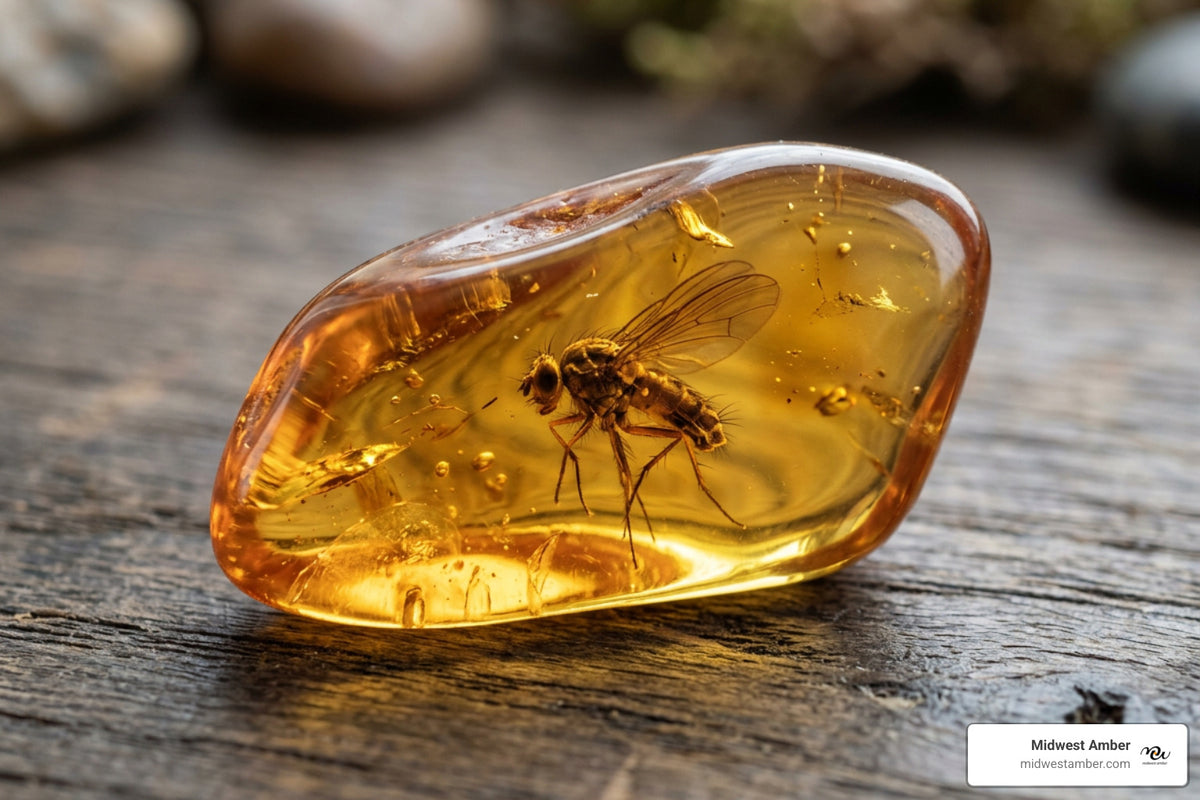
Inclusions in amber are plants, insects, and other small materials trapped in sticky tree resin long ago. As that resin hardened and fossilized, it preserved a remarkable snapshot of an ancient forest. In genuine Baltic amber, the most familiar inclusions are tiny true flies, spiders, ants, beetles, plant fragments, and pollen.
These small fossils matter for two reasons:
- For science: they help researchers identify extinct species and rebuild ancient ecosystems.
- For collectors: a clear, well-preserved inclusion can make a genuine Baltic amber piece especially distinctive and meaningful.
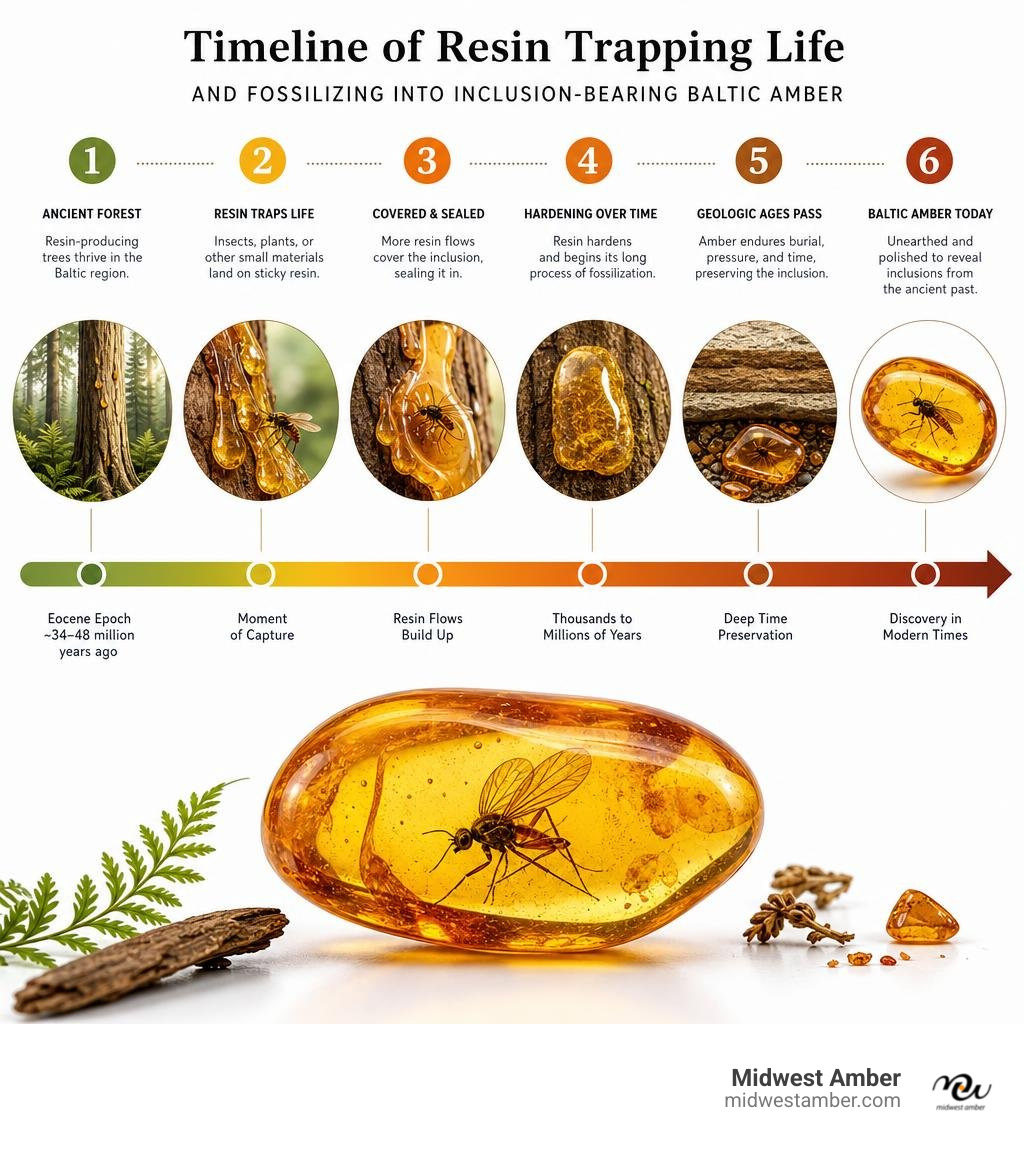
Baltic amber is largely Eocene in age, formed roughly 34 to 48 million years ago. Its resin came from an ancient forest in the Baltic region, and each inclusion records a brief event: an insect landing on resin, a fragment of vegetation falling into it, or several organisms becoming enclosed in successive resin flows.
For jewelry lovers, this is what makes handcrafted amber so personal. A pendant, pair of earrings, or collector piece with a visible inclusion is not simply golden fossil resin - it is a one-of-a-kind connection to deep natural history.
I am Gabriel Ciupek, owner of Midwest Amber, with experience sourcing, evaluating, and presenting genuine Baltic amber jewelry and collector pieces with inclusions in amber. In this guide, I will explain what these natural fossils reveal, which ones are common or rare, and how to appreciate their lasting scientific and collector value.
Terms related to inclusions in amber:
Geological Origins and Formation of Amber Inclusions
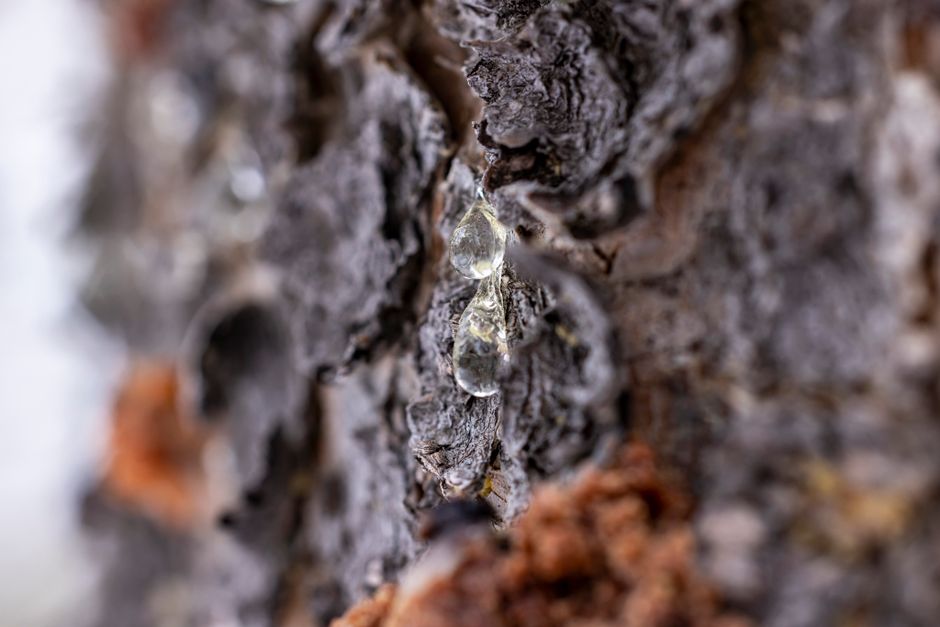
The journey of an organic inclusion begins with tree defense. When prehistoric trees suffered mechanical damage, pest attacks, or fungal infestations, they secreted thick, sticky resin as an antiseptic sealant. Groundbreaking scientific research on Middle Devonian amber demonstrates that plant secretory systems evolved at least 385 million years ago to seal injuries and resist environmental stresses.
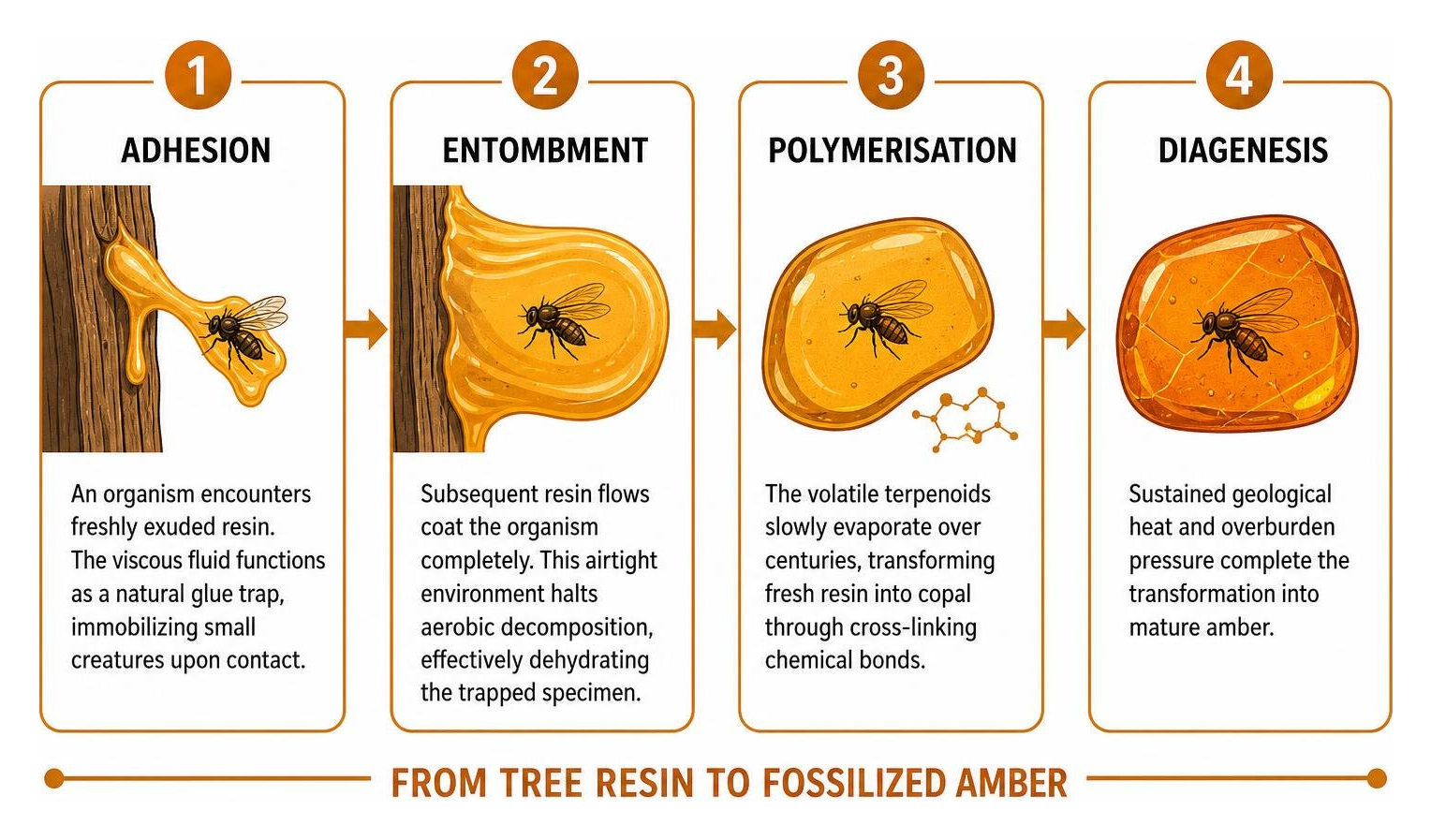
Taphonomy describes the fossilization process from entombment to modern discovery across four distinct phases:
- Adhesion: An organism encounters freshly exuded resin. The viscous fluid functions as a natural glue trap, immobilizing small creatures upon contact.
- Entombment: Subsequent resin flows coat the organism completely. This airtight environment halts aerobic decomposition, effectively dehydrating the trapped specimen.
- Polymerisation: The volatile terpenoids slowly evaporate over centuries, transforming fresh resin into copal through cross-linking chemical bonds.
- Diagenesis: Sustained geological heat and overburden pressure complete the transformation into mature amber.
Genuine Baltic amber, scientifically known as succinite, is classified as a Class Ia fossil resin. It features a macromolecular structure based on communic acid and contains a distinctive 3% to 8% concentration of succinic acid. This unique chemical profile acts as an organic preservative, mummifying delicate tissues and leaving high-fidelity molds within the hardened matrix.
Ancient Source Forests and Botanical Producers
The prehistoric Baltic forest flourished during the warm, humid greenhouse climate of the Eocene epoch. For decades, researchers attributed Baltic amber entirely to an extinct conifer named Pinus succinifera. However, modern paleobotanical and infrared spectroscopic evidence reveals a more diverse forest canopy.
The primary resin producers were ancient relatives of the Sciadopityaceae family (umbrella pines), alongside contributions from species within the Pinaceae (pine) and Cupressaceae (cypress) families. This mixed subtropical ecosystem enjoyed average annual temperatures between 16°C and 20°C without harsh frosts. Towering resin-producing conifers stood alongside palms, broadleaf oaks, and mosses, generating an abundance of sticky resin that accumulated on forest floors and washed into ancient depositional river basins.
Deep Time Chronology: From Triassic to Cenozoic Resins
While the oldest microscopic amber dates back approximately 320 million years to the Upper Carboniferous Period, biological inclusions require substantial resin volume. A detailed analysis of amber inclusions reveals that the oldest known arthropod inclusions date to the Late Triassic period, roughly 230 million years ago, discovered in the Italian Alps. These ancient specimens preserve microscopic gall mites and a primitive nematoceran fly.
As flowering plants diversified during the Cretaceous period, inclusion diversity expanded. Notable deposits include:
- Lebanese Amber (125–135 million years old): Yields early representatives of modern terrestrial arthropod lineages.
- Burmese Amber (c. 99 million years old): Extracted from northern Myanmar, this deposit has yielded over 1,300 described prehistoric species.
- Baltic Amber (34–48 million years old): The global benchmark for clarity, preservation, and gemstone quality, offering insights into Eocene biodiversity, as outlined in our Amber Insect Inclusion Complete Guide.
Most Common Biological Inclusions in Amber
Not all prehistoric organisms stood an equal chance of becoming entombed. Body mass, habitat preference, and daily behavior dictated which creatures met sticky resin. Small, airborne insects flying through the humid forest understory were the most vulnerable.
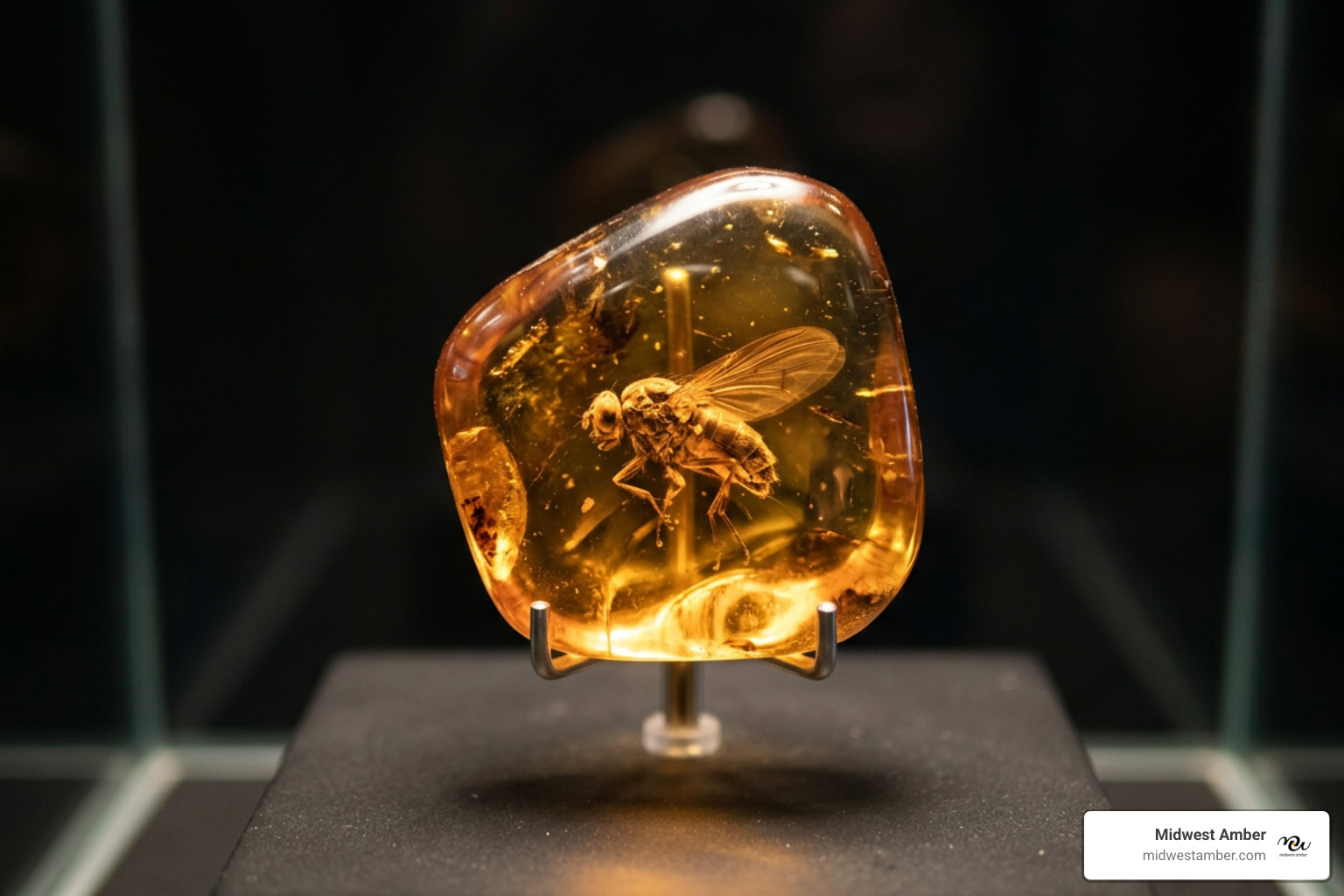
Diptera (true flies) are the undisputed dominant order found in Baltic amber, comprising between 55% and 70% of all animal inclusions. Dark-winged fungus gnats (Sciaridae), non-biting midges (Chironomidae), gall midges (Cecidomyiidae), and dance flies (Empididae) thrived in the damp forest litter near resinous tree trunks, leading to frequent entrapment.
| Inclusion Category | Taxonomic Order / Type | Approximate Frequency in Baltic Amber | Key Identifying Features |
|---|---|---|---|
| Dominant Insects | Diptera (Flies, Midges, Gnats) | 55% – 70% | Single pair of wings, delicate halteres, long antennae |
| Arachnids | Araneae (Spiders), Acari (Mites) | 10% – 15% | Eight walking legs, silk spinnerets, unsegmented cephalothorax |
| Social & Solitary Insects | Hymenoptera (Ants, Wasps, Bees) | 5% – 15% | Constricted waist, elbowed antennae, four membranous wings |
| Botanical Material | Plant hairs, oak trichomes, pollen | 5% – 15% | Star-shaped micro-hairs, cellular plant walls, amber droplets |
| Armored Insects | Coleoptera (Beetles) | 2% – 5% | Rigid elytra wing covers, robust mandibles, compact bodies |
| True Bugs | Hemiptera (Aphids, Scale insects) | 3% – 6% | Piercing-sucking mouthparts, semi-rigid forewings |
| Scaly-Winged Insects | Lepidoptera (Moths, Butterflies) | < 0.5% | Delicate powdery wing scales, elongated proboscis |
| Vertebrate Remains | Feathers, skin fragments, bone casts | < 0.01% | Microscopic feather barbules, reptilian scales |
Arachnids, Social Insects, and Beetles
Arachnids represent the second most common animal group in Baltic resin, accounting for 10% to 15% of fauna. Spiders (Araneae) account for about 10%, often preserved with fine silk threads or grasping limbs. Mites (Acari), particularly litter-dwelling oribatid box mites, are also common syninclusions.
Hymenopterans comprise 5% to 15% of faunal inclusions. Ancient ants, parasitic ichneumon wasps, and solitary bees were frequently caught while foraging on tree bark. A natural insect fossil specimen featuring an intact wasp offers a clear look at these prehistoric details.
True honeybees belonging to the modern genus Apis do not occur in Eocene Baltic amber; any bees discovered belong to ancestral, solitary lineages such as the Melittidae.
Coleoptera (beetles) represent 2% to 5% of animal inclusions. Because beetles possess tough, smooth wing covers (elytra), larger species frequently pulled themselves free from sticky resin. Those that remained trapped were typically small bark beetles, rove beetles, and click beetles.
Flora and Botanical Inclusions in Amber
Botanical matter appears in 5% to 15% of Baltic amber pieces, but finding an intact bloom remains an extraordinary event. The most frequent botanical elements are stellate oak trichomes—tiny star-shaped hairs shed by prehistoric oak catkins (Quercus) that drifted onto wet resin surfaces.
Other botanical inclusions include:
- Individual grains and clusters of gymnosperm pollen
- Pine needle fragments and conifer bud scales
- Moss leaflets and fungal mycelia spreading across resin seams
An intact, fully open flower inclusion is one of the most prized discoveries in gemology, providing paleobotanists with clear evidence of ancient floral structures. Discovering authentic amber inclusions with organic plant life lets us view the original forest floor as it appeared 40 million years ago.
Paleontological Significance and Modern Scientific Study
Amber inclusions provide insights that mineralized rock fossils rarely match. In traditional shale or limestone, organic remains are flattened under tremendous pressure, losing their fine anatomical depth. In contrast, tree resin acts as an optical storage medium, preserving 3D morphology alongside behavioral interactions.
Paleontologists regularly find behavioral moments preserved in amber:
- Mating pairs: Male and female midges captured in mid-courtship.
- Trophic interactions: Spiders caught clutching prey wrapped in silk strands.
- Ichnofossils: Beetle coprolites (fossil droppings) and gnawed bark channels.
- Defense secretions: Distress droplets and gut contents expelled during entrapment.
Resin flows also record dynamic interface ecosystems. Research on marine fossils trapped in Burmese amber documented a juvenile marine ammonite shell (Puzosia) entombed alongside 23 terrestrial mites, marine gastropods, and littoral isopods. Because trees grew along the coastal shoreline, empty marine shells washed onto sandy beaches, where falling resin droplets preserved sea life alongside forest-dwelling fauna.
Advanced Non-Destructive Imaging Technologies
Studying delicate inclusions requires methods that preserve the gemstone integrity. Modern laboratories use non-invasive imaging techniques:
- 3D X-Ray Microtomography (Micro-CT): Micro-CT sends high-resolution X-ray beams through the amber to construct virtual 3D models of internal cavities. This technique reveals internal organs, digestive tracts, and wing venation hidden within cloudy amber without cutting the stone.
- Digital Focus Stacking: Optical photography combines dozens of shallow-depth images at sequential focal planes into a single sharp image.
- FTIR Spectroscopy: Fourier Transform Infrared Spectroscopy analyzes chemical functional groups to confirm regional provenance. Baltic succinite displays a diagnostic baseline profile known as the "Baltic amber shoulder" between 8 and 9 micrometers.
The Truth About Prehistoric DNA Preservation
Popular books and movies popularized the idea of extracting dinosaur DNA from mosquitoes trapped in amber. However, real-world paleogenetics tells a different story.
While amber keeps out air and microbial scavengers, it cannot stop molecular decay over millions of years. Exposure to natural background radiation, trace water, and spontaneous chemical degradation breaks down DNA bonds. Modern empirical testing confirms that recoverable, readable prehistoric DNA does not survive across tens of millions of years.
What appears to be a preserved insect is an empty chitinous husk or a hollow carbon mold replicating fine surface features down to the sub-micrometer scale.
Exceptional Collector Rarities and Famous Museum Specimens
The rarest inclusions represent transient forest encounters or animals strong enough to escape sticky resin. Vertebrate inclusions represent less than 0.01% of all faunal findings, making every vertebrate discovery an important scientific event.
Collector rarities include:
- Intact mammalian hair strands and delicate bird feather barbules
- Complete squamate skin molts and tiny gecko toes
- Social ant gatherings showing trophallaxis (mutual feeding)
- Mayflies (Ephemeroptera) and caddisflies (Trichoptera) with clear wing membranes
A wearable Baltic amber fossil fly inclusion pendant combines natural history with everyday elegance. Collectors looking to learn more about identifying rare specimens can read our Amber Insect Inclusions Guide 2026 for deeper taxonomic advice.
World-Renowned Amber Collections and Repositories
Several public institutions house notable amber collections:
- Palanga Amber Museum (Lithuania): Located in the historic Tiškevičiai Palace, housing over 28,000 amber specimens, including diverse insect and botanical inclusions.
- German Amber Museum (Ribnitz-Damgarten, Germany): Famous for regional European fossil resins and detailed taphonomic displays.
- Geoscience Centre of the University of Göttingen (Germany): Houses thousands of historical Eocene holotypes used for taxonomic descriptions.
- Senckenberg Research Institute (Frankfurt, Germany): A leader in micro-CT scanning and 3D imaging of arthropod inclusions.
- Natural History Museum (Vienna, Austria): Renowned for its amber pieces, including spiders preserved alongside their web silk.
For those who want to wear a piece of natural history every day, handcrafted pieces like our genuine Baltic amber bug inclusion earrings offer a direct connection to these ancient ecosystems.
Rarity and Value Factors of Inclusions in Amber
Evaluating a piece with inclusions depends on several gemological and biological characteristics:
- Inclusion Clarity: Clear honey, lemon, or cognac amber that allows a sharp, unobstructed view commands higher value than opaque or heavily clouded stones.
- Taxonomic Rarity: While midges are common, praying mantises, wasps, beetles, spiders, and fully open flowers are considerably rarer.
- Completeness & Pose: Whole specimens with outstretched limbs, intact antennae, and lifelike posture are prized over partial or damaged fragments.
- Artisan Craftsmanship: Polish and Lithuanian jewelers carefully cut, shape, and polish each natural stone by hand. Master lapidaries orient the amber cabochon to act as a natural magnifying lens for custom rings, necklaces, bracelets, earrings, pendants, and brooches.
Frequently Asked Questions About Amber Inclusions
What is the most common inclusion found in Baltic amber?
True flies belonging to the order Diptera are the most common inclusion, accounting for 55% to 70% of all animal discoveries in Baltic amber. Within this order, dark-winged fungus gnats (family Sciaridae) and non-biting midges (family Chironomidae) appear most frequently because they lived and bred in damp leaf litter near resin-producing trees.
Can scientists clone prehistoric organisms using amber DNA?
No, cloning extinct creatures from amber is not scientifically possible. Although amber preserves delicate 3D surface structures, DNA molecules degrade over time due to natural decay and environmental radiation. Over millions of years, the genetic material breaks down into unreadable chemical fragments.
How old is the oldest amber specimen discovered with inclusions?
The oldest amber containing arthropod inclusions was discovered in the Late Triassic deposits of the Dolomite Alps in northern Italy, dating to approximately 230 million years ago. These microscopic amber droplets preserved gall mites (Triasacarus and Ampezzoa) and a primitive fly, predating Cretaceous amber inclusions by tens of millions of years.
Conclusion
Every genuine piece of Baltic amber with an inclusion is an authentic snapshot of our planet's past. Formed 40 million years ago in ancient European forests, these golden gemstones bridge the worlds of paleontology and fine jewelry. The warm resin that once protected prehistoric trees now safeguards ancient life within clear, glowing amber.
At Midwest Amber, we draw upon more than two decades of dedicated experience to source 100% natural, certified Baltic amber from the coastlines of Poland and Lithuania. Our skilled artisans transform these raw treasures into handcrafted rings, necklaces, bracelets, earrings, pendants, and brooches. Whether you are searching for a collector piece with rare inclusions or refined amber jewelry for men featuring ancient inclusions, our custom options celebrate natural authenticity and Baltic heritage.
We invite you to explore our online collections and discover the artistry, warmth, and enduring history of genuine Baltic amber jewelry.


Leave a comment
This site is protected by hCaptcha and the hCaptcha Privacy Policy and Terms of Service apply.