


The Truth About Natural Amber Teething Jewelry Every Parent Should Read First
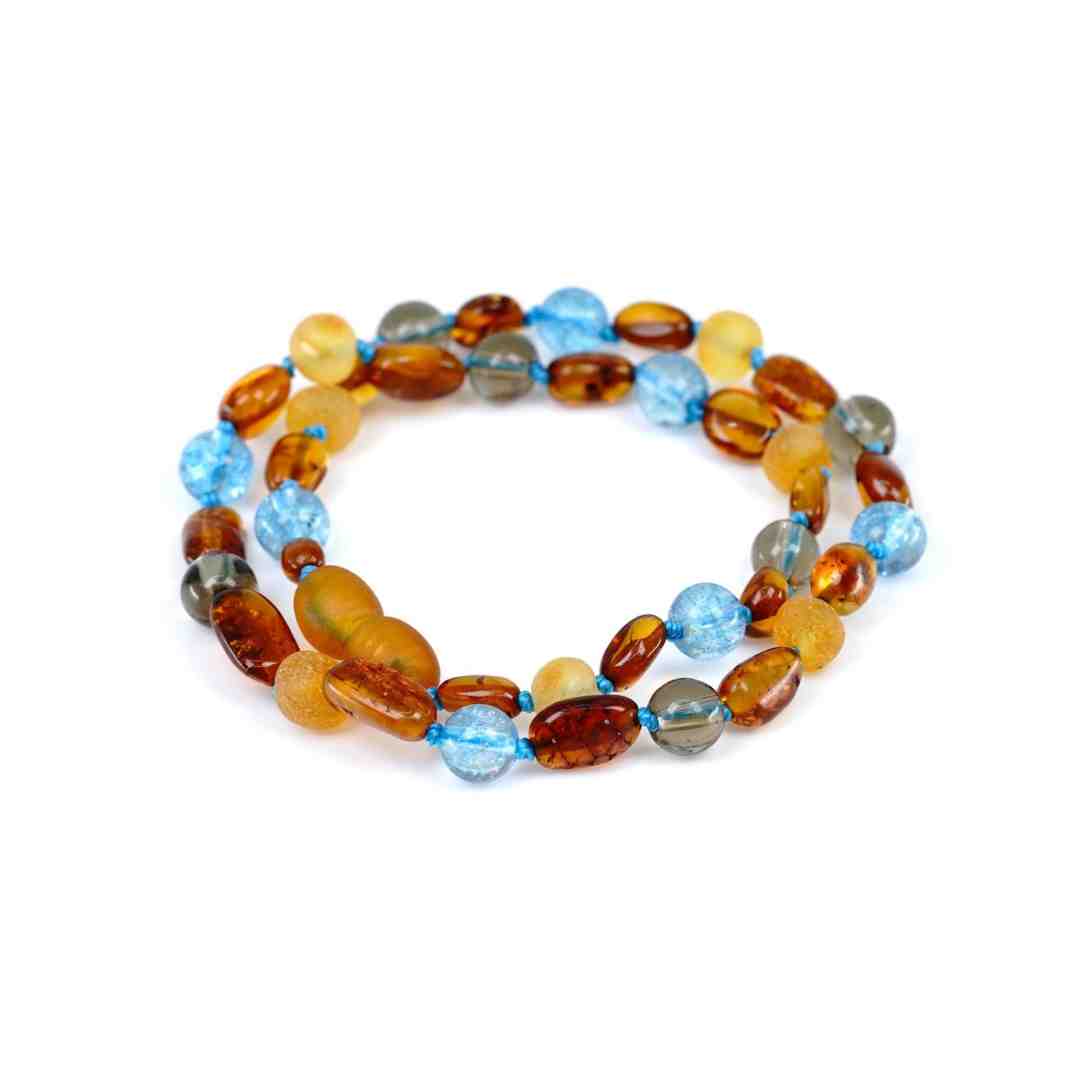
Natural amber teething jewelry has become one of the most searched and debated baby products of the past decade - and for good reason.
Before you read further, here is a quick summary of what you need to know:
| Question | Quick Answer |
|---|---|
| What is it? | Handcrafted jewelry made from genuine Baltic amber, worn by babies during teething |
| How is it supposed to work? | Succinic acid in the amber is claimed to absorb through the skin when warmed by body heat |
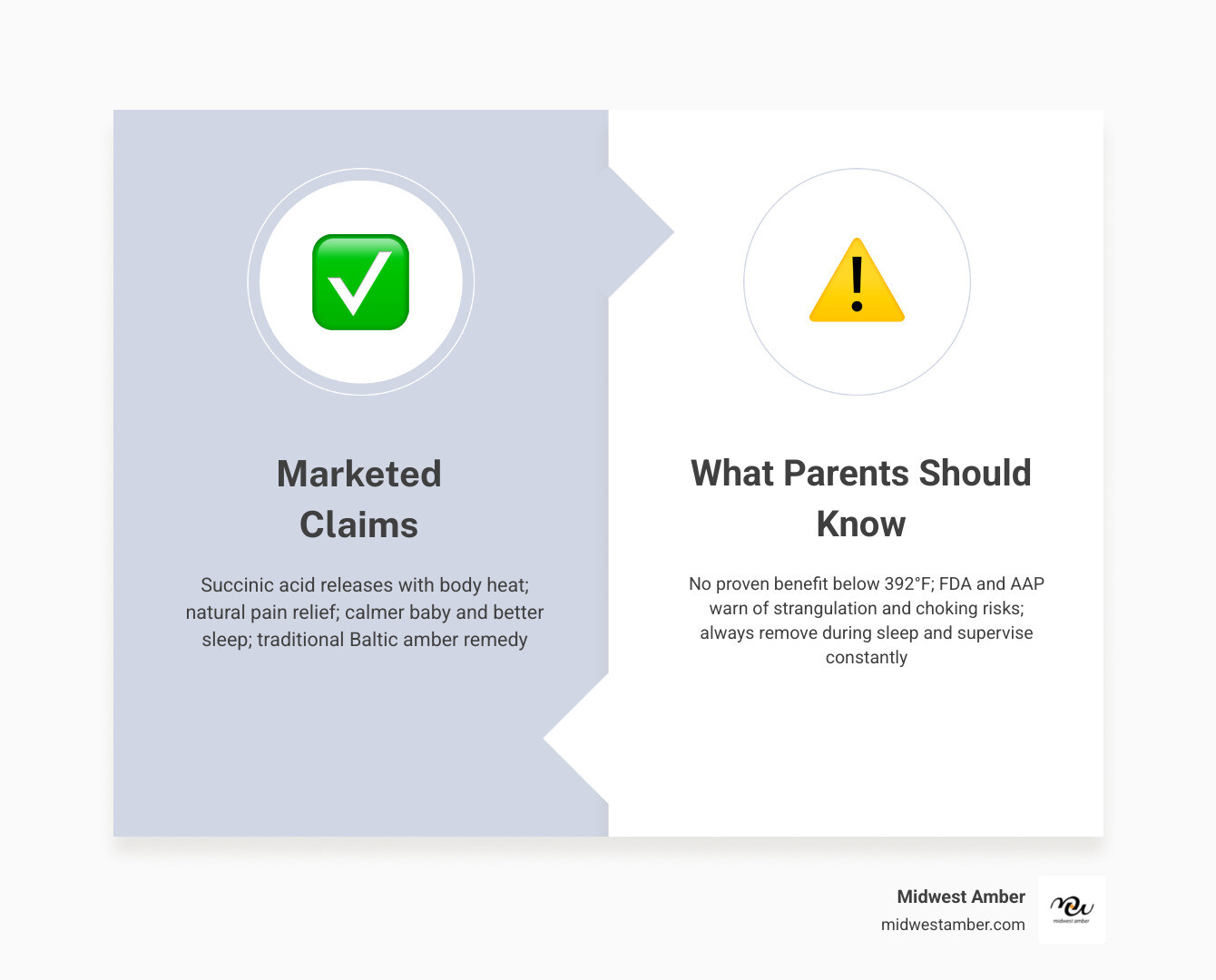
| Is there scientific proof it works? | No - research shows amber must reach 392 degrees F to release succinic acid, far above body temperature |
| Is it safe? | Health authorities including the FDA and AAP warn of strangulation and choking risks |
| What do experts recommend instead? | Chilled teethers, gum massage, and pediatric-approved pain relief |
| Should I buy it? | Read this guide fully before deciding - safety must come first |
Millions of parents worldwide have tried Baltic amber necklaces, bracelets, and anklets hoping to soothe a fussy, teething baby the natural way. The appeal is real: a beautiful, ancient material with a warm feel and deep heritage, marketed as a gentle alternative to medication.
But the picture is more complicated than most product pages let on.
The claimed benefits are largely anecdotal. The safety risks are documented and serious. And not all amber sold online is even genuine.
This guide covers all of it - honestly, clearly, and without hype - so you can make the best decision for your child.
I'm Gabriel Ciupek, President and owner of Midwest Amber, Inc., with years of hands-on experience sourcing, evaluating, and selling natural amber teething jewelry and handcrafted Baltic amber pieces from skilled Polish and Lithuanian artisans. In this guide, I'll walk you through everything - from how amber teething jewelry is made and marketed, to what the science actually says and how to stay safe.
For general background on amber, it helps to understand why Baltic material is so valued in jewelry and family heirlooms.
Basic natural amber teething jewelry glossary:
What Natural Amber Teething Jewelry Is and Why Parents Buy It
At its core, natural amber teething jewelry is wearable jewelry made from genuine Baltic amber, usually in the form of necklaces, bracelets, or anklets for babies and toddlers. Baltic amber is fossilized tree resin, often called succinite, that formed millions of years ago and is especially associated with Poland and Lithuania.
Parents are drawn to it for a few simple reasons:
- It looks natural and beautiful
- It feels lightweight and warm compared with stone or metal
- It is often presented as a traditional remedy
- Many families want non-medicinal options during teething
That mix of heritage, appearance, and hope is powerful. Teething can make everyone in the house tired, grumpy, and suspicious of sleep as a concept. So it is no surprise that parents look for gentle-feeling solutions.
What Is Baltic Amber and How Is It Used in Teething Jewelry?
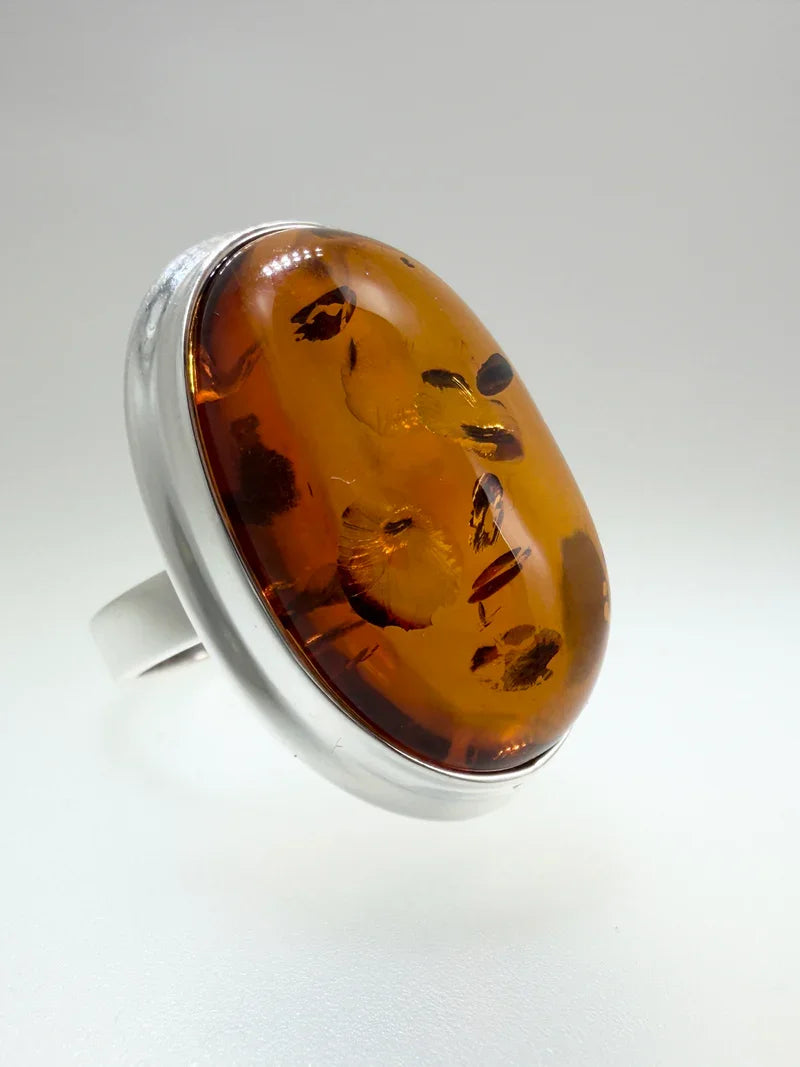
Baltic amber is not a gemstone in the usual sense. It is fossilized resin from ancient trees. Genuine Baltic amber is valued for its light weight, organic feel, and natural range of colors, including honey, cognac, lemon, butterscotch, and multicolor blends.
In teething jewelry, amber is shaped into smooth or raw beads and strung into:
- Necklaces
- Bracelets
- Anklets
These pieces are meant to be worn against the skin, not chewed. That point matters. Although many people call them "teething necklaces," the intended claim is skin contact, not biting.
At Midwest Amber, we focus on genuine, handcrafted Baltic amber sourced from Poland and Lithuania, with attention to authenticity and traditional craftsmanship.

How Amber Necklaces and Bracelets Are Supposed to Work
The common claim is that Baltic amber contains succinic acid and that body heat releases it from the beads, allowing it to absorb through the skin. From there, sellers often claim anti-inflammatory and pain-relieving effects.
You will also see claims that amber jewelry may help with:
- Fussiness
- Drooling
- Swollen gums
- Sleep disruption during teething
This explanation is repeated widely across product pages and parenting forums. It is the main reason amber jewelry is marketed as a "natural" teething aid.
Claimed Benefits of Natural Amber Teething Jewelry
Parents who support amber teething jewelry often report benefits such as:
- A calmer baby
- Less drooling
- Better naps or nighttime sleep
- Less gum irritation
- Less overall fussiness
These reports are anecdotal, meaning they come from personal experience rather than controlled clinical studies. Anecdotes can feel convincing, especially when you are living through a rough teething week. But they are not the same as scientific proof.
Natural Amber Teething Jewelry Comparison: Necklaces vs Bracelets vs Anklets
If parents are shopping for amber jewelry, the usual question is not just "Does it work?" but also "Which type should I even consider?"
Here is a simple comparison.
| Type | Main appeal | Main concern | Best-known use pattern |
|---|---|---|---|
| Necklace | Most traditional and most visible | Highest strangulation concern | Worn around neck against skin |
| Bracelet | Lower profile than necklace | Can still break or be mouthed | Worn on wrist |
| Anklet | Less noticeable to child | Can snag or still be accessed | Worn at ankle |
Amber Necklaces for Babies and Toddlers
Necklaces are the most recognized form of amber teething jewelry. Supporters often prefer them because they sit close to the skin and are easy to put on and remove.
People often look for features such as:
- Individually knotted beads
- A screw clasp
- Lightweight construction
- A close but not tight fit
Those features may improve product construction, but they do not eliminate the core safety concerns. A necklace still sits around a baby or toddler's neck, which is why health authorities have repeatedly warned against their use.
If you want more background on handmade construction, see our Handmade Amber Teething Necklace Guide.
Bracelets and Anklets as Lower-Profile Options
Bracelets and anklets are often viewed as lower-profile alternatives because they are not worn around the neck. Some parents prefer them for that reason alone.
Potential advantages:
- Less visually intrusive
- Often easier to size for wrist or ankle
- May feel less cumbersome to some children
Potential issues:
- Babies can still mouth them
- They can snag on clothing or blankets
- A broken strand can create loose beads
- Constant supervision is still necessary
So yes, bracelets and anklets may avoid one specific necklace-related risk, but they are not risk-free.
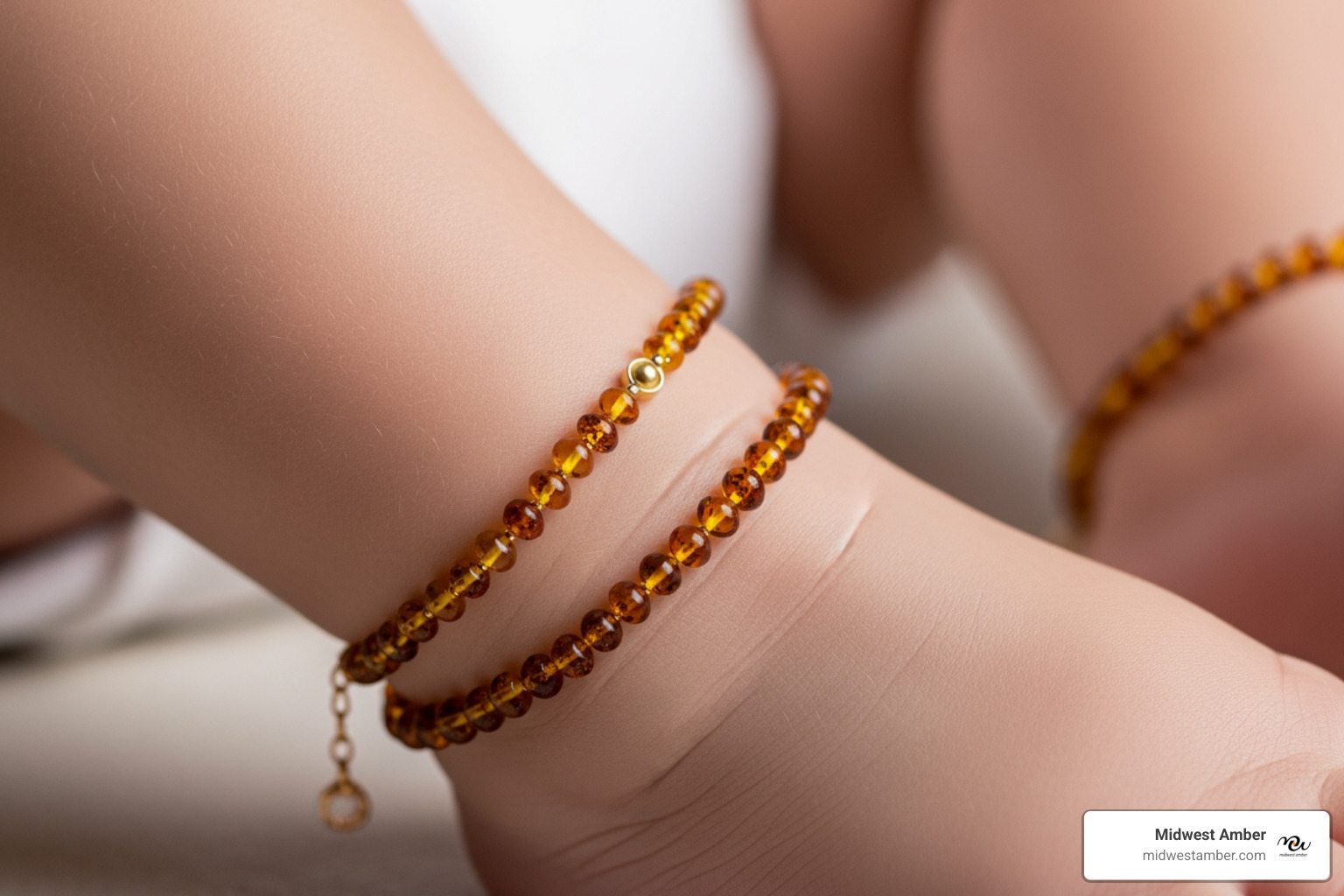
What to Look for in Genuine, Handcrafted Pieces
If you are buying genuine Baltic amber jewelry, look for craftsmanship and transparency first.
Key signs of quality include:
- Clear statement that the amber is genuine Baltic amber
- Sourcing from Poland or Lithuania
- Certified authenticity
- Hand-knotted string between beads
- Secure clasp construction
- Natural color variation rather than identical plastic-looking beads
- Honest descriptions that avoid impossible claims
Because authenticity matters, we also recommend reading our Raw Amber Teething Necklace guide and Beyond The Bite Finding The Perfect Teething Necklace For Your Little One.
Does Natural Amber Teething Jewelry Actually Work?
This is the big question, and the honest answer is simple: there is no strong scientific evidence showing that amber teething jewelry relieves teething pain.
That does not mean every parent who says it helped is being dishonest. It means the proposed mechanism has not been proven, and the available research does not support the common marketing story.
What the Research Says About Succinic Acid and Teething Relief
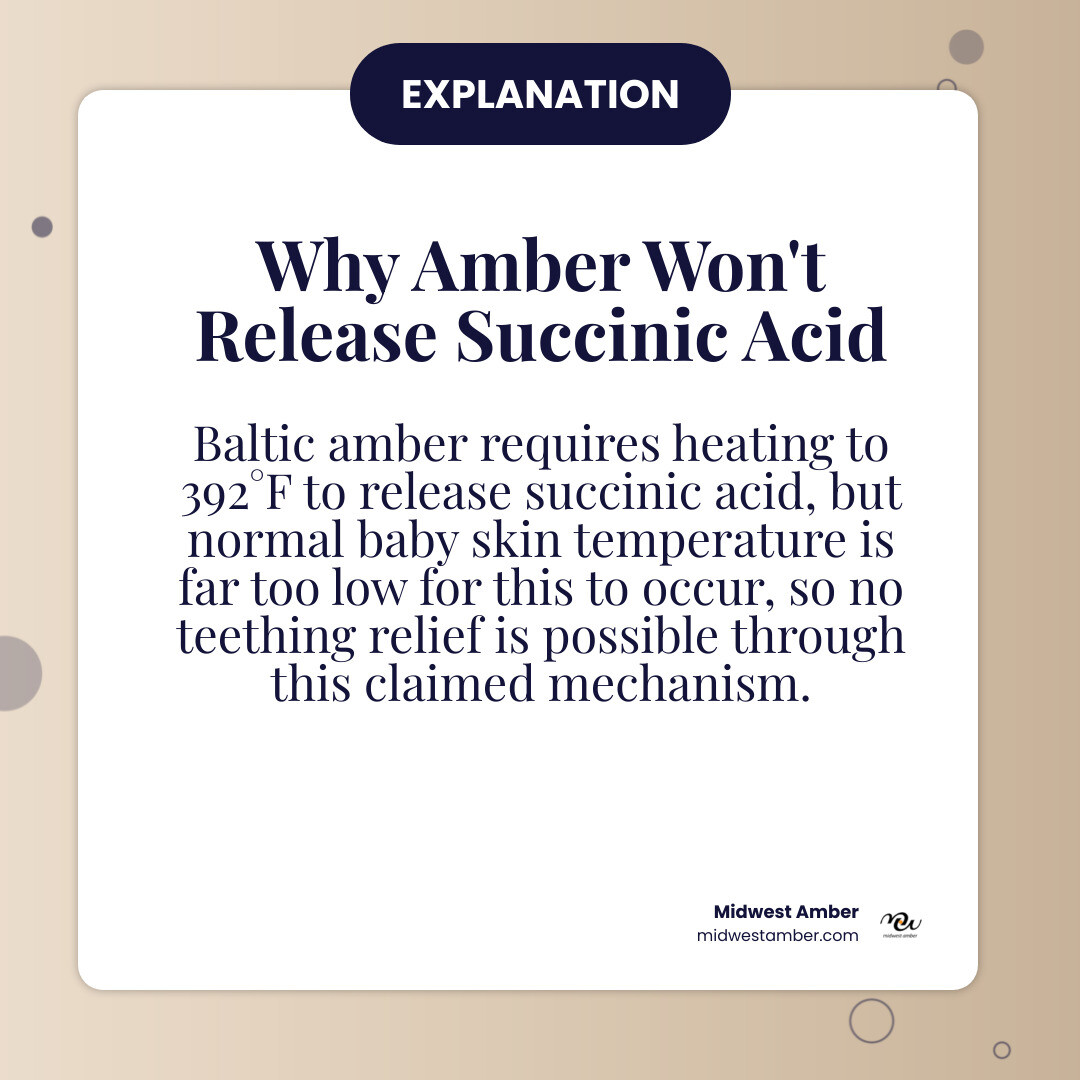
A key finding often cited in discussions about amber teething jewelry comes from Texas Children's Hospital research: Baltic amber would need to be heated to about 392 degrees Fahrenheit to release succinic acid in the way marketers suggest.
That temperature is obviously far above normal skin temperature. In other words, a baby wearing amber jewelry is not generating enough heat to trigger the claimed effect.
There is also no solid clinical evidence showing that succinic acid from amber beads is absorbed through intact skin in a way that reduces teething pain.
Why Testimonials and Science Often Conflict
So why do some parents swear by it?
A few reasons can explain the gap:
- Teething symptoms naturally come and go
- Babies often improve with time, regardless of intervention
- Parents may notice positive changes and connect them to the necklace
- Other comfort measures may be used at the same time
- Expectations can influence how we interpret results
That is not a criticism of parents. It is just how human beings work. When everyone is sleep-deprived, pattern recognition gets very creative.
What Health Authorities Say in 2026
As of 2026, major health authorities continue to warn about teething necklaces and bracelets.
- The FDA has warned about the safety risks of teething necklaces and bracelets marketed for teething relief.
- The American Academy of Pediatrics advises against infant neck jewelry because of strangulation and choking hazards.
- The CPSC has received multiple reports related to teething necklace safety concerns, while also stating these products do not fall within their jurisdiction.
That combination is important: lack of proven benefit plus known safety risk is exactly why these products remain controversial.
Safety Risks Parents Need to Know Before Buying
This is where the conversation gets serious. The largest concern with natural amber teething jewelry is not whether it looks nice or carries tradition. It is whether it can be worn safely by babies and toddlers.
The Biggest Hazards of Amber Teething Necklaces and Bracelets
The main risks include:
- Strangulation from necklaces
- Choking on loose beads if the strand breaks
- Entrapment during sleep, naps, or car seat use
- Mouthing or chewing that damages the jewelry
- Snagging on clothing, furniture, or crib parts
These risks increase when a child is:
- Sleeping
- Unattended
- In a crib, stroller, or car seat
- Old enough to pull on the jewelry
- At daycare or with multiple caregivers
Even products with knotted beads or breakaway-style claims should not be viewed as foolproof. Safety features can reduce certain failure points, but they do not make infant jewelry hazard-free.
Real-Life Incidents That Shaped the Warnings
Public warnings did not appear out of nowhere. Real incidents and child deaths have shaped the current guidance.
One widely discussed tragedy is shared in our article Baby Deacons Story The Real Risks Of Amber Teething Necklaces. Stories like this have played a major role in raising public awareness and pushing parents to look beyond marketing.
These incidents underline an uncomfortable truth: even a product bought with loving intentions can become dangerous in seconds.
How to Reduce Risk If Parents Still Choose Natural Amber Teething Jewelry
The safest option for infants is to avoid teething jewelry entirely. But if parents still choose to use it, risk reduction matters.
Follow these rules:
- Use only while the child is awake
- Supervise directly at all times
- Remove for naps
- Remove overnight
- Remove in car seats and strollers
- Never allow chewing or mouthing
- Check the strand and clasp regularly
- Stop using immediately if damaged
- Keep fit appropriate, never tight and never dangling
For more on risk awareness, read Beyond The Hype Unpacking The Risks Of Amber Teething Necklaces, Think Amber Teething Necklaces Are Safe Think Again, and Warning What Every Parent Needs To Know About Amber Teething Necklaces.
How to Choose Genuine Baltic Amber and Safer Alternatives for Teething Relief
If you love amber for its heritage and craftsmanship, authenticity matters. If your priority is teething relief, safer alternatives matter even more.
How to Identify Genuine Baltic Amber
Buying genuine Baltic amber can be tricky because the market includes imitation and altered material sold as if it were the real thing. We recommend looking for seller transparency rather than gimmicky home tests alone.
What helps:
- Certificate or clear authenticity statement
- Origin information tied to Poland or Lithuania
- Natural variation in color and shape
- Warm, lightweight feel
- Visible inclusions or organic imperfections
- Clear description of handcrafted construction
Use caution with popular internet "tests" like saltwater floating, static rubbing, or heating for scent. These can be misleading or damage the piece.
Most importantly, buy from a specialist who understands genuine amber and states exactly what they sell. At Midwest Amber, we focus on certified authenticity and ethically sourced Baltic amber from Poland and Lithuania.
Safer Alternatives for Teething Pain Relief
If the goal is helping a teething child feel better, safer options are available.
Common pediatrician-approved approaches include:
- Chilled teething rings, not frozen solid
- A cool, clean washcloth to chew
- Gentle gum massage with a clean finger
- Extra cuddling and comfort
- Age-appropriate pain relief recommended by a pediatrician
For medication, parents should follow pediatric guidance carefully. Acetaminophen or ibuprofen may be recommended in some cases depending on age and medical advice. Avoid using numbing gels unless your pediatrician specifically recommends them, because some products have safety concerns of their own.
When to Skip Jewelry and Call a Pediatrician
Not every cranky day is teething.
Call your pediatrician if your child has:
- A high fever
- Signs of dehydration
- Persistent diarrhea
- A widespread rash
- Ear-related symptoms
- Severe or prolonged pain
- Trouble feeding
- Unusual lethargy
Teething can cause irritability and gum discomfort, but it should not be used as the explanation for every symptom under the sun.
Frequently Asked Questions About Natural Amber Teething Jewelry
Is natural amber teething jewelry safe for babies to wear?
Not considered fully safe. Necklaces and bracelets can pose strangulation and choking risks, especially during sleep or when a child is unattended. If parents choose to use amber jewelry despite warnings, it should only be worn while the child is awake and under direct supervision.
Can genuine Baltic amber relieve teething pain?
It is claimed to help, but there is no strong scientific evidence proving that it does. The main theory involves succinic acid released by body heat, yet research cited in the teething necklace debate indicates amber would need to be heated to about 392 degrees Fahrenheit for that release. That is far above body temperature.
How can I tell if a Baltic amber necklace is authentic?
Look for:
- A trusted specialist seller
- Clear sourcing information
- Certified authenticity
- Genuine Baltic origin
- Handcrafted construction
- Natural color variation
- Honest product descriptions
For more detail, read our Raw Amber Teething Necklace article.
Conclusion
Natural amber teething jewelry sits at the intersection of beauty, tradition, and parental hope. Genuine Baltic amber is a remarkable natural material with deep Polish and Lithuanian heritage, and handcrafted amber jewelry can absolutely be appreciated for its authenticity and craftsmanship.
But when it comes to teething relief, the evidence is weak and the safety concerns are real.
Our balanced advice is this:
- Appreciate genuine Baltic amber for what it is
- Be skeptical of oversized medical claims
- Put child safety first every time
- Choose pediatrician-approved teething relief methods when comfort is the priority
If you want to learn more about handcrafted amber and shop with confidence, explore our buy amber jewelry guide. You can also continue reading with our Adult Teething Necklace Complete Guide and Amber Necklace Newborn Guide.
At Midwest Amber, we are proud to offer genuine, handcrafted Baltic amber jewelry backed by over 20 years of experience, certified authenticity, and sourcing rooted in Poland and Lithuania. If you choose amber, choose the real thing - and choose with open eyes.


Leave a comment
This site is protected by hCaptcha and the hCaptcha Privacy Policy and Terms of Service apply.